The Home Barista Boom and Why Coffee Equipment Sales Keep Breaking Records

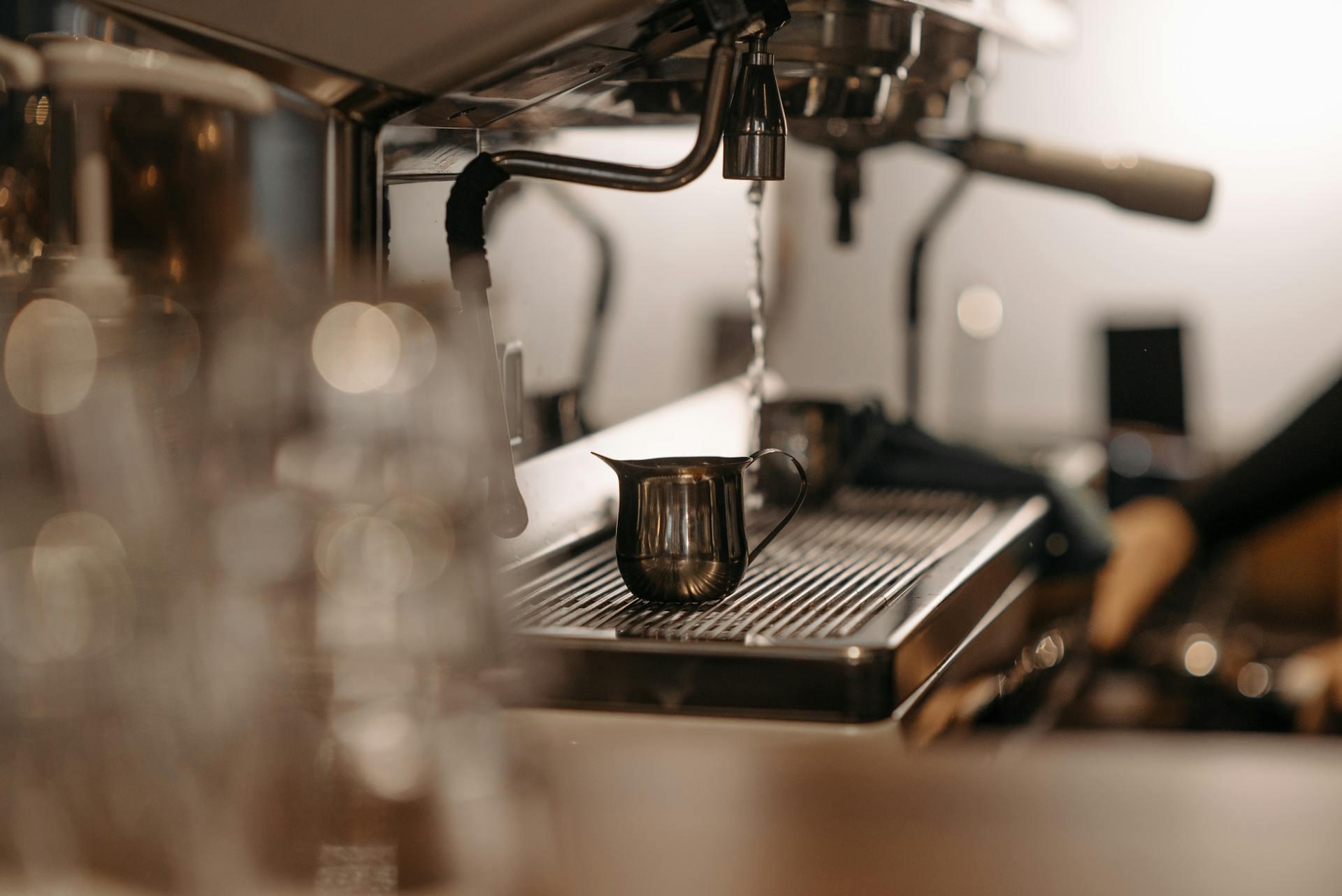

Five years ago, owning a proper espresso machine meant either spending eight hundred dollars on a serious unit or accepting that home coffee would never quite match what came out of a café. That assumption has collapsed. Coffee equipment is now one of the fastest-growing categories in household appliances, and the pace shows no sign of slowing. Manufacturers that used to focus almost entirely on commercial customers are now building their innovation roadmaps around home users. The home barista isn’t a niche anymore — it’s a mass-market identity, and the numbers behind the shift are striking.
What the Sales Data Actually Shows
The global coffee machine market was worth USD 6.56 billion in 2024 and is projected to reach USD 10.19 billion by 2033, growing at a compound rate of about 5% per year. Inside that broader category, home espresso machines specifically saw global sales volume exceed 18 million units in 2024, with North America accounting for roughly 5.1 million of those. The numbers reflect a genuine behavioural shift rather than a temporary spike — according to the U.S. National Coffee Association, 71% of past-day coffee consumption happened at home in early 2025, up from 63% in 2020.
The buyer profile has changed, too. A few patterns stand out:
- Millennial and Gen Z consumers accounted for 48% of espresso machine purchases in 2024.
- Roughly 62% of espresso buyers cited “recreating café-style beverages” as a primary motivation.
- Household spending on coffee appliances rose 29% from 2021 to 2024, tracking closely with hybrid work adoption.
- Influencer marketing campaigns for home espresso brands convert at up to 60% higher rates than traditional appliance categories.
- Automatic machines with integrated grinders made up about 41% of automatic units sold in 2024.
The pattern is consistent across regions. People aren’t buying these machines because they need coffee — they’re buying them because the daily ritual has become something they want to own.
The Forces Driving Record Sales
Three factors keep showing up in the analysis. The first is hybrid work. When the morning commute disappeared for millions of office workers, the daily café visit went with it, and the household became the default place to make coffee. The second is social media. Espresso videos on TikTok and Instagram converted what used to be a quiet morning routine into an aspirational, performative skill. The third is the equipment itself becoming better and more affordable simultaneously.
|
Year |
Notable Launch |
What It Signalled |
|
2020 |
Breville acquires Baratza (grinders) |
Premium consolidation begins |
|
2022 |
Breville acquires LELIT |
Push into the prosumer market |
|
2024 |
De’Longhi takes 41% stake in La Marzocco |
Mass-market firm buys cult brand |
|
Feb 2025 |
De’Longhi Rivelia launches |
Dual-bean automatic for home users |
|
April 2025 |
Fellow Espresso Series 1 |
Specialty roaster brand enters hardware |
|
Aug 2025 |
Breville Oracle Dual Boiler |
Auto Dial-In, Wi-Fi, 15 preset drinks |
|
Dec 2025 |
ecozy Brezzano Elite 4-in-1 |
Smart features at entry-level pricing |
|
April 2026 |
Brooklyn Steel Co. Talos 20 |
Cookware brands enter coffee hardware |

Major appliance brands are buying specialty manufacturers; specialty brands are launching their own machines. The category is no longer a backwater — it’s where the household appliance industry’s biggest moves are happening.
How Spending on Home Rituals Has Broadened
The home barista boom doesn’t sit in isolation. It belongs to a broader pattern of household spending shifting toward at-home rituals and entertainment categories that used to live outside the home. Hybrid workers replaced their café visits with home espresso setups, and they’ve replaced other casual leisure spending in similar ways — premium home cinema, smart cooking equipment, hobbyist gardening gear, and online entertainment platforms have all seen disproportionate growth in the same window. Sites like https://spin.city/en reflect the same underlying logic from a different angle: licensed online platforms that bring slot games, table games, and structured promotions into the same home environment hosting the morning espresso pour. The common thread isn’t the specific category — it’s the willingness to invest in the home experience itself.
What’s Coming Next
The next wave of home espresso products is likely to focus on three things: smart connectivity that takes the guesswork out of dialling in shots, integrated grinders that eliminate the second-purchase decision, and energy-efficient designs that respond to consumer pressure on appliance running costs. Cloud-saved brewing profiles, app-controlled steam wands, and AI-assisted recipe matching are already shipping in flagship machines, with the trickle-down to mid-range units typically taking about two years. The growth story isn’t over — the entry of specialty roasters and even cookware brands into hardware suggests a second wave is just starting. Whatever the next five years bring, the assumption that real espresso belongs in a café is gone for good.