Are Sawdust Briquettes a Good Choice for UK Home Heating?


As energy bills climb and winters bite, many UK households are rethinking how they heat their homes. If you own a wood-burning stove or multi-fuel stove, you may have come across sawdust briquettes as a tidy, efficient alternative to logs. These compact blocks of compressed wood are gaining a loyal following for good reason. They burn hot, last longer than you might expect, and store neatly in any spare corner. This guide looks at how they work, how they compare to firewood, and whether they make sense for your winter heating in the UK.
What Are Sawdust Briquettes and How Do They Work?
Sawdust briquettes are made by taking sawdust, a natural by-product of the sawmill industry, and compressing it under high pressure. No glue or chemical binders are needed. The natural lignin in the wood acts as the bond, holding each briquette together as a dense, solid block.
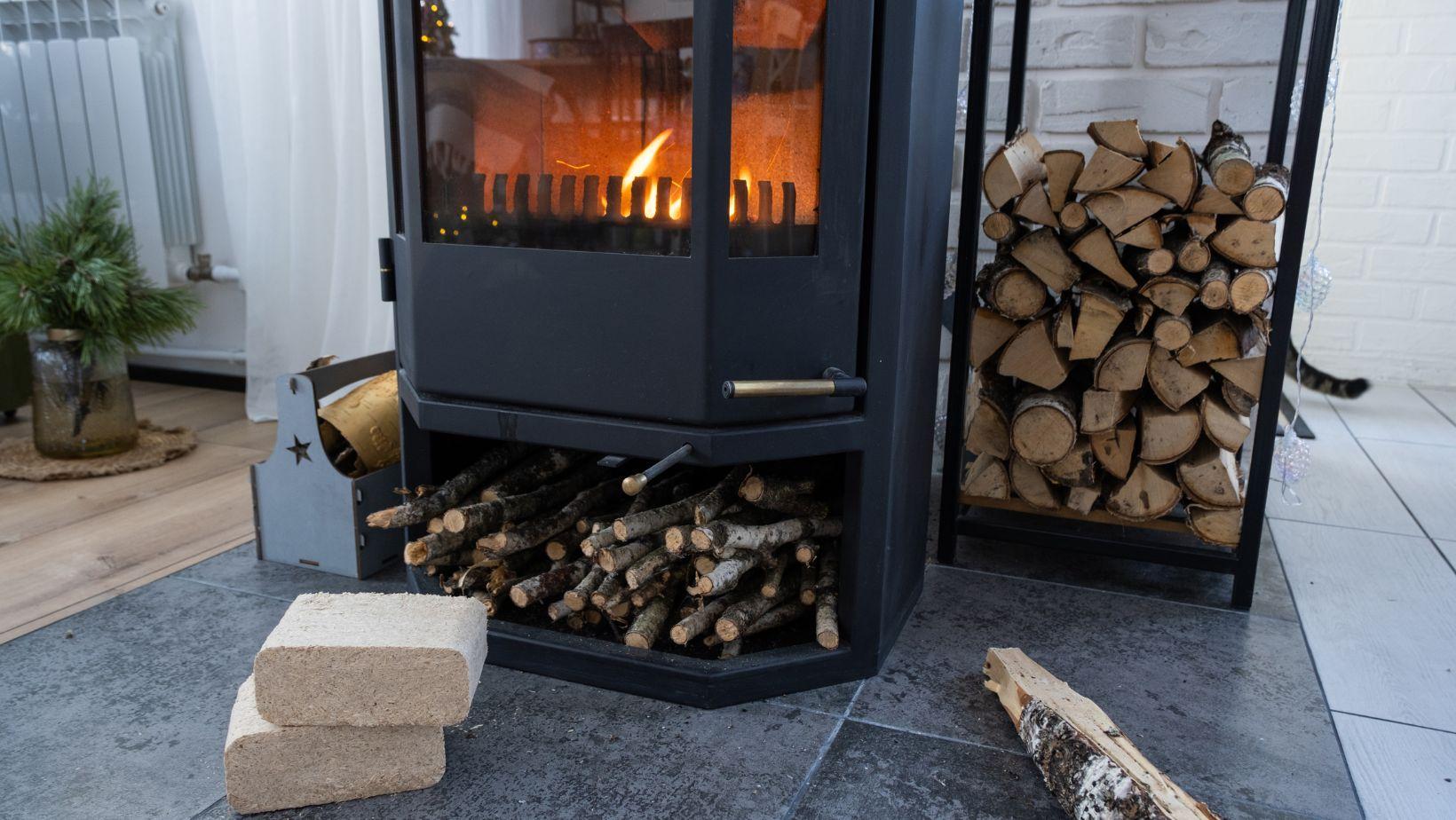
The result is a fuel that is far drier and more uniform than ordinary logs. Because they are squeezed so tightly, wood briquettes pack more energy into a smaller space. They light easily, burn cleanly, and leave very little ash behind. Many varieties have a neat brick shape, so they sit flat in your stove instead of rolling around.
Why UK Households Are Switching to Briquette Fuels
Solid fuel heating has always been popular in Britain, but rising UK energy costs have pushed more people to look for value. Briquettes tick several boxes at once.
- Storage is simple. They come in stackable boxes that fit in a cupboard, shed, or under the stairs.
- They are clean to handle. No bark, no bugs, and no mess compared to a pile of logs.
- They burn consistently. Every briquette has the same moisture content and density, so you get predictable results each time.
For renters and homeowners with limited space, this convenience matters. You no longer need a log store taking up half the garden. Add in the appeal of a sustainable fuel made from recycled waste wood, and it is easy to see why interest keeps growing.
Heat Output and Burn Time of Sawdust Briquettes
This is where briquettes really earn their place. A quality sawdust briquette typically offers a calorific value of around 5.1 kWh/kg, which is strong heat output for a wood fuel. That high energy density comes straight from the compression process.
Moisture is the other key factor. Seasoned firewood often sits around 20% moisture, but good briquettes have a moisture content under 9%. Drier fuel means more of the energy heats your room rather than burning off as steam. It also means cleaner combustion and less soot in your flue.
Burn time is impressive too. Depending on your stove and air settings, a single briquette can burn for up to 2 hours. That makes them practical for an evening by the fire without constant refuelling. Better energy efficiency, longer burns, and reliable heat add up to genuine fuel economy.
Sawdust Briquettes vs Traditional Firewood
Firewood has charm, but it comes with trade-offs. Logs vary in size, dryness, and quality, which makes your fire harder to control. Briquettes remove much of that guesswork.
Here is how they stack up:
- Consistency: Briquettes are uniform; logs are not.
- Moisture: Briquettes are far drier than most seasoned wood, so they release more usable heat.
- Storage: Boxes of briquettes need a fraction of the space a log pile demands.
- Cleanliness: No mud, bark, or insects coming into the house.
- Ash: Briquettes leave very little residue to clean out.
As a kiln-dried wood alternative, briquettes deliver similar warmth with less hassle. Many people use both, lighting a fire with a few logs and switching to briquettes for a long, steady burn through the evening.
Best Ways to Use Briquettes in Stoves and Fireplaces
Briquettes suit almost any solid fuel appliance, including a wood-burning stove, a multi-fuel stove, an open fireplace, or a sheltered fire pit. Getting the most from them comes down to good fire-lighting technique.
The top-down method works brilliantly:
- Open your stove’s air vents fully, following the manufacturer’s instructions.
- Place the briquettes at the bottom of the firebox.
- Add kindling and a natural firelighter on top.
- Light the firelighter and let the flame work its way down into the briquettes.
- Once the fire is burning steadily, reduce the airflow to control the heat and extend the burn time.
This approach produces less smoke and a cleaner start. Avoid overloading the firebox, as briquettes expand slightly as they heat. A small number burning well will give more warmth than a packed grate struggling for air.

Cost and Environmental Benefits in the UK
Briquettes make a strong case on both cost and sustainability. Because they burn longer and hotter, you often use less fuel to heat the same room, which helps your household budget through the colder months.
On the environmental side, the benefits are clear. Briquettes are made from sawmill waste, so they support sustainable forestry by giving a second life to material that might otherwise be discarded. As a renewable heating option, well-managed wood fuel forms part of a low-carbon cycle, contributing to carbon emissions reduction when compared with fossil fuels.
There is also the legal side to consider. In England, many towns and cities fall within smoke control areas, where DEFRA regulations restrict what you can burn. Look for fuel that carries the Ready to Burn certification. This scheme confirms the fuel has been independently tested and meets the required standards for low moisture and clean burning. Choosing certified eco-friendly heating products keeps you compliant and protects local air quality.
Choosing Reliable Solid Fuel Suppliers
The quality of your briquettes depends heavily on the supplier you pick. A trustworthy seller will be open about moisture content, calorific value, and certification. Several UK suppliers now specialise in compressed wood fuels, ranging from large biomass fuel distributors to dedicated firewood merchants.
Lektowood Fuels is one such UK-based supplier, offering Ready to Burn certified products made from hardwood sawdust with no chemical additives. When comparing options, it helps to read the technical specifications and check that the fuel suits your particular appliance. You can review the details of these sawdust briquettes to see exactly what to look for in a quality product.
Before you buy, keep these checks in mind:
- Confirm the Ready to Burn certificate number is listed.
- Check the stated moisture content and calorific value.
- Make sure the briquettes are compatible with your stove type.
- Store them in a dry, ventilated space once the box is opened.
So, are sawdust briquettes a good choice for UK home heating? For most households, the answer is yes. They offer dependable heat output, long burn times, easy storage, and real environmental credentials. Paired with a decent stove and a reliable supplier, they can keep your home warm and your costs in check all winter long.