
Eye exam timing for adults: what to know before you put it off again

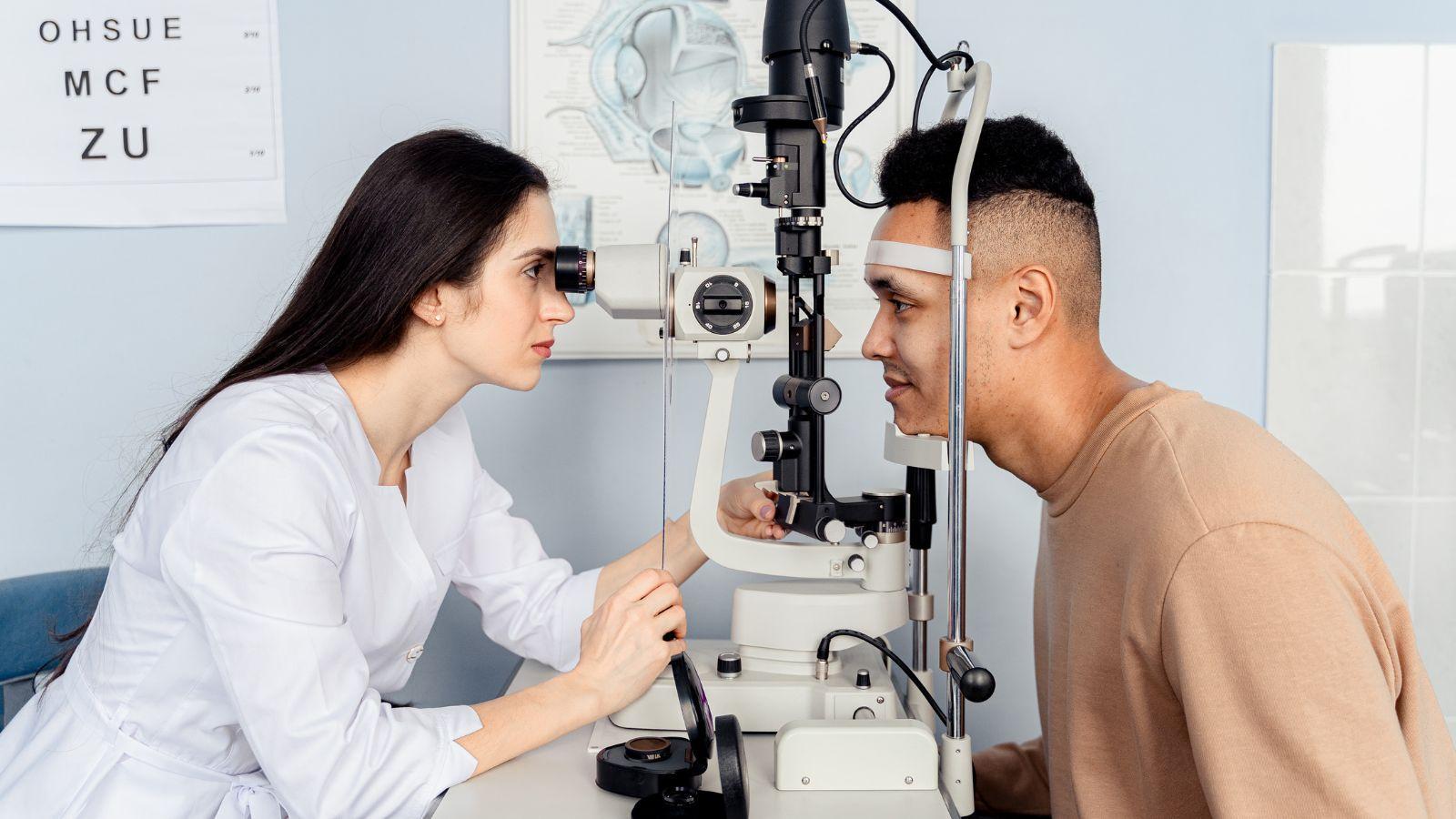

Dr. James C. Loden, from Loden Vision Centers, explains that many adults wait to schedule an eye exam until something feels obviously wrong. That is understandable, but it can also mean people miss the quieter signs that their eyes need attention.
Most of us are pretty good at noticing big vision changes. If road signs suddenly look blurry or reading becomes frustrating overnight, we know something is off. The tricky part is that eye changes are not always sudden. They can show up in small ways that are easy to blame on screens, tiredness, aging, or a busy week.
That is why eye exam timing matters. It is not only about getting a new glasses prescription. It is about knowing what is normal for your eyes, what has changed, and whether you need a different follow-up schedule than someone else your age.
Why is eye care easy to delay
Eye exams are easy to put off because they often do not feel urgent.
You may still be able to drive, work, read your phone, and get through your day. Maybe you squint a little more. Maybe you turn up the brightness on your laptop. Maybe you avoid driving at night because headlights bother you. Those changes can feel small enough to ignore.
There is also the practical side. Adults have full calendars. Appointments take time. Insurance can be confusing. And if you already wear glasses or contacts, it is easy to think, “I can still see well enough.”
But “well enough” is not the same as “nothing has changed.”
The CDC notes that some eye diseases can go unnoticed for a long time because they may not cause symptoms in the early stages. A comprehensive dilated eye exam can help find certain eye diseases early, when treatment may be more effective.
That does not mean everyone needs to worry about worst-case scenarios. It means that waiting for a dramatic symptom is not the best eye care plan.
A routine exam gives you a baseline. Your eye doctor can compare future changes against what your eyes looked like before. That can be especially helpful as you get older or if you develop health conditions that affect your eyes.
What a regular exam can check besides your prescription
Many people think of an eye exam as the appointment where they find out whether their glasses need updating. That is one part of it, but it is not the whole picture.
A regular eye exam may check things like:
- How clearly can you see at different distances
- Whether your prescription has changed
- How well your eyes work together
- Eye pressure
- The front surface of the eye
- The lens inside the eye
- The retina and optic nerve, especially if dilation is part of the exam
That broader check matters because some eye conditions do not announce themselves right away.
Glaucoma is a good example. The National Eye Institute describes glaucoma as a group of diseases that damage the optic nerve. Early symptoms are often absent, and later symptoms can include loss of side vision or blind spots. Because those early signs can be hard to notice, a routine exam can be important even when vision seems fine.
Eye exams can also help explain everyday annoyances that people often normalize. Dryness, headaches, glare, trouble reading in low light, and tired eyes may have simple causes, but they are still worth discussing. Sometimes the answer is a prescription update. Sometimes it is dry eye. Sometimes it is cataract development, medication effects, screen habits, or another issue that needs a closer look.
The point is not to diagnose yourself from every little symptom. It is to bring up patterns that keep happening.
If your eyes feel different from how they used to, that information is useful.
When adults may need exams more often
There is no single eye exam schedule that fits every adult. Your timing depends on your age, your health, your symptoms, your family history, and what your eye doctor finds during an exam.
The American Academy of Ophthalmology recommends a baseline comprehensive eye exam around age 40 for adults without symptoms or known risk factors. This is around the time when early signs of eye disease and age-related vision changes may begin to appear. For adults 65 and older, the Academy recommends a complete eye exam every one to two years, even if there are no symptoms.
Some adults may need exams more often than that. This can include people who have:
- Diabetes
- A family history of glaucoma
- High blood pressure
- Previous eye disease or eye surgery
- Eye injuries
- Long-term use of medications that may affect the eyes
- New or worsening vision symptoms
- Contact lens use that requires regular monitoring
Diabetes is one of the clearest examples. The CDC recommends yearly comprehensive vision exams, including dilated eye exams, for people with diabetes. Diabetes can raise the risk of several eye problems, and some may not cause obvious symptoms right away.
Symptoms also matter. You should not wait for a routine appointment if you notice sudden vision loss, flashes of light, new or increasing floaters, eye pain, double vision, or a major change in one eye. Those situations deserve prompt medical attention.

For less urgent changes, the best move is often simpler: call and ask whether you should be seen sooner.
It is better to ask a basic question than to spend months guessing.
How to make eye care part of your normal health routine
The easiest way to stop putting off eye care is to stop treating it like an emergency-only task.
Think of it like dental care or an annual physical. You may not need the same schedule as everyone else, but you do need to know what schedule makes sense for you.
Start with a few simple questions:
- When was your last comprehensive eye exam?
- Do you know whether you were dilated?
- Has your prescription changed recently?
- Do you have diabetes, high blood pressure, or a family history of glaucoma?
- Are you noticing more glare, dryness, headaches, or trouble reading?
- Do your eyes affect your driving, work, or daily comfort?
If you cannot remember your last exam, that is a useful answer by itself. It may be time to schedule one and get a clearer baseline.
It also helps to write down symptoms before your visit. Small details can matter. For example, “my eyes feel tired after ten minutes of reading” is more helpful than “my eyes feel weird.” “Headlights bother me more than they used to” is more useful than “night driving is annoying.”
For adults managing dry eye symptoms, cataract concerns, glaucoma monitoring, or questions about whether vision correction is still working well, a comprehensive eye care practice can help connect those concerns to the right type of exam or follow-up. The uploaded company facts page describes the Nashville-area practice as offering routine eye exams, dry eye treatment, glaucoma treatment, retina care, cataract care, LASIK, PRK, SMILE, EVO ICL, and other vision correction services.
Eye exams do not have to be scary or complicated. Most of the time, they are simply a way to get better information.
And when it comes to your vision, better information is worth having before something starts interfering with your life.