
The Beginner Guitarist’s Introduction to Pedals and When to Start Exploring Them

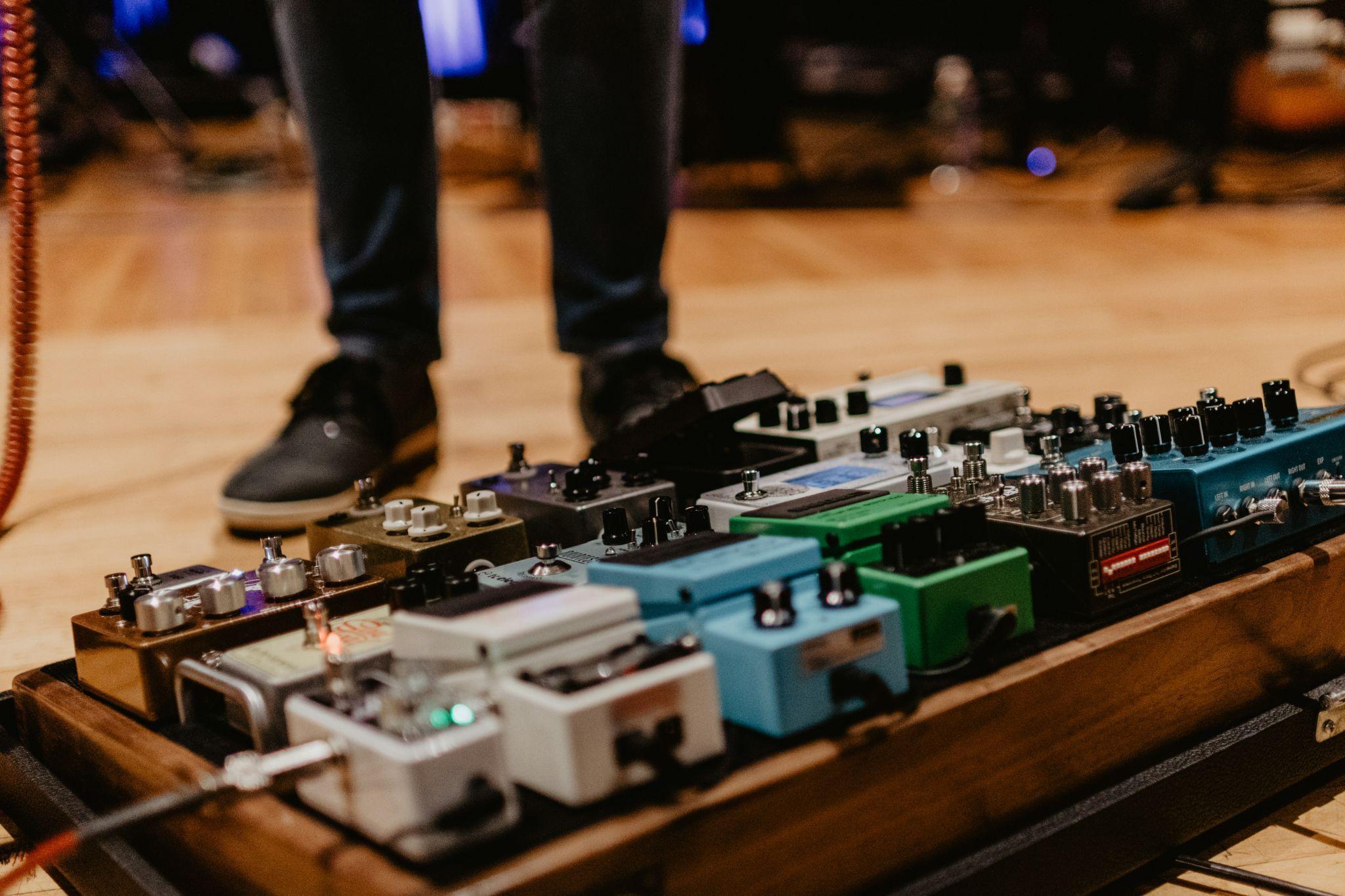

One of the most fascinating aspects of the guitar industry is the effects pedal, which is also among the most expensive purchases for novices. It is a common and reasonable mistake for novices to choose guitar pedals before they have mastered the foundations of guitar. However, knowing why timing is important when choosing guitar pedals for beginners makes the eventual exploration of effects much more productive than jumping in before the foundations are set.
What Pedals Actually Do
Situated between the guitar and the amplifier in the signal chain, an effects pedal modifies the sound before it gets to the speaker. A delay pedal produces repeating echoes of the played note; a chorus pedal thickens the sound by adding a slightly detuned copy of the signal; a distortion or overdrive pedal adds harmonic content that creates the driven, saturated tones associated with rock and blues; and a reverb pedal simulates the acoustic character of a space. Timing the pedal entry is essential, as pedal effects can either enhance or completely obscure the music.
Why Fundamentals Come First
Playing clean, without effects, is one of the most effective ways to progress quickly. When nothing is added to your signal, everything is exposed: whether your fretting hand is properly pressing down, whether your picking is consistent, and whether your timing is correct. Effects such as distortion and reverb add texture and richness that might fill in those gaps without you noticing. That is not a reason to avoid effects forever, but rather to spend some time playing without them first. Clean playing provides honest criticism on areas for improvement. Without that input, technique improves considerably more slowly, and the gaps remain concealed until they become more difficult to close.
The Pedals Worth Understanding Early
If you decide to start experimenting with effects, start with the ones that are most relevant to the sounds you are actually attempting to create. The most practical early addition for rock and blues musicians is a basic overdrive pedal, which adds a little warmth and grit to your clean tone rather than producing extreme distortion. Although it is not an effect, a tuner pedal should come first in any pedal setup since it keeps everything in tune before the signal reaches anything else. One of the few effects that tends to sound nice at any stage of playing is reverb, which, when applied sparingly, lends warmth to nearly any tone.
When the Time Is Right
When you can play anything cleanly, in time, and with a steady tone on a clean signal, that’s the ideal time to begin employing effects pedals. At this stage, an effect doesn’t disguise what isn’t working; instead, it strengthens what is. Instead of just leaving everything running constantly, you begin to use pedals purposefully, choosing when to turn one on, how much effect to apply, and ensuring they truly add to the music.
Building a Pedalboard With Purpose
Build a pedalboard gradually when you’re ready. Add one pedal at a time, and spend enough time getting to know each one to fully understand its functions, including how it sounds on its own, how it works with your amplifier, and how it fits into the chain. You will always get better results with a limited collection of pedals you are familiar with than with a wide variety you have never thoroughly explored.

Why the Order of Your Pedals Matters
Your sound is influenced by the order in which your pedals are linked. Dynamics pedals, such as compressors and overdrives, typically function best early in the chain, followed by modulation effects, such as flanger and chorus, and time-based effects, such as reverb and delay, near the end. It’s fascinating to play with alternative orders because they are conventions rather than set laws. However, knowing the typical order beforehand provides a helpful reference point when you choose to deviate from it.
Pedals as a Creative Language, Not a Shortcut
Rather than making up for what you can’t yet play, the most satisfying relationship with effects pedals is one in which they increase what you can express. It takes patience to establish that relationship; first, the technical foundation must be built, and effects should be added only when they fulfil a musical purpose rather than a technical one. That sequence ensures you can employ effects with real intent, and whose sound, no matter how processed, is always evidently a representation of something musical rather than a diversion from its absence.
What's Your Reaction?