
USDT TRC20 to INR Explained: What Happens Between Your Crypto Wallet and Rupees


Crypto conversion terminology can make a relatively simple objective sound complicated. Someone has USDT in a wallet, wants to know its value in Indian rupees, and encounters terms such as TRC20, network fee, spread, wallet address, liquidity, and confirmation along the way.
The key is to separate two processes that are often discussed together. The first is moving USDT through a blockchain network. The second is converting the economic value of USDT into INR. TRC20 relates primarily to the first process, while the USDT/INR exchange rate belongs to the second.
Understanding that distinction makes it easier to interpret conversion tools, compare costs, and avoid confusing a low-cost token transfer with a favorable currency conversion.
What USDT TRC20 Actually Means
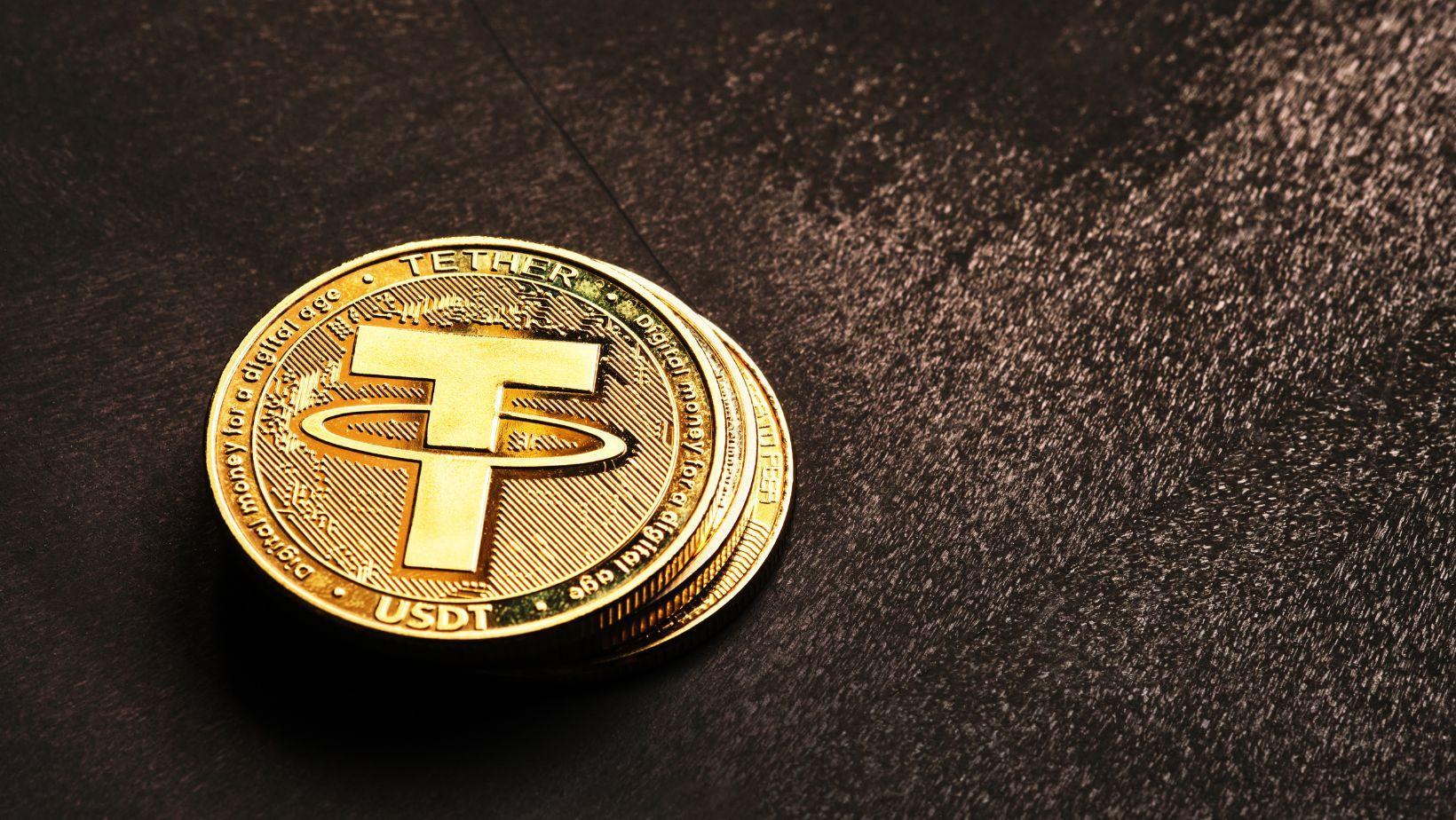
USDT is a stablecoin issued by Tether and designed to maintain a value referenced to the US dollar. The same asset can operate across different blockchain environments, which is why a wallet or digital platform may ask for a network before allowing a transfer.
TRC20 refers to the token standard used on the TRON blockchain. Therefore, a phrase such as USDT TRC20 to INR combines two separate pieces of the transaction: TRC20 identifies how the USDT may be transferred, while INR identifies the fiat currency in which its value is eventually being measured or realized.
This difference has practical consequences. A currency calculator can estimate INR value without moving any tokens at all. A real transaction may first require USDT to travel between compatible wallets before a separate conversion takes place.
USDT Is the Asset; TRC20 Describes Its Technical Environment
A useful analogy is to separate the money from the payment rail.
When someone sends conventional money through a banking system, the currency and the transfer mechanism are not the same thing. USDT and its blockchain network should be understood in a similar way, although the underlying technology is different.
Selecting TRC20 does not establish the INR exchange rate. It determines the blockchain environment used for that particular USDT transfer.
This also means that two services supporting USDT do not automatically support every possible USDT network. Network compatibility needs to be checked explicitly.
If the sender intends to transfer TRC20 USDT, the receiving service needs to support the corresponding deposit route. The destination information should be taken directly from the receiving wallet or service rather than assumed from a previous transaction.
Network Selection Deserves More Attention Than It Gets
A conversion calculator is reversible. Entering the wrong number can simply be corrected.
Blockchain transactions require more care.
Before initiating a transfer, the sender should verify the selected asset, network, destination information, and any requirements shown by the receiving service. Copy-and-paste is safer than manually typing a long blockchain address, but the pasted value should still be checked.
For a first transfer to an unfamiliar destination, a small test transaction can sometimes provide an additional verification step when the costs and platform rules make that practical.
The broader lesson is that network selection and exchange-rate comparison are different risk categories. One concerns whether digital assets move through the intended infrastructure. The other concerns their financial value once converted.
How a USDT Balance Becomes an INR Estimate
Once the technical network question is separated from pricing, the conversion itself becomes easier to understand.
At its simplest:
USDT amount × quoted USDT/INR rate = estimated INR value
Assume, purely for illustration, that a converter displayed ₹90 for one USDT. A balance of 200 USDT would then have an indicative value of ₹18,000.
That figure is useful for estimation, but it is not necessarily the final transaction outcome.
The displayed rate may be informational rather than executable. A real conversion can be affected by the available market price, spread, explicit transaction charges, and liquidity.
Why USD/INR Does Not Guarantee the USDT/INR Rate
Because USDT is designed around a US-dollar reference, checking USD/INR provides a reasonable benchmark for understanding its approximate rupee value.
It does not create a guaranteed USDT/INR transaction price.
Traditional foreign exchange and crypto markets use different infrastructure and can have different participants and liquidity conditions. USDT itself trades on digital-asset markets, where supply and demand influence the executable price.
This is why a converter should ideally make clear whether its number represents a reference rate, market price, or executable quote.
Without that context, a precise-looking number can imply certainty that the underlying market does not provide.
Transfer Fees and Conversion Costs Should Be Separated
The distinction between network and conversion also helps clarify fees.
A network or withdrawal cost can arise when USDT is moved. A conversion or trading cost can arise when USDT is exchanged for another asset or currency.
They should not be treated as the same charge.
For example, imagine that USDT needs to be moved from Wallet A to a compatible service before conversion. The first stage affects how much USDT arrives. The second determines how much INR value can be obtained from the amount that arrived.
A practical calculation can therefore follow this sequence:
- Record the original USDT balance and confirm the required network.
- Determine how much USDT should arrive after applicable transfer costs.
- Check the executable USDT/INR rate at the destination.
- Account for any explicit conversion charge or pricing spread.
- Compare the resulting net INR value with the original USDT amount.
This produces a more realistic picture than looking at either the network cost or exchange rate alone.
Spread Can Hide Inside an Attractive Quote
Explicit charges are not the only source of conversion cost.
Financial markets generally have different prices available to buyers and sellers. The gap is known as the bid-ask spread. Conversion services can also incorporate a pricing margin into the rate offered to customers.
This means a service advertising a low commission does not automatically produce the strongest conversion outcome.
The better comparison is the effective rate.
Suppose 500 USDT ultimately produces ₹44,000 after relevant conversion costs in a hypothetical example. Dividing ₹44,000 by 500 gives an effective rate of ₹88 per USDT.
Another route can then be evaluated using the same calculation. Comparing net results makes differences in fee structures easier to identify.
Transaction Size Can Affect the Available Price
Simple calculators assume that every unit can be converted at the same displayed rate. Real markets depend on liquidity.
An order book contains quantities available at different prices. A small transaction may be filled near the best quoted level. A sufficiently large transaction can consume the quantity available there and continue at less favorable prices.
The resulting difference is associated with slippage.
This is why market depth becomes more important as transaction size grows. A headline price may accurately describe a small quantity without representing the average price available for a much larger conversion.
For everyday estimates, a simple converter remains useful. For an actual transaction, executable pricing provides more relevant information.
Confirmation Status Is Not the Same as Conversion Status
Another common source of confusion is the word “pending.”
When USDT moves over a blockchain, the transaction may need network confirmation before a receiving service treats the deposit as available. That stage concerns the transfer.
Conversion has its own status. A token can already be credited while an exchange or withdrawal process has not yet occurred.
Keeping these stages conceptually separate makes troubleshooting easier. If a balance has not arrived, the transaction identifier and blockchain status may be relevant. If the tokens have arrived but the INR result differs from an earlier estimate, pricing and conversion costs are more likely to explain the discrepancy.
Separate the Network From the Exchange Rate
USDT-to-INR conversion becomes easier to understand once its technical and financial components are separated.
TRC20 identifies a token standard associated with the TRON network. It affects how compatible USDT can move between supported endpoints, but it does not determine the rupee value of the asset. The INR outcome depends instead on the available exchange rate, spread, fees, liquidity, and amount being converted.
This distinction also improves cost comparisons. Network expenses can be assessed as part of moving the tokens, while the effective exchange rate measures the economics of converting their value.
A simple converter can still provide a useful starting estimate. The important step is recognizing what that estimate does—and does not—include. When network mechanics and conversion pricing are evaluated separately, the complete process becomes much easier to understand.