
What Flavor and Texture Features Make CBD Gummies More Enjoyable?

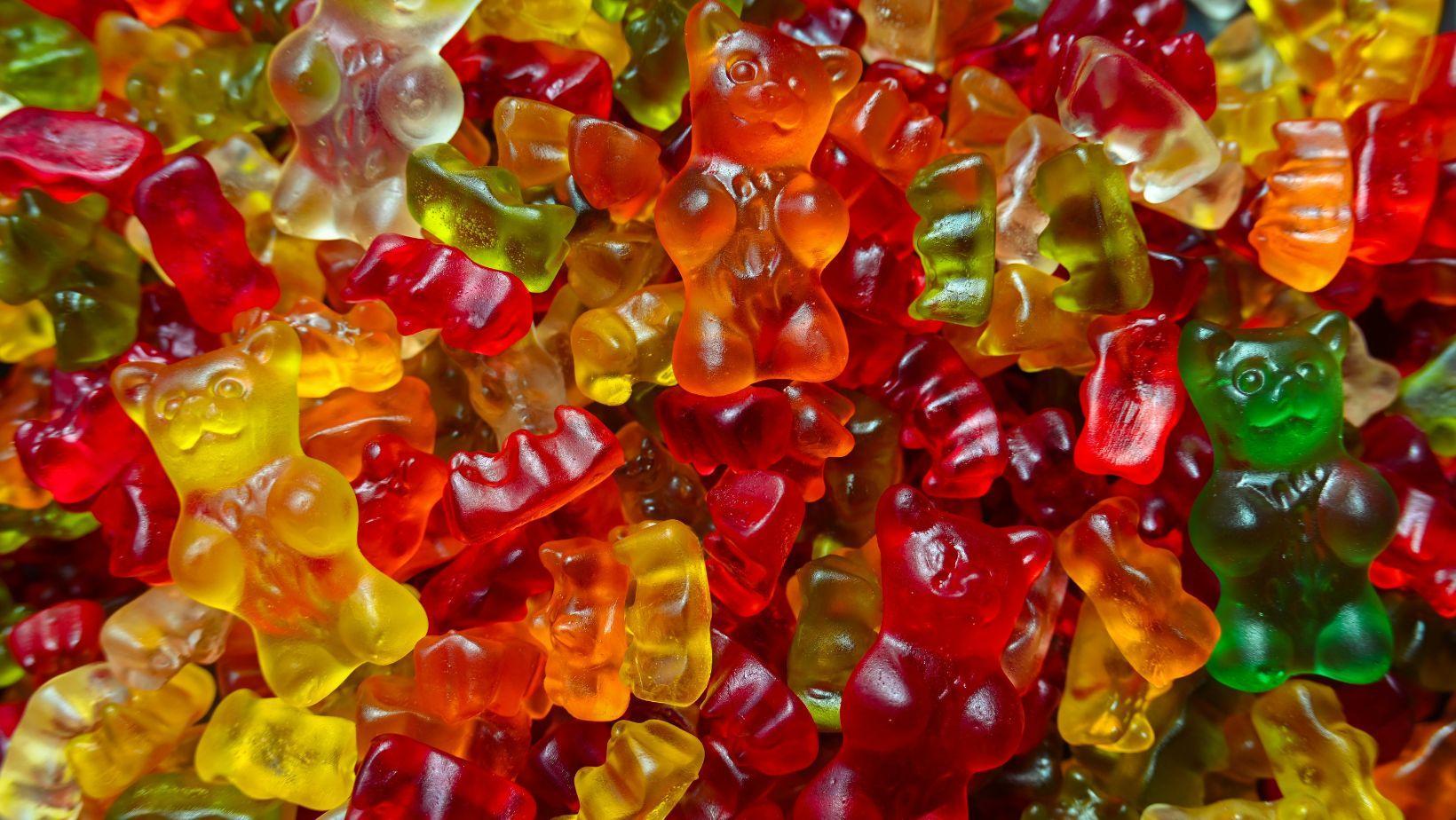

The truly best CBD gummies win people over on taste, not dose. Most who try CBD gummies and never go back aren’t chasing something stronger; they found something that actually tastes good. Flavor and texture are what turn a supplement into a daily habit; the difference between a gummy you tolerate and one you reach for comes down entirely to how it’s made.
So if you’ve ever chewed through a batch that tasted like grass clippings wrapped in sugar, you’re not alone. Here are five specific flavor and texture features that set a great CBD gummy apart from a forgettable one.
Fruit-Forward Flavors That Cover Hemp’s Natural Earthiness
Hemp extract has a distinct earthy, slightly bitter taste on its own. The best CBD gummies use fruit-forward flavor profiles not simply to add sweetness, but to actively mask that base flavor without burying it under artificial chemical notes. Strawberry, mango, watermelon, and citrus blends are the most popular choices because their natural acidity cuts through hemp bitterness cleanly. A well-formulated fruit flavor lands on your palate before the hemp note arrives, meaning you taste the candy first and the extract last, if at all.
The quality of flavoring matters more than most people realize. Products using real fruit juice or fruit-derived concentrates tend to produce a rounder, more natural taste profile; artificial flavors can smell right in the bag but turn sharp or medicinal once the gummy starts dissolving. Pick up a gummy, and the first thing you smell is a synthetic cherry scent that reminds you of cough syrup? That’s a warning sign. The goal is flavor that reads as “fruit snack,” not “supplement.”
Broad-spectrum and full-spectrum extracts carry a stronger plant taste than isolate-based products, which means the flavor formulation has to work harder. A maker who uses a quality extract and still delivers a pleasant-tasting gummy has genuinely put effort into balancing the formula, and that balance shows.
A Chewy Texture That Feels Like Real Candy
Texture is the first thing your body registers, even before flavor hits. A gummy that crumbles, sticks aggressively to your teeth, or turns to slick paste after two seconds of chewing is pointing to low-quality gelatin or pectin, poor humidity control during production, or improper storage. None of those are things you want associated with something you’re putting in your body.
The ideal CBD gummy has a firm initial bite that gives way to a smooth, even chew. It shouldn’t feel rubbery or resist breaking down. Think of the gap between a cheap generic gummy bear and a well-made artisan candy; the latter has a specific give to it, a consistency that feels deliberate. That texture comes from the ratio of gelatin or pectin to sugar and glucose syrup, the temperature control during molding, and how long the gummies cure after production.
Vegan gummies use pectin instead of gelatin, which naturally produces a slightly firmer, cleaner texture. Many people prefer pectin-based gummies because they hold their shape better in heat and don’t leave a coating on your teeth; if you live somewhere warm or carry your gummies in a bag, pectin formulas are worth seeking out for texture stability alone.
A Sugar Coating or Sour Dusting That Adds a Second Layer
Plain gummies can be perfectly good. But a fine sugar coating or a light sour dust changes the eating experience in a way that’s hard to go back from. The coating creates a slight crunch at first contact, giving textural contrast before the chew begins. It also softens any residual hemp bitterness and acts as a moisture barrier during storage, two benefits for the price of one finish.
Sour CBD gummies have picked up real traction over the past few years, and the reason makes sense. The tartness from citric acid activates saliva production, which speeds up flavor release and makes the overall taste more vivid. It also makes hemp earthiness almost undetectable, since the sour notes dominate the palate throughout the chew. Honestly, if standard CBD gummies still taste too herbal for your preference, a sour-dusted option is worth trying before you give up on the format entirely.
The trick is in the amount of coating. Too much sugar or sour powder turns sticky fast and clumps in the bag; too little and you lose the textural payoff. A thin, even application that covers the surface without pooling at the edges, that’s the sign of a well-executed finish.
Balanced Sweetness Without a Heavy Aftertaste
Sweetness level is one of the more subjective parts of gummy formulation, but there are objective markers of balance versus excess. A gummy that registers as extremely sweet on the first bite almost always finishes with a cloying aftertaste that lingers for minutes. The culprit is a sugar-to-acid ratio that’s off, not enough tartness or fruit acid to cut the finish.
A balanced gummy hits moderate sweetness up front, carries flavor through the chew, and finishes cleanly. You should be able to eat one without immediately reaching for a glass of water. The catch is that this is genuinely difficult to achieve, especially because CBD extracts carry their own bitterness that makers are trying to cover. The temptation is to pile in more sugar, but a more refined extraction process and better flavoring get you much further.
Natural sweeteners like organic cane sugar and tapioca syrup produce a cleaner taste than high-fructose corn syrup, which tends to land flat with a slightly metallic edge. Some brands blend in stevia or monk fruit as partial sweeteners to cut sugar load without sacrificing taste. A small amount of stevia alongside cane sugar produces a very pleasant, non-artificial finish, and it works particularly well for people who find standard candy-level sweetness excessive.
Consistent Flavor Across the Entire Gummy
Flavor distribution is easy to overlook, but it’s one of the clearest signals of production quality. Bite into a gummy that tastes intense at the edge and bland in the center, and you’re looking at uneven flavoring during the molding process; the extract or the flavor concentrate wasn’t distributed evenly through the batch, and you’ll notice it immediately.
Good production disperses both the CBD and the flavoring agents uniformly through each gummy. Every bite should taste the same, and every gummy in the bag should match the last one. Inconsistency across a single bag suggests the maker is cutting corners on mixing or temperature control. And here’s the thing: it also means your CBD dosing is probably inconsistent, which is the more practical concern.
Color can serve as a rough proxy. Gummies with visually uneven coloring, dark spots, or streaks often reflect the same mixing issues that produce inconsistent flavor. A uniformly colored, evenly shaped gummy with a clean surface is more likely to deliver a consistent taste and dose, not a guarantee on its own, but a decent signal.
Conclusion
Flavor and texture directly affect whether you actually stick with a CBD routine. Fruit-forward flavors, a smooth and deliberate chew, the right coating, balanced sweetness, and consistent flavor distribution are the specific things worth evaluating before you buy. A gummy that checks all five is one you’ll actually look forward to taking, and that consistency is the whole point.