
How Smart Waste Management Systems Improve Efficiency


For most of its history, waste collection ran on a fixed schedule no matter what. Trucks hit the same routes on the same days, whether a bin was overflowing or sitting barely a quarter full. Wastes fuel, wastes labour, wastes time. It's exactly the kind of inefficiency connected sensors and data platforms have started fixing. Smart systems went from a novelty a handful of cities tried out to a genuine operational upgrade now showing up across municipalities and private operators alike.
Sensors Replace Guesswork With Actual Data
At the core of most smart systems sits a fill-level sensor, installed inside a bin or container, usually using ultrasonic or infrared technology to measure the distance between the sensor and the waste surface below. These sensors report fill levels at regular intervals all day, giving operators an accurate, real-time picture of which containers actually need collection instead of relying on a fixed schedule built around averages and guesswork.
This one shift changes the entire underlying logic of collection. Instead of emptying every bin on a route regardless of how full it actually is, waste management systems built around fill-level data can prioritize containers genuinely near capacity and skip the ones that don't need attention yet. Cuts down on wasted trips considerably.
Fewer Miles Driven, Thanks to Smarter Routing
Fill-level data only creates real value once it feeds into route planning, and this is where a lot of the measurable efficiency gains actually show up. Route optimization software takes real-time bin status, plus factors like traffic patterns, vehicle capacity, and depot locations, and calculates the most efficient path for a route to follow on any given day. Not the same fixed route regardless of actual conditions on the ground.
Organizations running this kind of dynamic routing frequently report meaningful mileage reductions, sometimes fifteen to twenty percent fewer collection trips, with fuel consumption dropping right alongside it. For fleets running dozens of vehicles across a service area, that reduction compounds into real cost and emissions savings over a year.
Predictive Maintenance Keeps Trucks on the Road
Beyond collection logistics, sensor data also feeds predictive maintenance for the vehicles and equipment involved in waste operations. Instead of waiting for something to fail and scrambling afterward, predictive systems analyze performance data to flag likely issues before they cause a breakdown. Maintenance gets scheduled proactively instead of reactively.
Matters more than it sounds. Unexpected equipment failure mid-route creates cascading delays affecting an entire day's schedule, not just the one truck involved. Catch a problem during a scheduled maintenance window instead of mid-route, and operations keep running smoothly, avoiding the costly emergency repairs reactive maintenance tends to produce.
AI Sorting Catches What Manual Sorting Misses
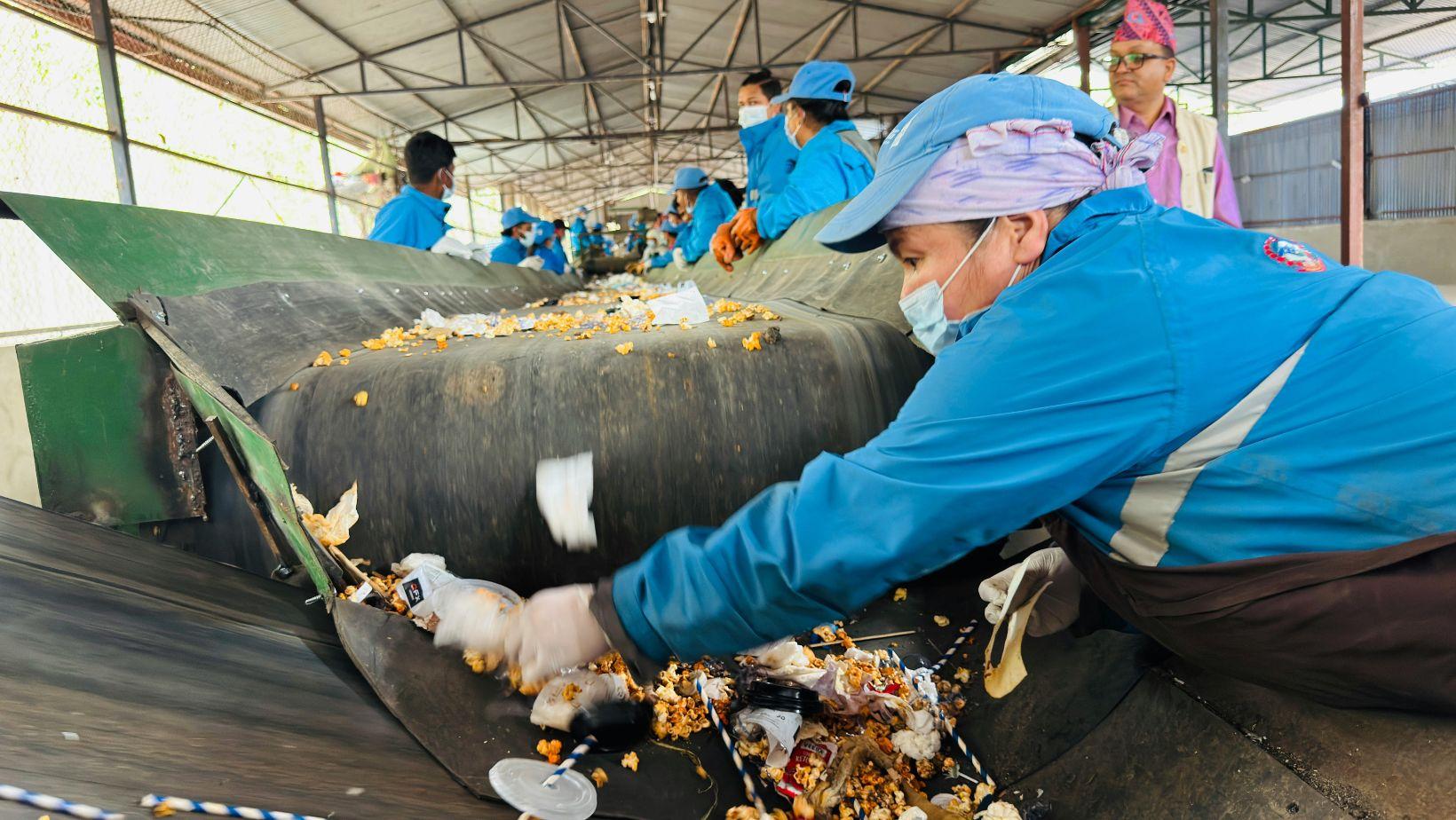
Sorting facilities have started bringing in AI-powered systems capable of identifying and separating material types with a speed and accuracy manual sorting struggles to match consistently. Computer vision trained to recognize different plastics, metals, and other recyclable materials can direct sorting equipment to separate things automatically, improving recovery rates while cutting the labour-intensive manual sorting that's historically been slow and error-prone.
Particularly helpful for materials that look similar but need different recycling processes, a distinction genuinely hard for manual sorting to nail consistently at scale, but one trained vision systems handle with a lot more precision.
Dashboards Turn Raw Data Into Something Operators Can Actually Use
All this sensor and route data matters a lot more once it's aggregated into a dashboard operators can actually monitor and act on. Real-time visibility into bin status across a whole service area, vehicle locations, collection progress, all of it allows dynamic adjustments throughout the day rather than operators discovering problems only after a route's already wrapped up.

This visibility supports better long-term planning too. Historical data on fill rates, seasonal patterns, and collection frequency by area helps operators adjust service levels proactively instead of reacting to complaints about missed or overflowing bins after the fact.
Monitoring Extends Well Past the Collection Truck
Sensor networks aren't limited to bins and collection vehicles. Similar technology increasingly monitors conditions at landfills and processing facilities, tracking things like gas emissions or potential leaks that signal an environmental issue developing before it turns into a real problem. This kind of monitoring supports regulatory compliance and genuine environmental protection, catching issues early instead of after they've already done measurable harm.
The Savings Follow the Efficiency, Almost Automatically
Efficiency gains from smart systems tend to translate directly into cost savings, and that's often what actually drives adoption, even among operators who weren't initially motivated by sustainability concerns. Fewer collection trips mean lower fuel and labour costs. Predictive maintenance cuts down on expensive emergency repairs. Better sorting accuracy improves the value recovered from recyclable materials. These savings compound across a large-scale operation in ways that let the upfront investment in sensor and software infrastructure pay for itself in a relatively short window, in a lot of cases.
What This Shift Actually Represents
Smart waste management isn't really about any single piece of technology. It's about moving an entire industry away from fixed, assumption-based operations and toward something driven by actual, real-time data. Fill-level sensors, route optimization, predictive maintenance, AI-assisted sorting, environmental monitoring: all of it works together as part of the same underlying shift. Treating waste operations as something measurable, optimizable, and continuously improvable, rather than run the same way they've always been run just because that's how it's always been done.