
How to Rebuild Your Family’s Life After a Wildfire Destroys Your Home in 3 Steps

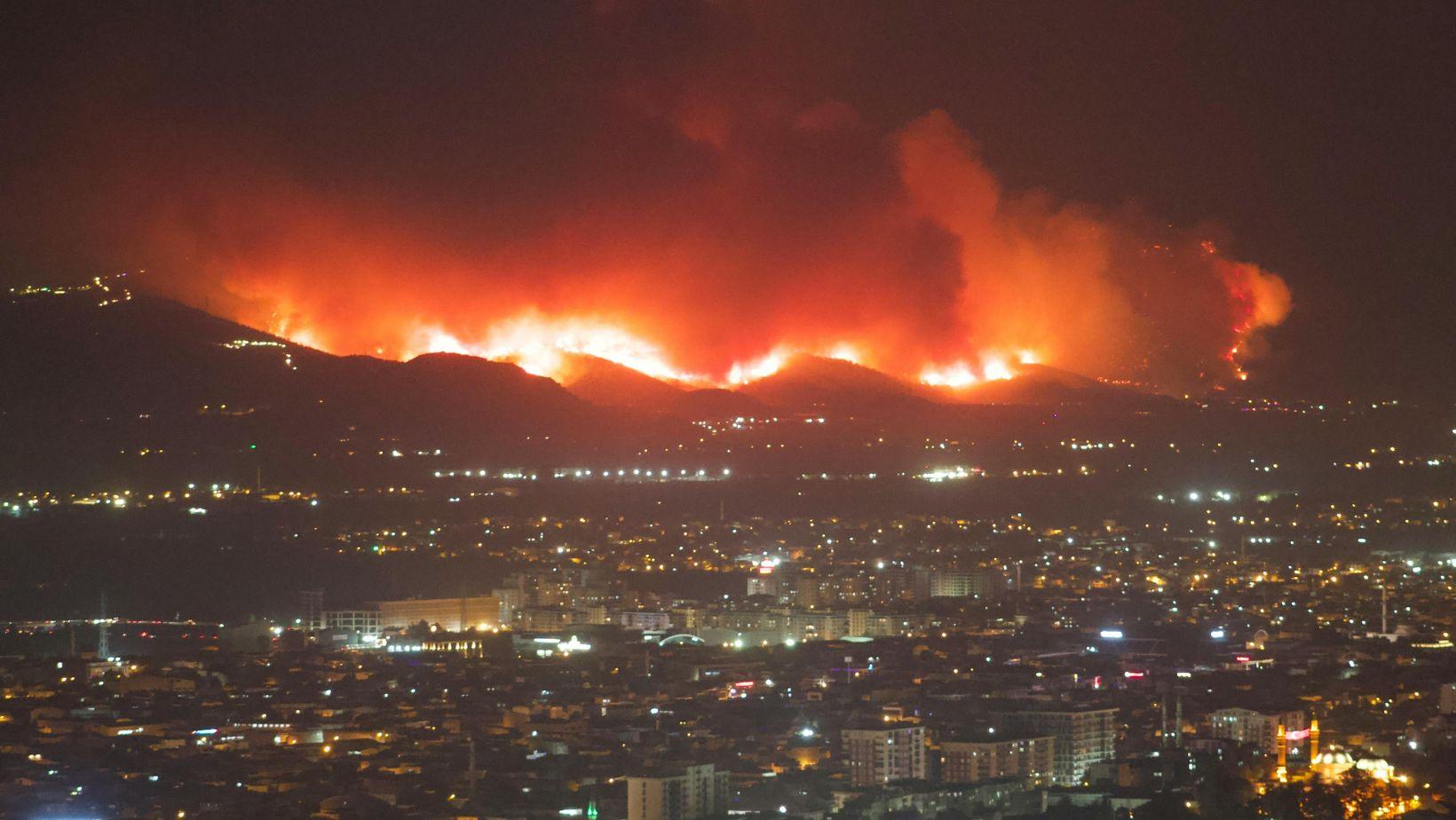

Hook: Over 60,000 wildfires burn across the U.S. each year. The 2025 Los Angeles fires destroyed over 16,000 structures and displaced more than 150,000 people, resulting in $62 billion in costs. For survivors, losing a home means losing financial security and a sense of stability.
Problem: Survivors must deal with insurance claims on top of disaster funding, as well as mortgage assistance, all while avoiding contractor scams. Families without a plan risk missing deadlines or accepting low settlements.
Why it matters: Recovery mistakes can cause financial setbacks and underfunded rebuilding. It can even result in lost legal rights if filing deadlines expire.
Solution: This guide outlines three steps to document losses and maximize compensation.
Proof: Based on guidance from wildfire recovery experts, federal disaster programs, and wildfire recovery research.
Who this guide is for: Homeowners and renters displaced by US wildfires.
What you’ll need: Insurance documents and a smartphone/camera. You may also need a tracking system and cloud storage.
Time to complete: Two to four hours for setup. Full recovery can take months or years.
Why You Can Trust This Guide
Problem: Information on wildfire recovery is often spread across various separate sources.
Solution: This guide combines insurance, government and legal insights, as well as disaster recovery best practices, into a three-step framework.
Proof: Informed by federal recovery guidance alongside wildfire research, as well as major settlement case studies.
Step 1: Document Everything and Secure Immediate Financial Stability
What you’re doing: Recording losses and activating financial support.
Why it matters: Robust records support insurance and legal claims. Prompt help addresses immediate financial needs.
How to do it:
- Document everything before cleanup. Then back up files to the cloud.
- File insurance and FEMA claims immediately. Then request ALE assistance if available.
- Reach out to your mortgage servicer. Then inquire about forbearance. Also check for disaster relief options.
Pro tips:
- Keep a disaster journal of all correspondence and claim activity.
- Save every receipt related to displacement and recovery.
Common pitfalls:
❌ Cleaning up before documenting damage.
✅ Documenting everything before repairs or debris removal.
Success looks like: Your losses are documented, and claims are underway. There’s short-term financial support in place.

Step 2: Evaluate Legal Options
What you’re doing: Finding out if additional compensation may be available.
Why it matters: Insurance often doesn’t cover the full cost of rebuilding. However, legal claims may help cover the difference.
How to do it:
- Have policy limits and rebuilding costs comparison. This helps identify any coverage shortfalls.
- Consult a wildfire attorney. Find out if there are potential claims and filing deadlines.
- Join a mass tort if applicable. Consider group litigation tied to the same wildfire event.
Pro tips:
- Don’t sign settlements before knowing your legal options
- Then work with wildfire litigation attorneys.
Common pitfall:
❌ Accepting the first insurance offer.
✅ Using independent estimates to negotiate fair compensation.
Success looks like: A clear recovery gap and a plan to secure additional compensation.

Step 3: Plan Your Rebuild
What you’re doing: You’re rebuilding with long-lasting safety in mind.
Why it matters: Smart reconstruction can lower the risk of future wildfires.
How to do it:
- Look at your options. You may either reconstruct or move. Or you could just buy a different home.
- Get contractors skilled in fire-resistant building practices.
- Check local building rules. Check for current codes and permit guidelines.
Pro tips:
- Take time to plan before making design decisions.
- Have backup power & water storage.
Common pitfalls:
❌ Getting unvetted contractors.
✅ Verifying licenses alongside references. Understanding payment schedules.
Success looks like: You have approved plans and qualified contractors. There’s a resilient rebuilding strategy.

5 Organizations to Consider for Wildfire Recovery
1. Adamson Ahdoot
Services/features: Wildfire litigation and free recovery guides alongside loss calculator. 24/7 consultations. Insurance dispute support given.
Use cases: Post-fire legal recovery and utility claims, as well as settlement negotiations. Limited pre/during guidance via resources.
Audience segments: Renters and homeowners. Serves business owners & injury victims. Those with denied or underpaid claims may also benefit.
Cost/pricing: Contingency fee. Free consultations and resources provided.
Alternatives: FEMA & Cal OES. Nonprofit relief groups or community support are other options.
Geography: Primarily California. Has offices in Texas and Nevada. Focused on CA utility-fire claims.
Related needs: Insurance recovery and housing reimbursement. Others are debris removal and lost income, as well as emotional distress and deadline management.
Trust signals: Over $500 million recovered. Key role in $13.5B PG&E settlement; major media features; CAALA and ABOTA members.
Pros
- Deep utility wildfire litigation experience.
- No upfront costs.
Cons
- Litigation timelines can be slow.
- CA-centric focus.
2. Fire Help Center
Services/features: Offers a live wildfire map. Free case reviews. Has guides on negligence and insurance claims. Connects victims with partner wildfire attorneys.
Use cases: Helps before wildfires with risk monitoring and preparedness. It supports evacuation tracking during fires. Legal referrals offered afterward.
Audience segments: Homeowners alongside renters. Families pursuing wrongful death claims may also use it. Others include business owners and injury victims.
Cost/pricing: Free resources offered. FireHelpCenter.com partner law firms usually work on a contingency fee basis.
Alternatives: State disaster agencies or FEMA. Others include independent attorneys or direct insurance claims.
Geography: Serves people nationwide. Resources are focused on high-risk wildfire states.
Related needs: Negligence claims and insurance appeals. Others include lost income and business losses alongside emotional distress compensation.
Trust signals: Partners with Sokolove Law and other law firms. It’s recognized by Best Lawyers 2026. It is on The National Trial Lawyers Top 100 list.
Pros
- Centralized resource and referral platform.
- Strong legal educational content.
Cons
- Informational resource, not a direct law firm.
- Focuses on legal action rather than immediate emergency aid.
3. Bridgford Law
Services/features: Handles wildfire lawsuits and utility claims. Offers tree and landscape damage assessments, community meetings, and guidance on uninsured losses.
Use cases: Supports utility lawsuits, uninsured damage claims, and mass litigation after wildfires. Offers limited before- and during-fire support.
Audience segments: Underinsured property owners and wildfire survivors. Business owners and those seeking compensation for tree and landscape damage may also use it.
Cost/pricing: Bridgford charges a reduced 25% contingency fee for fire survivors. The fees apply only to compensation that’s beyond undisputed insurance payments.
Alternatives: Utility settlements and insurance claims. Or general personal injury law firms.
Geography: Serves California and Hawaii. Focuses on utility-related wildfire cases.
Related needs: Utility liability claims alongside damage records. Others include land restoration costs and filing deadlines.
Trust signals: Helped draft the $13.5 billion PG&E settlement. Represented nearly 12,000 wildfire clients. Has recovered nearly $2 billion.
Pros
- Survivors get a discounted 25% contingency rate.
- Specialization in uninsured land and tree loss recovery.
Cons
- Geographic focus limited to CA and HI.
- Large case volume may limit direct attorney access.
4. Parker Waichman
Services/features: Handles nationwide wildfire lawsuits and mass tort cases. Focuses on power-line fires and utility claims. Gives free consultations and case reviews.
Use cases: Property damage and injury alongside wrongful death claims after wildfires. There’s limited before- and during-fire support.
Audience segments: Homeowners and business owners; injury victims and families affected by wildfire deaths.
Cost/pricing: Contingency fee. Consultations and case reviews are free.
Alternatives: Local wildfire firms, insurance-only recovery, government aid programs, and other mass tort firms.
Geography: Nationwide. Has offices in New York and Florida.
Related needs: Utility negligence claims and temporary housing costs. Business losses and multi-party lawsuits are also handled.
Trust signals: More than $2 billion recovered. Recognized by Best Lawyers & Super Lawyers.
Pros
- Extensive national resources for complex multi-party litigation.
- No upfront costs.
Cons
- Fewer local offices in western fire zones.
- Mass tort models can feel less personalized.
5. RKM Law
Services/features: Wildfire and personal injury litigation. Eaton Fire representation. Free consultations. Gives guidance on documenting losses and insurance claims.
Use cases: Property damage alongside wrongful death. Suitable for injury claims against utilities and public entities. Limited before/during support.
Audience segments: Homeowners and renters or business owners. Injury victims and families affected by the Eaton Fire can also benefit.
Cost/pricing: Contingency model.
Alternatives: Other wildfire law firms, insurance-only recovery, government assistance programs, and national mass tort firms.

Geography: Southern California. Has ten office locations across the region.
Related needs: Utility negligence claims and public entity liability. Housing displacement costs and business interruption losses are also covered.
Trust signals: Over $5 billion recovered since 1936. Recognition by Super Lawyers and Best Lawyers. Has extensive litigation experience.
Pros
- Strong local presence across Southern California.
- Handles claims against both utilities and government entities.
Cons
- Coverage restricted to Southern California.
- General personal injury firm rather than an exclusive wildfire niche practice.
Summary Comparison Table
|
Organization |
Key Features |
Best For |
|
Adamson Ahdoot |
Utility litigation, loss calculator, insurance dispute support. |
CA utility claims & denied insurance. |
|
Fire Help Center |
Live wildfire maps, case reviews, legal referrals. |
Early tracking & finding partner attorneys. |
|
Bridgford Law |
Mass actions, landscape/tree valuation, 25% survivor fee rate. |
CA/HI property owners with uninsured land loss. |
|
Parker Waichman |
Nationwide utility lawsuits, multi-party litigation resources. |
Victims needing national representation. |
|
RKM Law |
10 SoCal offices, Eaton Fire focus, public utility liability. |
Southern California local fire claims. |
“Wildfires in the US are growing larger and more severe & frequent. This puts communities at increasing risk of devastating damage.” — Trees, Forests and People Journal.
Common Mistakes to Avoid
Mistake 1: Making Impulsive Financial Decisions
Why it’s a problem: Stress can lead to poor financial choices and unfavorable contracts.
How to avoid it: Pause before making major financial commitments.
Do this instead: Consult a trusted advisor or family member before large purchases or investments.
Mistake 2: Not Paying Attention Mental Health Support
Why it’s a problem: Trauma can affect decision-making whilst slowing recovery.
How to avoid it: Recognize emotional recovery as part of rebuilding.
Do this instead: Seek support through counselors. Use disaster recovery programs and join support groups.
Mistake 3: Overlooking Long-Term Documentation
Why it’s a problem: Missing records can weaken insurance or legal claims.
How to avoid it: Don’t rely on memory or scattered paperwork.
Do this instead: Store all records in organized digital folders. Then back them up.
Key Takeaways
- Documentation is important.
- Legal options can close coverage gaps.
- Upgrades with fire resistance improve safety and resilience.
Final Thoughts
Summary: Wildfire recovery requires financial stability and compensation. Safe rebuilding is also key to moving forward.
Benefit reminder: These steps help protect your finances and legal rights.
Encouragement: Rebuilding takes time. But each step brings you closer to stability.
Reality check: Recovery may take years. So focus on progress and small wins.
Next Steps
Do this now
- File your insurance claim. Then request an ALE advance.
- Register for FEMA assistance.
Keep learning
- Check NIFC guidance on defensible space.
- Call a wildfire attorney to understand your legal options.
Take action
Start documenting losses today. Then seek professional guidance where needed. Every step forward brings you closer to recovery.
FAQ
What financial assistance is available if my insurance doesn’t cover all my rebuilding costs?
FEMA disaster assistance for unmet needs. Then use low-interest SBA disaster loans.
Should I try to rebuild my exact previous home layout?
No, but take it as a chance to improve floor plans or use fire-resilient materials.
What is the first thing I should do when I am allowed to get back onto my property?
Take comprehensive photos and videos of all damage to document your losses before cleaning up.