
Why Is My Water Bill So High? Common Plumbing Issues That Could Be the Culprit


Everyone’s had that punch to the gut when the bill comes in with an unexpected spike in charges. One minute you’re telling yourself, “Sure, that sounds about right based on how I use it,” and the next, you’re staring at a total that makes you wonder if your water bill tripled overnight.
While increases in water rates can be to blame on occasion, most of the time, those high bills are actually red flags that something is wrong with your plumbing. Little drips and leaks seem fine when you’re ignoring them, but flushing money straight down the toilet is just a bad idea; before you know it, dented pockets are flooding your finances!
This guide reveals some of the most common underground plumbing problems that could be driving your water bills sky-high. From running toilets to slab leaks and all the in-between, once you have an idea of the most likely culprits, you can call in professional reinforcements to fix it before those pesky leaks soak up all your savings. Put on your sleuthing hat and grab that wrench – the case of the spiking water bill is on!
Leaky Faucets: A Small Drip with Big Consequences
That little drip-drip-drip from your bathroom sink may not seem like much. But don’t be fooled — what looks like a small inconvenience is actually Public Enemy #1 when it comes to higher-than-hoped-for water bills.
How Leaky Faucets Lead to High Water Bills
That innocent little trickle? Don’t be fooled — even the slowest leak can guzzle gallon upon gallon in a shockingly short period of time. That’s as much as 20 gallons of water wasted each day on a moderately leaky faucet. Do the math, and that’s like flushing money right down the toilet.
Signs of a Leaky Faucet
Fortunately, these troublesome culprits aren’t too difficult to detect if you know the telltale signs. Any visible drips or water collecting around sink basins should also be a dead giveaway, of course. But also look for rust stains, warped cabinets, or mineral buildup around faucet bases — all signs that a slow leak could be flying below the radar.
How to Fix Leaky Faucets: Simple Solutions
The good news is that most faucet leaks are fairly easy repairs for the semi-handy homeowner. Much of the time, it’s a matter of simply changing out some worn washers or tightening a few loose elements with a wrench. For the overachieving do-it-yourselfer, you can even go 100% Faucet Overhaul Mode and install a new faucet fixture. Either way, that small upfront investment could save you big on your water bill in the long run.
Running Toilets: Silent Water Waster
Do you know what’s worse than a leaky faucet? A running toilet that’s conspiring to waste gallons of water behind your back.
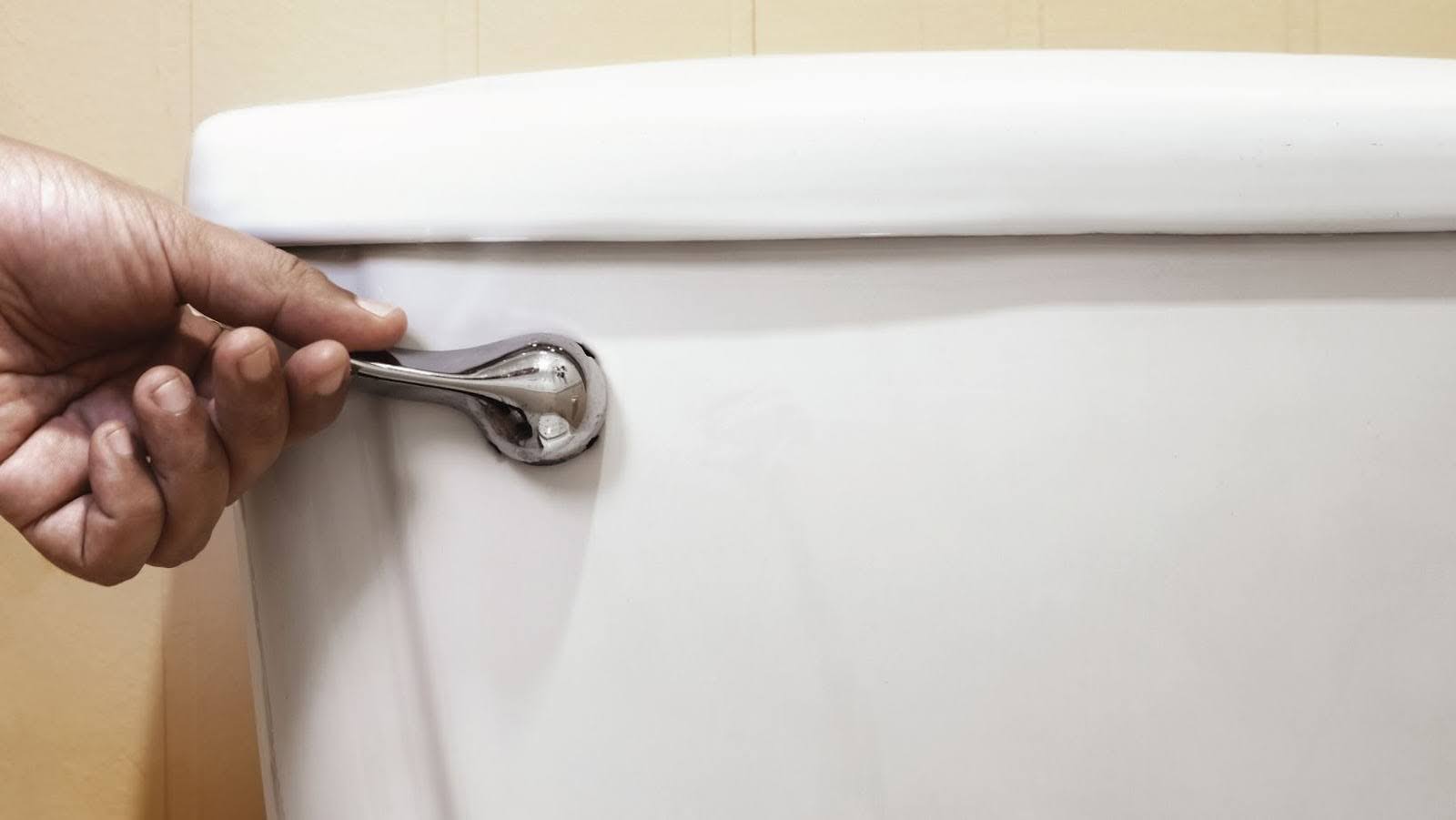
These sneaky culprits are the true victors when it comes to high, inexplicable water bills.
Why a Running Toilet Drains Water
When a toilet keeps running, filling the tank and bowl, it’s not just an annoying sound. That endless cycling of water can drain hundreds of gallons a day without you realizing it. That’s potentially thousands of gallons per month flushed by a rogue toilet.
Causes of Running Toilets
There are a handful of common culprits behind these water-wasting criminals. A worn flapper valve that can no longer make a tight seal is usually the primary problem. However, a misadjusted float arm or a corroded flush valve can also let the water continue running uncontrollably. Anything that effectively stops the tank from filling properly creates the environment for a toilet’s nonstop-running game.
How to Fix a Running Toilet
The good news is, you don’t need professional plumbing skills to get this situation under control. Typically, just resetting the float arm or replacing an old flapper valve is enough to end the nonstop refilling. For a more permanent fix, you can replace the whole flush valve assembly. It’s a small DIY project that will reward you big time when those water bills return to more reasonable numbers.
Leaky or Burst Pipes: A Hidden Drain on Your Bill
Sometimes the real water-wasting offenders are hiding where you least expect them to be—behind walls, below floors, or underground.
Hidden Leaks Under Floors or Behind Walls
Chicagoland has its fair share of older homes with aging plumbing just waiting to leak. Those tiny cracks or galvanic-pitted pipe joints can let gallons upon gallons of water escape unnoticed, especially in out-of-sight spots.
Increased Water Usage from Burst Pipes
Of course, sometimes those pesky pipes choose the dramatic route—gushing floods instead of slow drips. We know all about the wild temperature swings in the Windy City and its harsh winter deep freezes, which often leave pipes no chance before abruptly bursting.
Detecting and Fixing Leaky or Burst Pipes
The bad news is that you can’t always see or hear these underground leaks. The first signs that something is wrong might include wet, moldy walls, a sudden inexplicable loss of water pressure, or a persistent warm spot on the floor.
Once you recognize a leaky pipe situation, it’s advisable to bring in professional reinforcements to correctly pinpoint the problem areas and perform an adequate repair. A temporary patch will only delay the inevitable, kicking the can down the road until it bursts again.
Water Heater Problems: The Hidden Expenses of Hot Water
Brace yourselves – here comes a big player you don’t give much thought to: the humble hot water heater.
Faulty Water Heaters and Costly Water Bills
A broken water heater may not immediately strike you as something that could dramatically affect how much water you use, but it can. From a small leak to sediment problems to improper temperature settings, an inefficient water heater can silently hemorrhage gallons and gallons of water without you even realizing it.
Common Water Heater Problems
There are a few common culprits behind water heater performance problems. Sediment and mineral buildup in the tank over time can make heating elements fail and cause leaks. Speaking of leaks, a crack or hole in the tank itself is essentially money flowing straight down the drain. Don’t forget about improper heat settings on the thermostat—setting it too high is like “paying to boil off unneeded water,” unnecessarily driving up your expenses.
Dealing With Water Heater Inefficiencies
The good news is, most of these hot-water woes are fairly straightforward to diagnose and repair. An annual flush of the tank can clear out built-up sediment and improve efficiency. For a leaking tank, all you might need to do is replace a few anode rods or valve parts.
Don’t underestimate the impact of simply turning the thermostat down to the recommended 120°F—this single adjustment alone can yield significant water (and energy) savings.
Of course, sometimes there’s no salvaging a water heater, and a full system replacement becomes inevitable. While that initial expense may sting, upgrading to a newer, high-efficiency model can repay you handsomely with lower utility bills.
Either way, getting your water heater issue under control might be the key to solving the mystery of a high water bill.
Leaky Outdoor Faucets and Irrigation Systems
So you’ve buttoned up all the indoor plumbing problems, but those water bills are still through the roof? Now, it’s time to think outside.
How Outdoor Water Leaks Inflate Your Bill
A little drip or two from a garden hose or a sprinkler system might not seem like a big deal if you’re not out there 24/7. But, like their indoor counterparts, those outdoor leaks can quietly guzzle hundreds of gallons without detection.
Common Issues with Irrigation Systems
Automatic sprinkler systems are a prime suspect when it comes to over-watering. Think broken sprinkler heads blasting full speed into the driveway rather than the garden beds. Or timers gone haywire, running the system in the middle of a torrential downpour. Misaligned heads and improper settings can easily send a reservoir’s worth of water down the storm drains.
Correcting Outside Water Leaks
After you’ve pinpointed the likely culprits behind your outdoor water woes, it’s time for some irrigation re-education. Swapping out worn washers or faulty hose bibs can put a stop to those drips and dribbles.

For sprinkler systems, you might need to replace broken heads, redirect spray patterns, and adjust the timers to avoid water runoff into the street. If DIY sprinkler whispering isn’t your thing, call in the irrigation pros for a full system audit and optimization. It’s a small investment that will keep your lawn green without letting your water provider drain your wallet.
Faulty Water Pressure Regulators: The Hidden Culprits
Sometimes, those unsuspecting water pressure regulators are the real reason your water bills are soaring!
How High Water Pressure Causes Excessive Use
When water pressure is too high, your plumbing fixtures and appliances consume significantly more water than necessary for basic tasks like flushing or laundry. It’s like using a fire hose when all you need is a trickle.
Symptoms of a Defective Water Pressure Regulator
How can you tell if high pressure is the issue? Telltale signs include:
- There are loud banging noises when you turn the taps on or off.
- Water drains suspiciously quickly down sinks and tubs.
- Sprayer heads that seem overly spirited.
If you notice any of these, it’s a good bet your regulator is stuck wide open.
Adjusting or Replacing Pressure Regulators
Luckily, taming high-pressure chaos is usually an easy fix. Regulators have adjustable valves that can be dialed down to the efficient range of 50–60 psi. Simple DIY tuning can transform raging rivers into gentle trickles. If the regulator itself is too far gone, replacing the entire unit is a quick and straightforward swap.
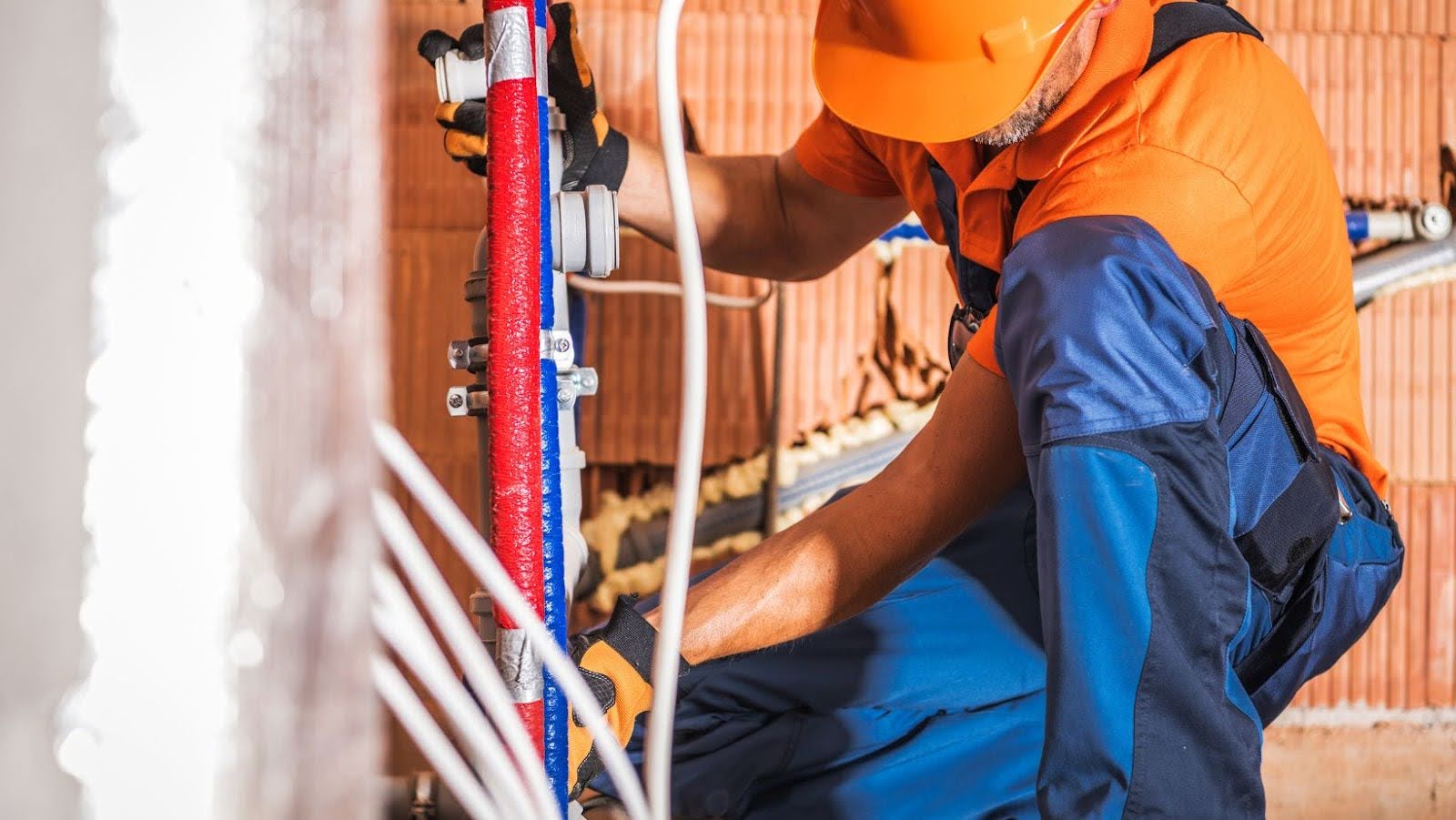
Don’t let an inconspicuous little valve secretly soak up your savings. A small tweak can have a big impact on both your plumbing and your wallet.
Unlikely Villains: Water Softeners and Household Appliances
You’ve checked every corner but still can’t find the culprit behind high water bills? Let’s discuss some surprising water-wasting sources.
Leaking Water Softeners
That water softener chugging away in your basement might seem innocent, but leaks or repeated cycling can waste more water than a teenager’s never-ending shower. Designed to be efficient, any malfunction turns them into sneaky super-soakers.
High Water Use from Appliances
Old appliances can be surprising water hogs.
- An aging dishwasher may endlessly re-run cycles, wasting tons of water.
- That old washing machine with the sock stuck in the drain? Likely inefficient and wasteful.
- Even refrigerators with built-in ice makers and water dispensers can develop leaks as they age.
Repairing or Replacing Water-Wasting Appliances
Thankfully, many appliance issues have simple fixes.
- Replace faulty water inlet valves on dishwashers and washing machines to stop overflows.
- Tighten supply line fittings on refrigerators to prevent leaks.
For truly outdated models, upgrading to water-efficient versions may be the smarter, long-term solution.
Drip, Drip, Drip Goes the Money: Solve the High Water Bill Mystery
From toilets that constantly refill to sprinklers watering your driveway, hidden plumbing problems could be inflating your costs. Don’t let inefficiencies drain your wallet!
What's Your Reaction?