
How to Banish Mould on Walls Without Losing Your Mind


Why mould on walls feels so unsettling
Finding mould on a wall tends to trigger the same reaction every time: a mix of “that looks awful” and “is this bad for my health?” It often starts as a faint grey or green shadow in a bathroom corner, behind a wardrobe, or along a cold external wall. Left alone, the patch spreads, paint starts to bubble, and some people notice sneezing or a scratchy throat when they spend time in that room.
On a lifestyle and home-obsessed platform, mould is more than a cosmetic issue. It clashes with every dreamy Pinterest board, ruins carefully chosen paint colours, and can even make guests think your home is damp or neglected. Understanding why it appears and how to tackle it calmly is the first step to taking back control of your space.
What actually causes mould on walls
Mould thrives where moisture lingers and fresh air is scarce. In real homes that often means steamy bathrooms, kitchens full of boiling pans, or small bedrooms where windows stay closed all winter. Condensation on cold surfaces feeds mould spores that are already present in the air, and those spores settle into tiny imperfections in plaster, grout, or wallpaper glue.
Everyday habits play a surprisingly big role. Drying clothes on radiators, skipping extractor fans because they are noisy, or blocking air bricks and vents to “keep drafts out” all create ideal mould conditions. Older homes with solid walls and single glazing have an even tougher job, as surfaces cool down quickly and attract moisture.
If you feel stuck wondering how to get rid of mold on walls without endlessly repainting, it helps to look at both the visible patches and the hidden moisture that is feeding them.
First response: safe cleaning steps that actually help
Once you spot mould, the goal is to remove it safely without spreading spores everywhere. Open a window, close the door to other rooms, and put on basic protection like gloves and a simple mask if you have one. Even if you feel fine around mould, it is wise to avoid breathing in disturbed spores unnecessarily.
Start by gently wiping the affected area with a damp disposable cloth or paper towel to lift away loose growth. Avoid aggressive scrubbing at this stage since that can send spores into the air. Bag and bin used cloths instead of rinsing them out in a sink, where spores can cling to surfaces or splash back.
At this point many people reach for whatever is under the sink: bleach, old multi-purpose sprays, or a random concoction found on social media. This is where caution matters. Strong products in an enclosed bathroom or tiny hallway can irritate eyes and lungs, and using them on the wrong surface may discolour paint or damage delicate plaster.
Choosing between DIY fixes and specialist products
Online advice for mould reads like a kitchen inventory: vinegar, baking soda, lemon juice, neat bleach. Some of these can lighten stains or remove a top layer of growth, which is why they are so popular in “before and after” photos. The challenge is that they often do not penetrate porous surfaces deeply enough, so faint marks return sooner than expected.
Bleach in particular can make mould look gone while leaving the underlying problem intact. On painted walls or wallpaper, it can also leave tide marks or patchy fading. That might be acceptable in a utility room but less so in a carefully curated living space.
Specialist mould removers, by contrast, are designed specifically for spores on tiles, grout, and masonry. They often work faster and are tested for particular surfaces, which gives more predictable results. The trade-off is that you still need to follow label instructions closely, keep the area well ventilated, and give the product time to work instead of wiping it off immediately.
Dealing with different wall finishes
Painted plaster walls
On a painted wall in a bedroom or hallway, mould usually shows up as grey, black, or green patching with a slightly fuzzy edge. Once the visible growth has been safely removed with a suitable cleaner, let the wall dry fully. This might take a day or two, especially in colder months.
If the paint is bubbling or flaking, gently scrape back the damaged areas and sand the edges so they blend with the surrounding surface. Use a stain-blocking primer before repainting, otherwise tan or grey marks can bleed through new paint. Choose a breathable paint, particularly in older properties, so moisture can escape instead of becoming trapped behind a plastic-like film.
Tiled bathrooms and kitchens
Mould on grout lines in showers and around sinks is often driven by constant humidity and poor air movement. Once tiles are clean and dry, keeping that area mould-free comes down to daily habits. Running an extractor fan long enough after showers, wiping down soaking wet tiles with a squeegee, and leaving internal doors ajar so steam can disperse all make a difference.
In homes with teenagers or guests who forget, visual cues can help. A simple note near the light switch reminding people to leave the fan running for 15 minutes, or a timer switch that switches it off automatically, reduces the nagging and improves consistency.
Behind furniture and in hidden corners
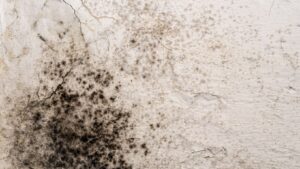
One of the most frustrating experiences is pulling a wardrobe away from an external wall and discovering a solid patch of mould behind it. This usually means the wall is cold, the air is still, and moisture from the room is condensing there regularly. Once cleaned, think about how to stop the cycle.
Leave a small gap between furniture and external walls so air can circulate, even if that means slightly rethinking your layout. In very tight rooms, swapping a solid wardrobe back for a piece with legs that allow air to move underneath can help. Some people find that rotating furniture seasonally prevents long-term build-up in one hidden spot.

Long-term fixes: tackling moisture and airflow
Lasting mould control is less about constantly scrubbing and more about changing the conditions that allow it to flourish. Start by paying attention to where moisture is coming from. Do windows drip with condensation in the morning? Does washing hang indoors for days? Is the bathroom mirror still cloudy an hour after a shower?
Simple adjustments often make a surprising impact. Opening trickle vents or small window gaps even in winter, using lids on boiling pans, and drying clothes in a well-ventilated room instead of directly on radiators all reduce airborne moisture. For many households, a dehumidifier in the most affected room becomes a quiet ally during colder months.
Ventilation upgrades can also be worth considering. Modern extractor fans with humidity sensors run automatically when steam builds up, then switch off once levels drop. Continuous mechanical ventilation systems draw stale, moist air out throughout the day, which can be transformative in compact apartments or bathrooms with no windows.
When to call in professional help
Most light surface mould on walls can be handled by homeowners with sensible precautions and appropriate products. It is time to consider professional help when patches are extensive, keep returning very quickly, or are accompanied by signs of deeper damp such as crumbling plaster, a musty smell throughout the house, or warped skirting boards.
Surveyors and damp specialists can check for issues like leaking gutters, porous brickwork, or failed damp proof courses that might be feeding mould from behind the scenes. While an assessment is not as instantly satisfying as seeing a stain disappear, it can save years of repeated cleaning and repainting, and the cost of mold remediation is not always as high as you might think.
For renters, documenting mould with clear photos and dates is important. Share concerns with your landlord or property manager in writing and keep a record of any steps you have taken yourself. That paper trail is helpful if the underlying cause turns out to be structural rather than lifestyle-related.
Making peace with prevention as a daily habit
Living with mould does not mean your home is dirty or that you are failing as a housekeeper. It usually means your building, climate, and daily routines have teamed up in ways that let moisture win. Once you understand that, small, consistent habits begin to feel less like chores and more like quiet acts of care for the place you live.
Cracking a window while you shower, letting a fan whir on after dinner, and giving suspicious corners a quick inspection every few weeks can keep walls fresh and safe. And if you’re storing items long-term, climate-controlled storage can help prevent musty odors and mildew, especially for fabric, paper, and wood. Over time those small moments of attention protect your décor, your belongings, and possibly your health, turning mould from a constant worry into an occasional, manageable task.