
Experienced Dog Veterinarian For Healthy, Happy Pets


Finding an experienced dog veterinarian is one of the most important decisions a pet owner can make, and clinics like Petfolk Southlake emphasize why experience matters beyond routine checkups. Skilled veterinary teams bring sharper diagnostic judgment, safer surgical practices, and clearer guidance that supports a dog’s health at every life stage. This article explains why veterinary experience counts, the core services seasoned clinicians provide, how preventive care works, common canine health issues and their management, and what to look for when choosing the right veterinarian for a dog—delivering concise, actionable insight busy professionals can use to assess quality and make informed choices for their pets.
Why Experience Matters In Canine Care
Veterinary experience translates into better pattern recognition, wiser judgment calls, and fewer unnecessary interventions. Experienced dog veterinarians have seen a wider range of presentations of common conditions, everything from atypical vaccine reactions to subtle signs of early heart disease. That breadth matters because dogs, like people, rarely read textbook case studies. They present with messy, overlapping symptoms. A veterinarian who has managed hundreds of ear infections, for example, will more quickly distinguish primary infections from underlying allergies or endocrine problems.
Experience also improves procedural skill. Years of performing soft-tissue surgeries, dental extractions, or orthopedic repairs reduce complication rates and shorten anesthesia times. In emergency situations, when minutes matter, an experienced clinician can triage faster, stabilize more effectively, and communicate prognosis clearly to owners.
Finally, experienced veterinarians have often developed better client communication and practice workflows: clear discharge instructions, realistic cost estimates, and dependable follow-up. Those operational strengths reduce stress for busy owners and increase the likelihood that dogs will complete recommended care plans.
Core Services An Experienced Dog Veterinarian Provides
An experienced dog veterinarian offers a comprehensive service set that goes beyond basic exams:
- Routine Exams and Vaccinations: Timely wellness checks and vaccination schedules tailored to a dog’s lifestyle and risk factors.
- Wellness Testing and Diagnostics: In‑clinic bloodwork, urinalysis, radiography (X‑rays), and ultrasound to catch disease early.
- Nutrition Counseling and Weight Management: Customized feeding plans for puppies, adults, and geriatrics, including therapeutic diets for disease.
- Dental Care and Oral Health: Professional cleanings, periodontal treatment, and extractions when needed.
- Parasite Prevention and Control: Year‑round plans for fleas, ticks, intestinal parasites, and heartworm.
Beyond these staples, experienced clinicians often provide behavior counseling, geriatric assessments, and integrative medicine options. They coordinate referrals for specialty services when advanced imaging or board‑certified specialists are required.
Preventive Care Plans To Keep Dogs Healthy
Preventive care is the most cost‑effective route to long, healthy lives for dogs. Experienced veterinarians design preventive care plans that consider age, breed predispositions, environment, and lifestyle. Core components include:
- Vaccination schedules matched to exposure risk (core vs. non‑core vaccines).
- Routine wellness bloodwork to detect early kidney, liver, or endocrine disease, especially important in middle‑aged and senior dogs.
- Parasite prevention tailored to local disease prevalence: for example, using year‑round heartworm prevention where mosquitoes are active.
- Dental evaluations and periodic cleanings to prevent periodontal disease, which is linked to systemic issues like heart disease.
- Weight monitoring and nutrition adjustments to prevent obesity, a major risk factor for osteoarthritis and diabetes.
They build plans that are realistic for owners: prioritizing interventions by impact, suggesting payment options, and scheduling reminders. This practical approach increases adherence and reduces avoidable emergency visits.
Petfolk Veterinary & Urgent Care – Frisco
Common Canine Health Issues And How Veterinarians Manage Them
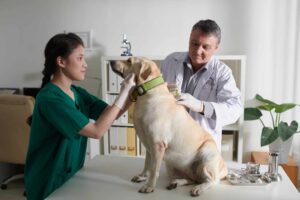
Experienced veterinarians routinely manage a set of common canine problems by combining diagnostics, targeted treatment, and owner education:

- Common Skin And Allergy Problems: Allergies, flea‑bite dermatitis, and bacterial or yeast infections are frequent. Veterinarians use history, skin cytology, and sometimes allergy testing to identify triggers. Treatments range from topical shampoos and antibiotics to immunotherapy for long‑term control.
- Orthopedic Conditions And Mobility Issues: Hip dysplasia, cruciate ligament ruptures, and arthritis are managed with a mix of diagnostics (X‑rays), medical management (NSAIDs, joint supplements), physiotherapy, and surgical options when indicated.
- Parasite Prevention And Control: Preventive medications, fecal testing, and environmental advice reduce parasite burden and zoonotic risk. Education about seasonal risk and local vectors is emphasized.
- Dental Care And Oral Health: Periodontal disease is addressed with professional cleanings, extractions when needed, and at‑home dental care plans to prevent recurrence.
For each condition, experienced veterinarians emphasize measurable goals (pain reduction, weight loss targets, infection resolution) and practical follow‑up schedules so owners know what success looks like.
Emergency, Surgical, And Specialized Care
When dogs need advanced care, experienced veterinarians handle three critical responsibilities: rapid stabilization, safe surgical intervention, and appropriate referral.
- Recognizing True Emergencies Versus Urgent Issues: Veterinarians triage presentations, distinguishing life‑threatening problems (severe trauma, respiratory distress, ingestion of toxins) from urgent but non‑life‑threatening issues (lacerations, moderate vomiting). That skill prevents unnecessary hospital admissions while ensuring critical cases receive immediate attention.
- Surgery, Anesthesia Safety, And Postoperative Care: Experienced clinicians customize anesthesia plans based on age, breed, and comorbidities: they use multimodal pain control and provide clear postoperative instructions. Lower complication rates and smoother recoveries often reflect years of surgical practice and sound protocols.
- When To Seek A Specialist Or Second Opinion: A key mark of experience is recognizing limitations. Whether it’s referral to a board‑certified surgeon for complex orthopedic repair or to an internal medicine specialist for refractory endocrine disease, timely referral improves outcomes and owner confidence.
How To Choose The Right Veterinarian For Your Dog
Selecting the right veterinarian requires looking beyond price or proximity. Experienced clinicians recommend evaluating credentials, clinic capabilities, reputation, and communication style:
- Credentials, Experience, And Continuing Education: Confirm the veterinarian’s licensing, years in practice, and any additional certifications (fear‑free, dentistry, ultrasound training). Ongoing education shows commitment to current best practices.
- Clinic Facilities, Equipment, And Diagnostic Capabilities: A well‑equipped clinic offers in‑house blood chemistry, digital radiography, dental radiographs, and access to ultrasound or advanced imaging either onsite or via referral. Those capabilities speed diagnosis and reduce patient stress.
- Patient Reviews, Referrals, And How To Evaluate Reputation: Read recent reviews and ask other pet owners for referrals. Look for comments about communication, transparency on costs, follow‑up, and how emergencies were handled. A consistent pattern in reviews is more informative than any single glowing or negative comment.
- Practical Questions To Ask During Your First Visit: Useful questions include: How do they handle after‑hours emergencies? What is their vaccination philosophy? How are costs estimated and communicated? Who performs surgeries and what are anesthesia protocols? Observing how the staff treats patients and how the veterinarian explains issues gives fast insight into fit.
Choosing a clinic that matches a dog’s medical needs and an owner’s expectations reduces friction, improves adherence to recommendations, and eventually supports better outcomes.
Conclusion
An experienced dog veterinarian is an investment in a pet’s long‑term health and a source of calm during crises. They combine diagnostic skill, practical preventive planning, and procedural competence with clear communication to help owners make informed decisions. For busy professionals who value efficient, evidence‑based care, selecting a veterinarian with demonstrable experience, strong clinic capabilities, and a reputation for thoughtful client education pays dividends, fewer emergencies, lower long‑term costs, and more years of healthy companionship.