
Protecting Your Family Home: A Homeowner’s Guide to a Healthy Roof

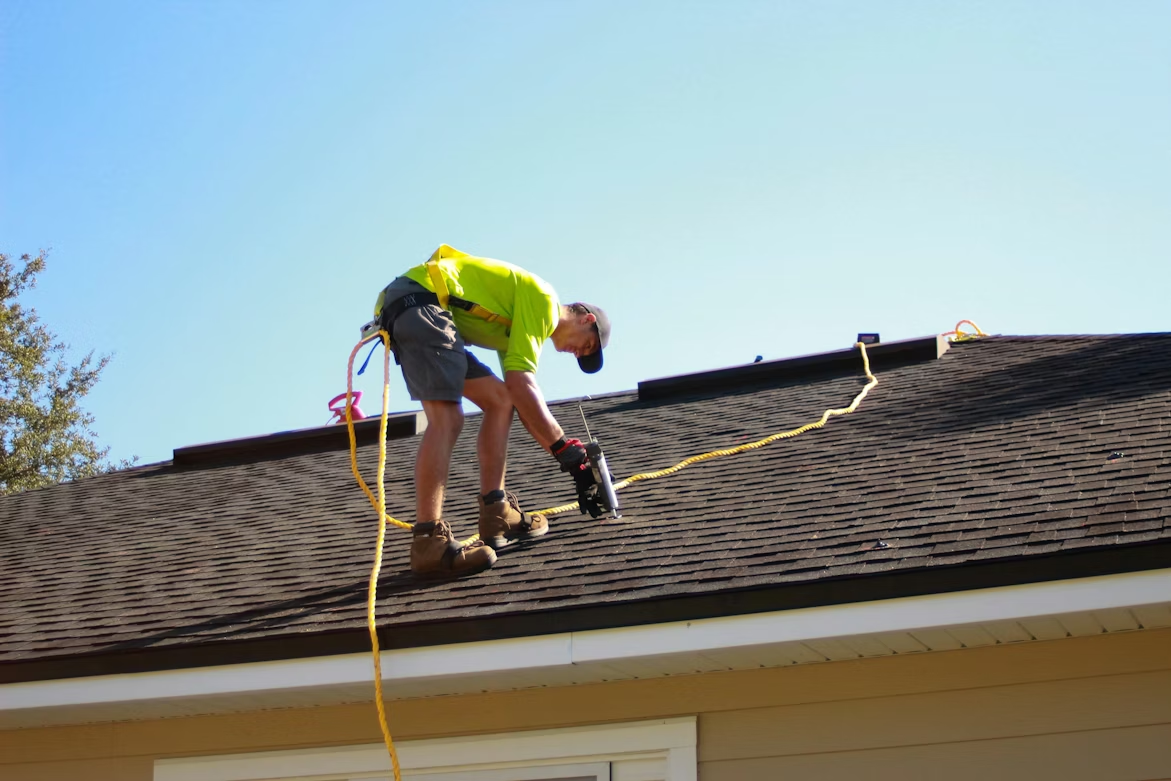

A friendly homeowner’s guide to spotting roof trouble early, choosing the right materials, and hiring trustworthy local pros to keep your family safe and dry.
Your roof works harder than almost any part of your house. It shields your family from sun, storms, and everything in between, often without a single complaint.
Most of us only think about it when something goes wrong. By then, small issues have usually grown into expensive ones.
This guide walks you through the warning signs, smart material choices, and how to pick a contractor you can actually trust.
Why Your Roof Deserves More Attention
A neglected roof can quietly damage your insulation, drywall, and even your furniture before you notice. Water finds a way in long before stains appear on your ceiling.
According to the National Roofing Contractors Association, homeowners should inspect their roof twice a year, once in spring and once in fall. That simple habit catches problems early.
Spring inspections matter most after a rough winter, when ice and wind have done their damage out of sight.
Five Signs It Might Be Time for a New Roof
Bob Vila and home insurance experts at Amica agree on the most common red flags. Knowing what to look for saves money and stress.
1. Curled, Cracked, or Missing Shingles
Healthy shingles lie flat against the roof. Curling or buckling shingles let water sneak underneath, where it rots the deck below.
2. Granules in Your Gutters
Asphalt shingles shed crushed-stone granules as they age. Finding piles of grit in your gutters is a strong sign your roof is nearing the end of its life.
3. Daylight in the Attic
Grab a flashlight and check the attic on a sunny day. Beams of light coming through the boards usually mean openings that are letting water in too.
4. Sagging or Soft Spots
A sagging roofline points to trapped moisture and rotting wood underneath. This needs urgent attention before the structure weakens further.
5. Age Beyond the Lifespan
Asphalt roofs typically last 20 to 30 years. Metal and tile can last 50 years or more, but no roof lasts forever.
Comparing Common Roofing Materials
Choosing a material is about balancing budget, climate, and how long you plan to stay in the home. The table below makes it easier to compare.
|
Material |
Lifespan |
Cost (Mid-Range) |
Best For |
|
Asphalt Shingle |
20 to 30 years |
$ |
Budget-conscious homeowners, mild climates |
|
Metal |
50 to 70 years |
$$$ |
Hot climates, energy savings, long-term homes |
|
Clay or Concrete Tile |
50+ years |
$$$ |
Hot, dry regions like Texas and the Southwest |
|
Slate |
75 to 100 years |
$$$$ |
Historic homes, premium budgets |
|
Wood Shake |
25 to 30 years |
$$ |
Cottages, traditional aesthetic preferences |
Cost key: $ = budget, $$ = mid-range, $$$ = premium, $$$$ = luxury.

How to Hire a Roofer You Can Trust
Roofing scams spike after every major storm. A little homework upfront protects you from cut corners and inflated bills.
Always ask for proof of license, insurance, and a written workmanship warranty. Reputable contractors share this paperwork without hesitation.
Homeowners in Central Texas often turn to experienced local roofing contractors like LOA Construction in Austin, who offer free same-day inspections and a 10-year workmanship warranty backed by hundreds of five-star reviews.
Get at least three written estimates and read recent online reviews. Look for steady five-star feedback rather than a few suspiciously perfect ones.
Expert Insights from the Industry
The Insurance Institute for Business and Home Safety, through its FORTIFIED program, notes that even well-installed roofs lose effectiveness when sun, heat, and moisture quietly degrade the covering over time.
Bob Vila reminds homeowners that not every damaged shingle means a full replacement. A roof under 15 years old often qualifies for repair instead.
Amica Insurance recommends getting multiple quotes, exploring energy-efficient options, and asking your insurer whether your policy covers part of the cost.
Budgeting for a Roof Replacement
According to Forbes, a full roof replacement runs anywhere from $6,700 to $80,000. The final number depends on size, material, slope, and labor in your area.
Many contractors offer financing to spread the cost over manageable monthly payments. Always confirm what is included before signing.
Off-season replacements often come at a discount, and federal or state rebates may apply for energy-efficient materials.
Quick Roof-Health Snapshot
The chart below shows average lifespans you can expect from popular roofing materials when properly maintained.
Frequently Asked Questions
How often should I have my roof inspected?
Twice a year is ideal, plus an extra check after any major storm. Most reputable companies offer free inspections.
Can I just repair instead of replacing?
Often yes, if your roof is under 15 to 20 years old and the damage is limited. A trustworthy contractor will tell you honestly which option fits.
Will my homeowners insurance cover a new roof?
It depends on the cause and your policy. Storm and hail damage are usually covered, while wear and tear is not.
How long does a roof replacement take?
Most residential jobs finish in one to three days. Weather, roof size, and material complexity can stretch that timeline.
What is the most durable roofing option?
Metal roofs lead the pack with lifespans of 50 to 70 years. Tile is a close second, while standard asphalt typically lasts 20 to 30 years.
Final Thoughts
Your roof is the silent guardian of everything you love inside your home. Small habits like seasonal inspections and quick repairs add years to its life.
Take the time to choose the right materials and a contractor who treats your home with the same care you do. The peace of mind is worth every minute.
For more home and family content, explore our parenting tips, gift guides, and home and DIY archives on the blog.