
Renovating Your First Home: Smart Money Moves for the Kitchen

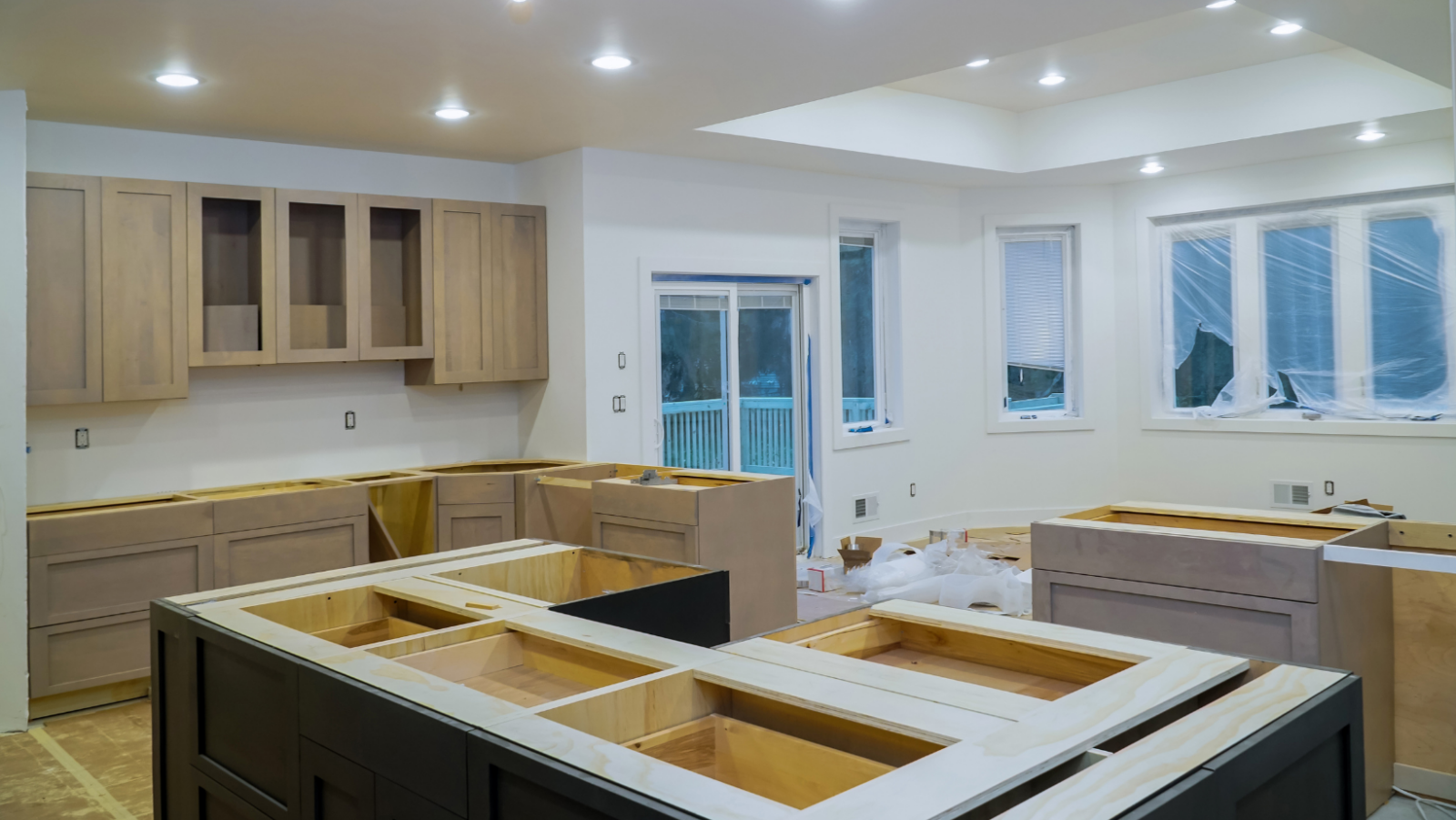

Buying a first home is exhilarating right up until the moment the keys are in hand and the kitchen doesn’t look quite as charming under regular lighting as it did during the open house. The cabinets are tired. The countertop has a scorch mark someone tried to cover with a fruit bowl. The faucet drips on a schedule. And suddenly the renovation budget that seemed generous on a Tuesday looks pretty thin by Saturday.
For first-time buyers, the kitchen tends to be the room where renovation dreams collide with renovation math the fastest. It’s also the room where smart money moves pay off the most – both in daily quality of life and at resale, whenever that day comes. The trick is knowing where to spend, where to wait, and where the entire budget conversation actually starts: the cabinets.
The First-Home Kitchen Is a Different Renovation
A first kitchen renovation is not the same project as a second or third one. The house is new to the homeowner. There’s no track record of how the space actually gets used – which counter ends up cluttered, which corner gathers dust, which drawer gets opened ten times a day. Most experienced renovators recommend living in a new home for at least a few months before committing to major changes, simply because the wishlist on day 30 looks different from the wishlist on day 1.
That waiting period is also useful financially. First-time buyers tend to underestimate the soft costs of moving in – appliances, window treatments, that one unexpectedly broken thing under a sink. Holding off on the kitchen for three to six months gives the budget time to recover and gives the homeowner time to actually understand the space.
When the renovation does start, three priorities tend to deliver the most return:
- A kitchen that works for the homeowner’s actual cooking and entertaining habits
- Materials that hold up to a decade of daily use without looking dated
- A finished result that won’t have to be redone before the next sale
Achieving all three on a first-home budget means making peace with one truth: not every category deserves equal funding.
Why Cabinets Are the Highest-ROI Category
Across most kitchen renovations, cabinets eat up the largest share of the budget – typically 25–35% of total spend. They’re also the most visually dominant element in the room. Walk into any kitchen and the eye lands on the cabinets before it lands on the countertop, the floor, or the appliances. That makes cabinetry the single highest-impact category for budget-conscious renovators: spend wisely here, and the kitchen looks transformed; spend foolishly here, and no amount of nice tile will rescue the project.
For first-time homeowners, the temptation is to either go too cheap (builder-grade thermofoil cabinets that will start peeling within three years) or too expensive (custom cabinets that consume the entire renovation budget and leave nothing for everything else). The smart move sits in the middle.
Ready-to-assemble cabinets – often called RTA – have become the budget-conscious renovator’s secret weapon for exactly this reason. They ship flat, get assembled at home or by an installer, and routinely cost 40–50% less than comparable big-box options. Quality RTA lines from suppliers like BuyWholesaleCabinets use solid wood face frames, plywood boxes, and soft-close hinges as standard – the same construction specs found in cabinets that cost twice as much from a national chain. The savings come from cutting out showroom overhead, not from cutting corners on materials.
The result, for a first home, is meaningful: cabinets that look and feel custom for the price of stock, leaving budget headroom for the finishes that get used every day.
Where to Spend the Cabinet Savings
Once cabinet costs come down, the real planning question becomes where to redirect that money. For a first-home kitchen, three categories tend to deliver outsized lifestyle returns.
The faucet and sink. A well-designed faucet gets used dozens of times a day, every day. A deep, single-bowl stainless sink with a quality pull-down faucet beats a shallow double-bowl with a basic faucet in almost every cooking scenario.
Lighting. Most builder-grade kitchens are under-lit in ways homeowners only notice once they start cooking dinner in November. Layered lighting – recessed overhead, plus under-cabinet, plus a pendant or two over an island or peninsula – transforms a kitchen at relatively low cost. Under-cabinet LED strips alone, often under $100 installed, change how a kitchen feels at night.
Counter surface area. First-time buyers often discover that the limiting factor in their kitchen isn’t the floor plan – it’s the available landing space next to the cooktop and sink. Sometimes the highest-impact change is rearranging cabinets to free up an extra two feet of counter, rather than upgrading the countertop material itself.
These three categories rarely show up on a glossy renovation Pinterest board, but they’re what separates a kitchen that looks nice from one that actually works.
Where to Hold Back
A first kitchen renovation is rarely the forever kitchen. Trends shift, families change, and the dream layout that feels essential at age 28 often looks dated at age 38. A few categories where holding back tends to pay off:

Premium appliances. A $14,000 professional-style range package looks beautiful and depreciates the moment it’s installed. For a first home, a quality mid-range appliance suite ($4,500–$6,500) cooks just as well, lasts roughly as long, and leaves room in the budget for things that don’t depreciate. The induction range and counter-depth fridge can come with the next kitchen.
Exotic countertop materials. Quartz remains the workhorse choice for a reason: it’s nearly indestructible, doesn’t need sealing, and looks current in almost any style. The handmade ceramic, marble, or live-edge wood island that sounds romantic during planning often becomes the source of real anxiety the first time someone sets down a hot pan.
Open-concept demolition. Knocking down a wall is the most photogenic line item in any renovation budget – and one of the most expensive, because of the structural work, electrical relocation, and HVAC adjustments it triggers. First-time homeowners frequently discover, after living in the home for a while, that the wall they wanted to remove was actually doing useful work as a sound barrier or zoning tool. When in doubt, wait a year before swinging a sledgehammer.
A Realistic Budget Model
For first-time homeowners with a kitchen renovation budget in the $20,000–$40,000 range, a workable allocation looks roughly like this:
- Cabinets: 25–30% (lower if going RTA, which frees up money below)
- Labor: 20–25% (slightly less if some demo or finish work is DIY)
- Countertops: 10–15%
- Appliances: 10–15%
- Lighting, faucet, sink, hardware: 8–12%
- Flooring: 5–10%
- Contingency: 15%
The contingency line matters most in older homes. First homes are disproportionately older homes – fixer-uppers and starter properties built in the 1970s or earlier. Once drywall comes off, surprises are the rule, not the exception: outdated wiring, galvanized plumbing, hidden water damage. A 15% buffer is the difference between a project that finishes calmly and one that ends with a difficult conversation about credit cards.
The Renovation That Pays for Itself
There’s a common piece of advice that says first-home renovations should always be made with resale in mind. That’s half true. A kitchen that’s badly customized to one person’s quirks does hurt resale. But a kitchen that’s been thoughtfully renovated within neighborhood norms, quality cabinets, durable surfaces, reasonable layout, typically returns 50–75% of its cost at sale, and recoups even more in the form of years of better daily life in the home.
The goal of a first-home kitchen renovation isn’t to build the dream kitchen. It’s to build the current-budget kitchen that looks great, works well, and doesn’t have to be redone before the next chapter. Get the cabinets right, spend the savings where it matters daily, and hold back where future-you might disagree with present-you.