
How to Clean a Home Sauna the Right Way

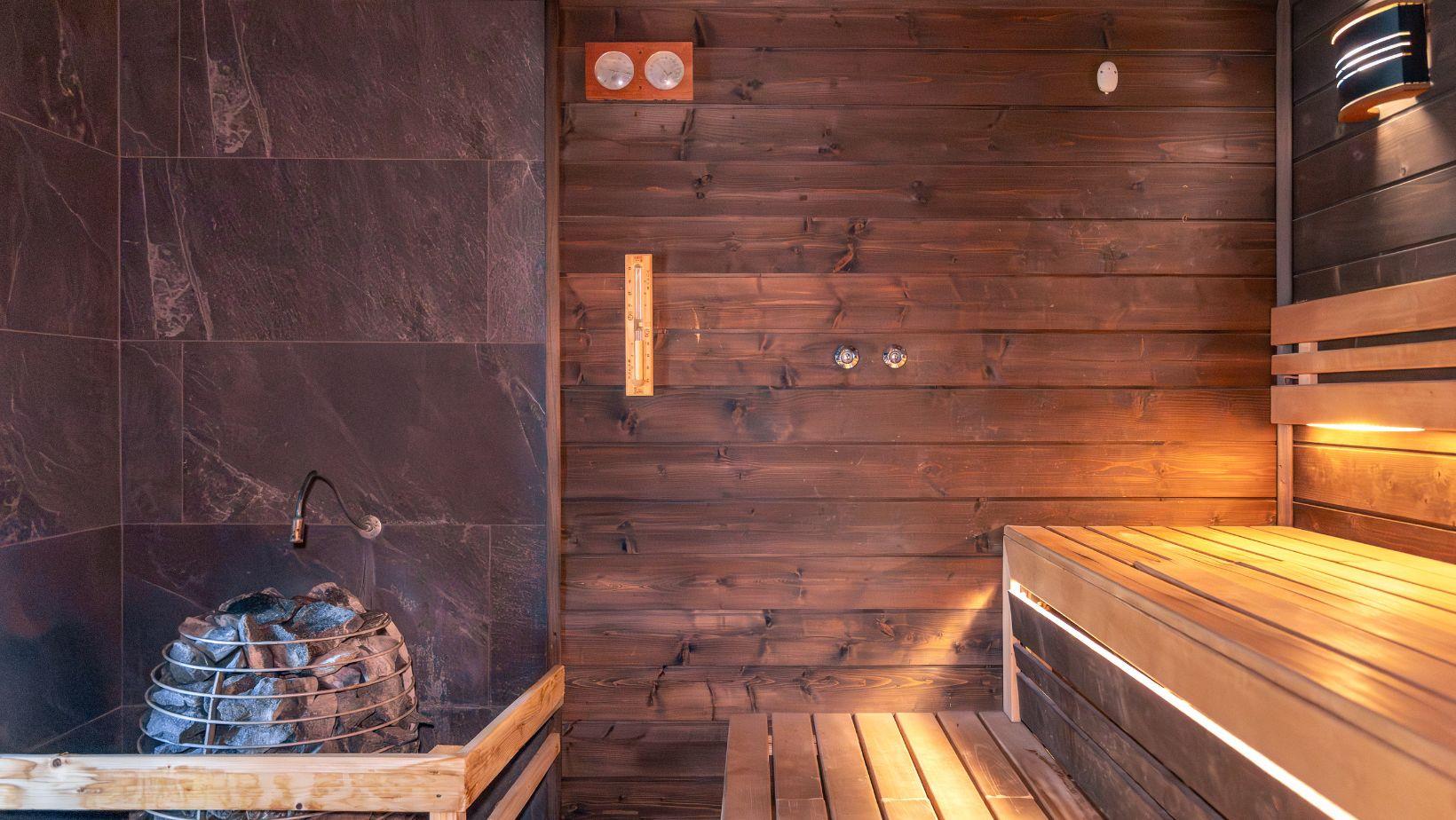

A home sauna combines comfort, wellness, and convenience, making it easy to enjoy a relaxing heat session whenever it fits your schedule. Warm wood, soothing heat, and a quiet space to step away from the demands of the day.
Like any space that’s regularly exposed to heat, sweat, and moisture, a home sauna needs routine care to stay clean and perform at its best.
Skip the cleaning routine long enough and the sauna starts to smell musty, the wood dulls, and bacteria find a comfortable place to settle in. The effects may be gradual, but they become harder to ignore the longer maintenance is postponed.
With the right routine, keeping a sauna clean is simple and doesn’t require specialized products or excessive effort. It just requires knowing what the wood can handle, how often to do what, and which shortcuts actually cause more harm than good. If you’ve invested in a sauna heater, a consistent cleaning routine is one of the easiest ways to protect its performance.
Why Sauna Cleaning Is Different From Regular Cleaning
Most household surfaces are built to survive scrubbing, spraying, and the occasional bleach wipe. Sauna wood is not built that way. Cedar, hemlock, aspen, and basswood are the most common sauna woods thanks to their natural durability and performance in hot, humid conditions. Strong chemical cleaners strip the natural oils out of that wood, dry it out, and eventually cause cracking.
Heat is another important consideration. Any residue left on benches or walls, whether it’s soap, polish, or a strong-smelling cleaner, can bake into the wood the next time the sauna heats up. That means fumes get released into the air people are breathing while trying to relax. Proper sauna cleaning is about more than making the space look clean. It’s about removing buildup without leaving anything behind that could affect future sessions.
The Cleaning Routine, Broken Down
A sauna doesn’t need a deep clean after every single session, but a few habits should happen consistently. The cleaning tasks below are grouped by how frequently they should be performed.
After every use:
- Wipe down the benches with a clean, dry towel to remove sweat before it soaks into the wood.
- Keep the door open for 20 to 30 minutes after each session so that trapped humidity can dissipate and the sauna can dry properly.
- Check the floor for any residue, especially if oils, lotions, or foot products were used inside.
Once a week (for regular use):
- Gently wipe the benches and backrests with a soft cloth and warm water to remove everyday buildup without introducing cleaning products.
- Sweep or vacuum the floor to clear dust, hair, and skin flakes that build up over time.
- Check corners and under the benches, since airflow is usually weaker there and moisture lingers longer.
Once a month:
- Give the whole interior a light cleaning using a mild, sauna-safe cleaner or a diluted vinegar solution.
- Sand down any rough or discolored spots on the benches before they get worse.
- Inspect the heater area and rocks (if it’s a traditional sauna) for dust buildup, since this affects both smell and performance.
This kind of layered routine keeps the sauna from ever needing an intense scrub-down, because small problems get handled before they turn into bigger ones.
What to Use and What to Avoid When Cleaning a Sauna
A sauna requires more careful product selection than most areas of the home, since heat can change how cleaners interact with the wood and air. Heat amplifies whatever gets left behind, so the safest approach is to keep things simple.
Good options include:
- A soft-bristle brush for scrubbing benches without scratching the wood.
- Warm water as the default cleaning agent for weekly wipe-downs.
- A small amount of mild, unscented soap for tougher grime, followed by a thorough rinse.
- White vinegar diluted with water, which naturally cuts through odor and mild buildup without leaving chemical residue.
Things to avoid entirely:
- Bleach or ammonia-based cleaners, which react badly with heat and can damage wood fibers.
- Furniture polish or wood stain products meant for indoor furniture, since they’re not designed to handle sauna temperatures.
- Heavily scented cleaning sprays, which tend to bake into the wood and create an overpowering smell during future sessions.
- Excess water, since saturating the wood can lead to warping over time.
A soft cloth and a bit of patience usually beat any specialty product marketed specifically for saunas. Most sauna-specific cleaning products don’t require anything unusual and can often be replaced with simple household solutions.
Dealing With Sweat Stains and Odor
Sweat stains are the most common complaint from sauna owners, especially on the seating areas. The trick is catching them early. A stain that’s been baked into the wood by repeated heat cycles is much harder to lift than one that’s still fresh.
For light stains, a paste made from baking soda and water works well. Cover the stained spot with the mixture, wait briefly, then clean the surface using a soft brush followed by a damp wipe. For odor, ventilation does more work than any cleaner ever will. A sauna that’s allowed to dry out fully between uses rarely develops a lingering smell in the first place.

If odor has already set in, a bowl of baking soda left inside the sauna for a day or two (while it’s not in use) can absorb a surprising amount of it. Charcoal bags work in a similar way and can be left inside longer term without causing any issues.
Caring for the Heater and Rocks
The heater and rocks tend to get overlooked because they’re not something anyone sits on or touches directly. But dust and mineral buildup on sauna rocks affect the quality of steam and can create a burnt smell during sessions.
Every few months, take time to clean the sauna rocks and look for cracks that could affect performance or safety. Cracked rocks should be replaced, since they can pose a small safety risk when heated repeatedly.
The heater housing itself just needs a light wipe-down and an occasional check to make sure vents aren’t blocked by dust or debris. Whether you have a premium model like a Harvia sauna heater or another electric sauna heater, keeping the rocks clean and the vents clear helps maintain consistent heat and steam.
A Little Consistency Goes a Long Way
A consistent cleaning routine doesn’t have to be time-consuming. Wiping down surfaces after use, giving the sauna a weekly refresh, and completing a monthly maintenance check can help prevent buildup while keeping the wood and air quality in better condition. Keeping up with routine maintenance protects your investment, and SaunaHeaters.com provides guidance and resources to help homeowners maintain their sauna heaters and keep their sauna spaces in good condition.
Cleaning a sauna properly doesn’t require aggressive scrubbing. It’s about consistent care and using the right methods to preserve the sauna’s performance, appearance, and purpose over time.
Author Bio
John is the YouTube lead and resident sauna enthusiast at SaunaHeaters.com. He creates educational videos and written guides covering sauna health benefits, proper installation, ventilation, and best practices. His goal is to make sauna ownership simple, safe, and approachable through clear, practical guidance.
What's Your Reaction?