
Natural Supplements People Are Adding to Their Daily Routines in 2026

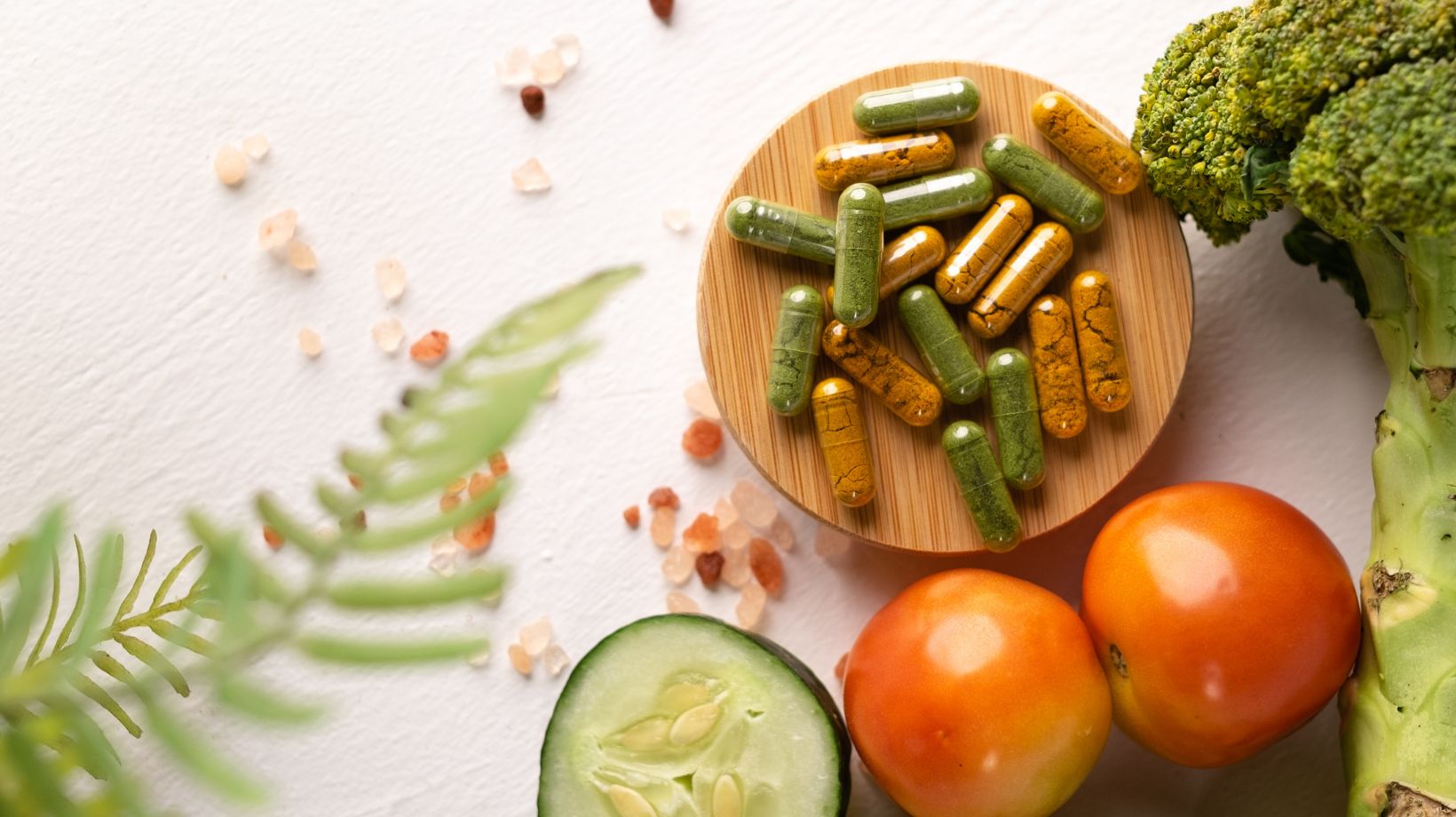
Walk down the supplement aisle of any decent grocery store this year and it looks nothing like it did in 2019. Magnesium has its own shelf tag. Creatine sits near the protein powder instead of behind it. The hemp shelf that Joy Organics helped normalize back when CBD was still treated as a novelty now sits between the fish oil and the probiotics without much fanfare. What changed is not only what people are buying but why. The current wave of interest is less about chasing dramatic transformation and more about closing small, specific gaps in sleep, stress, digestion, and recovery.
That shift in motivation has reshaped what actually sells. Here is what is showing up in medicine cabinets this year, what the evidence behind each one looks like, and how to tell a serious product from an expensive one.
Magnesium, the Quiet Standout
Magnesium has been on shelves for decades, but it took a few years of people talking openly about bad sleep for it to become a staple. Most of the attention has landed on magnesium glycinate, which tends to be gentler on the stomach than the cheaper oxide form that fills a lot of discount bottles. People take it in the evening, usually somewhere in the range of 200 to 400 milligrams, and describe falling asleep with less effort rather than being knocked out.
The research is more modest than the enthusiasm. Magnesium is genuinely involved in hundreds of processes in the body, and a meaningful share of adults fall short of the recommended intake through diet alone. Whether topping up produces noticeably better sleep in someone who is not deficient is far less settled. That gap between mechanism and measurable outcome runs through this entire category, and it is worth holding in mind before spending money on any of it.
Creatine Left the Gym
For twenty years, creatine was shelved with the bodybuilding products and ignored by nearly everyone else. That has changed fast. Women in their forties and fifties are now among its fastest-growing group of users, driven largely by research into creatine’s role in maintaining muscle as people age, plus a smaller and more preliminary line of work on cognition and mental fatigue.
It is also one of the most heavily studied supplements on the market, which is unusual in a field where plenty of ingredients rest on a single small trial. Five grams a day of creatine monohydrate is the standard approach, and the old loading protocols are no longer considered necessary. The one practical note worth knowing is that creatine draws water into muscle tissue, so the scale can jump a pound or two in the first week and mean nothing at all.
Functional Mushrooms Grew Up
Lion’s mane, reishi, and cordyceps arrived as a coffee trend and stayed on as a supplement category. The quality spread here is enormous. Many inexpensive products are made from mycelium grown on grain, which means a large share of what you are paying for is the grain substrate rather than the mushroom itself. Products made from the fruiting body cost more, and the ones worth buying say so plainly on the label, usually alongside a beta-glucan percentage.
The evidence is early. There is preliminary human research on lion’s mane and cognitive function, mostly in older adults and mostly in small samples. Reishi turns up in sleep and stress studies with mixed results. None of it is settled, and any product promising sharper thinking inside of a week is well ahead of the science.
CBD Found Its Actual Job
The CBD boom of the late 2010s promised far more than it delivered, and the market corrected hard. What survived is a smaller and considerably more practical version of the category. People use it for evening wind-down, for the low-grade soreness that builds up over a long week, and for the general edge that stress puts on everything else. Expectations are calibrated lower now, and the products themselves are noticeably better for it.
Third-party testing is what separates a serious product from a bad one. Every bottle should trace back to a batch-specific certificate of analysis showing cannabinoid content along with screening for pesticides, heavy metals, and residual solvents. Joy Organics prints a code on the packaging that pulls up the report for that exact batch, and most established sellers now do something comparable. If you cannot find that document in under a minute, that is your answer.
One more thing worth knowing before you buy. Full-spectrum products contain trace THC, below the federal limit but not zero. Anyone subject to workplace drug testing is better served by broad-spectrum or an isolate.
Fiber Made an Unlikely Comeback
Of everything on this list, fiber is the least glamorous and probably the best supported. Most adults get roughly half the recommended daily intake, and the consequences reach further than digestion. Fiber intake tracks with cholesterol levels, blood sugar stability, and the general health of the gut microbiome, which has become a subject of serious research rather than marketing copy.

Psyllium husk remains the workhorse. It is cheap, well-studied, and unpleasant to drink, which is why it lost ground to prettier products for years. Newer powders taste better and cost more. Either one works. The important part is starting at a small dose and increasing slowly, because going from very little fiber to a full serving overnight is genuinely miserable for a few days.
How to Tell Whether Any of It Is Worth Your Money
Supplements are not reviewed for safety or effectiveness before they reach shelves, which puts most of the evaluation on the buyer. A few checks cover the bulk of the risk. Look for third-party verification from an outfit such as NSF or USP, or at minimum a published certificate of analysis. Compare the dose on the label against the dose used in research, since underdosing a trendy ingredient by a factor of ten is a cheap way to put a buzzword on a bottle. Be skeptical of proprietary blends that give a combined milligram total without breaking out the individual amounts, because that is usually how a small quantity of the expensive ingredient gets hidden behind a large quantity of the cheap one.
Then apply the simplest filter of all. If a product claims to fix several unrelated problems at once, it is describing marketing rather than pharmacology.
A Reasonable Way to Start
The most common mistake is starting four things in the same week and then having no idea which one did anything. One product at a time, given three or four weeks, tells you far more. Take notes if you are the sort of person who will actually take notes, and pay attention to sleep quality and afternoon energy rather than the scale, since those tend to shift first.
It is also worth having a conversation with a doctor or pharmacist before adding anything, particularly alongside prescription medication. Interactions are real and easy to miss. St. John’s wort interferes with a long list of drugs; high-dose fish oil matters a great deal if you are on a blood thinner, and CBD is processed by the same liver enzymes that handle many common prescriptions. Any pharmacist will check that in a couple of minutes, and the call costs nothing.
None of this replaces sleep, movement, or a diet with vegetables in it. Supplements work at the margins, which is a modest claim, and modest claims tend to be the ones that hold up.
What's Your Reaction?