
Postpartum Recovery: The Physical Treatments Nobody Warns You About

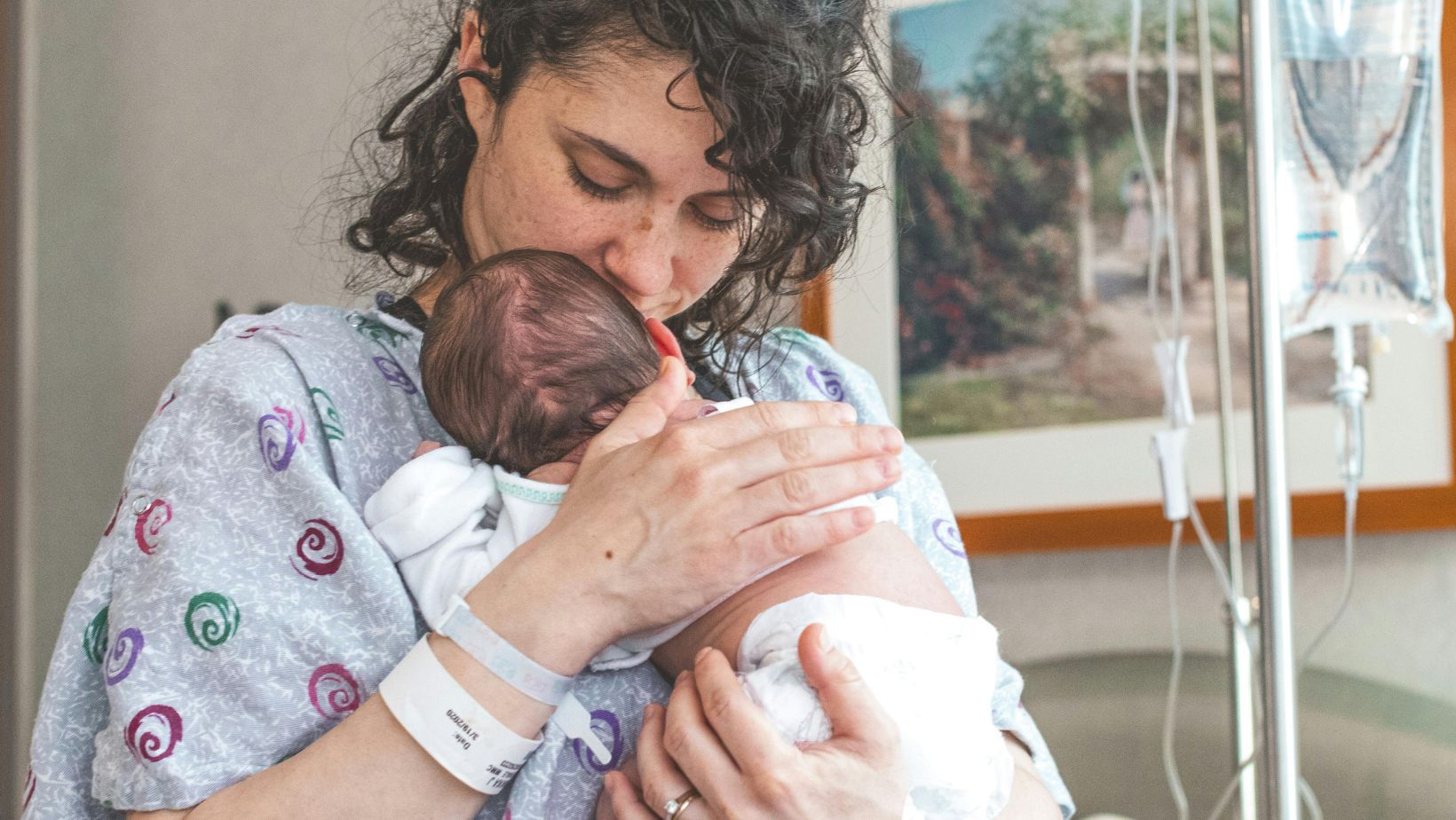

Everyone tells you how magical having a baby will be. What they don’t mention? The reality of what your body goes through afterward.
You’ve probably heard about sleepless nights and diaper changes. Maybe someone warned you about the emotional rollercoaster. But the physical aftermath of pregnancy and childbirth? That part often gets glossed over with vague references to “taking it easy” and “listening to your body.”
The truth is, postpartum recovery involves a whole range of physical challenges that catch many new parents off guard. From pelvic floor dysfunction to abdominal separation, these issues are incredibly common—yet rarely discussed in detail before you’re dealing with them firsthand.
Let’s talk about what actually happens to your body after giving birth, and more importantly, what you can do about it.
The Physical Toll Goes Beyond Fatigue
Yes, you’ll be tired. Exhausted, even. But postpartum physical challenges run much deeper than simple sleep deprivation.
Pregnancy fundamentally changes your body. Your organs shift position to make room for a growing baby. Your abdominal muscles stretch and separate. Your ligaments become more flexible due to hormones like relaxin. Your posture changes as your center of gravity shifts forward.
Then comes delivery—whether vaginal or cesarean—which creates its own set of physical demands and potential complications.
Common Physical Issues After Birth
Many new parents experience:
Diastasis recti: A separation of the abdominal muscles that can cause a visible bulge in your midsection and contribute to back pain and core weakness.
Pelvic pain: Discomfort in the hips, pelvis, or lower back that persists weeks or months after delivery.
Postural problems: Rounded shoulders and forward head posture from feeding, carrying, and constantly looking down at your baby.
Wrist and thumb pain: Often called “mommy thumb” or De Quervain’s tenosynovitis, caused by repetitive lifting and awkward hand positions.
Cesarean recovery challenges: If you had a C-section, you’re recovering from major abdominal surgery while caring for a newborn—no small feat.
These aren’t just minor inconveniences. They can significantly impact your daily life, making it harder to care for your baby and yourself.
Pelvic Floor Health: The Missing Piece of Postpartum Care
Here’s something that should be common knowledge but isn’t: pelvic floor dysfunction affects a significant number of people after giving birth.
Your pelvic floor is a group of muscles that support your bladder, bowel, and uterus. During pregnancy, these muscles are under increased pressure for months. During vaginal delivery, they stretch considerably. Even if you have a cesarean section, the weight of pregnancy alone can weaken these muscles.
Signs Your Pelvic Floor Needs Attention
You might have pelvic floor dysfunction if you experience:
- Urinary incontinence (leaking when you cough, sneeze, laugh, or exercise)
- Urgency or frequency issues with urination
- Difficulty emptying your bladder completely
- Pelvic pain or pressure
- Painful intercourse
- Lower back pain that doesn’t respond to typical treatments
Many people assume these symptoms are just “part of motherhood” and something they’ll have to live with forever. This is absolutely not true.
Getting the Right Help
Specialized pelvic floor rehabilitation can make an enormous difference. A trained physiotherapist can assess your specific situation and create a targeted treatment plan.
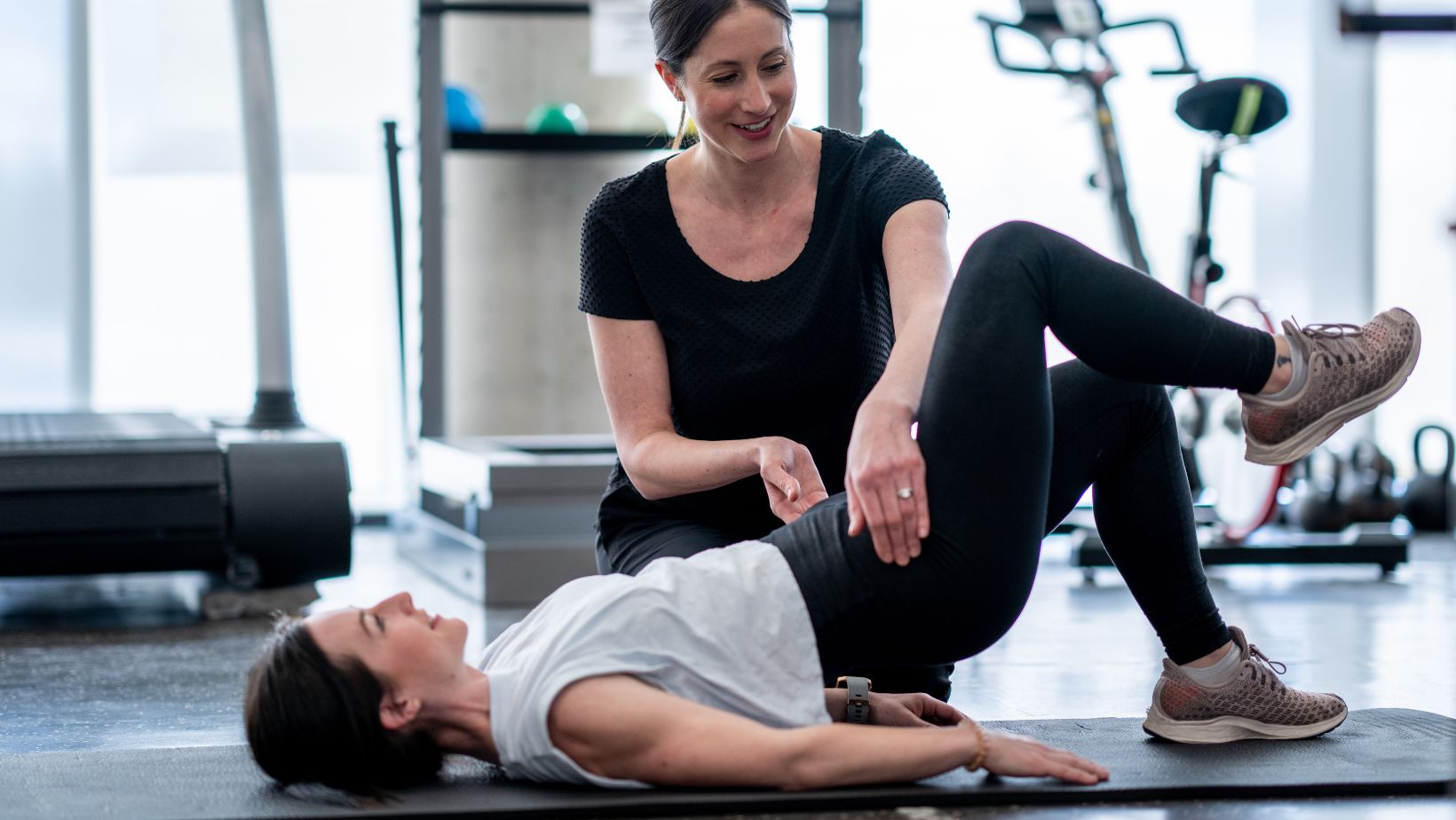
This might include:
Internal assessments: To properly evaluate muscle tone, strength, and coordination (yes, this involves an internal exam, but it’s the most accurate way to assess these muscles).

Individualized exercises: Not all pelvic floor issues require Kegels. Sometimes these muscles are too tight rather than too weak. A professional can determine what your body actually needs.
Manual therapy: Techniques to release tension, improve tissue mobility, and address scar tissue from tears or episiotomies.
Core and postural retraining: Since your pelvic floor works in conjunction with your deep abdominal and back muscles, comprehensive treatment addresses the entire system.
If you’re in the area and experiencing any of these symptoms, seeking pelvic physiotherapy in Waterloo can connect you with specialists who understand the unique demands of postpartum recovery. These practitioners have specific training in treating pelvic floor dysfunction and can help restore your core function, resolve incontinence, and get you back to the activities you love.
When to Seek Help
You don’t need to wait until symptoms become severe. If you’re experiencing any pelvic floor issues—even minor ones—it’s worth getting evaluated. Early intervention often leads to faster, more complete recovery.
Most experts recommend a pelvic floor assessment around six weeks postpartum, regardless of whether you’re experiencing symptoms. This baseline evaluation can identify potential issues before they become problematic and give you tools to prevent future dysfunction.
You Don’t Have to Just Live with It
The postpartum period is challenging enough without dealing with preventable physical pain and dysfunction. Your body has done something remarkable, and it deserves proper care and rehabilitation.
Physical recovery after childbirth isn’t about “bouncing back” or returning to your pre-pregnancy body. It’s about healing properly, building strength strategically, and addressing issues before they become chronic problems.
Whether you’re dealing with incontinence, pelvic pain, abdominal separation, or general weakness, specialized treatment can help. You don’t have to accept these challenges as your new normal.
Talk to your healthcare provider about your symptoms. Seek out professionals with expertise in postpartum rehabilitation. Give yourself permission to prioritize your physical recovery—it’s not selfish, it’s essential.
Your body carried and delivered new life. Now it’s time to give it the support it needs to heal.
What's Your Reaction?