
Smart Tech for Safer Journeys and Savings

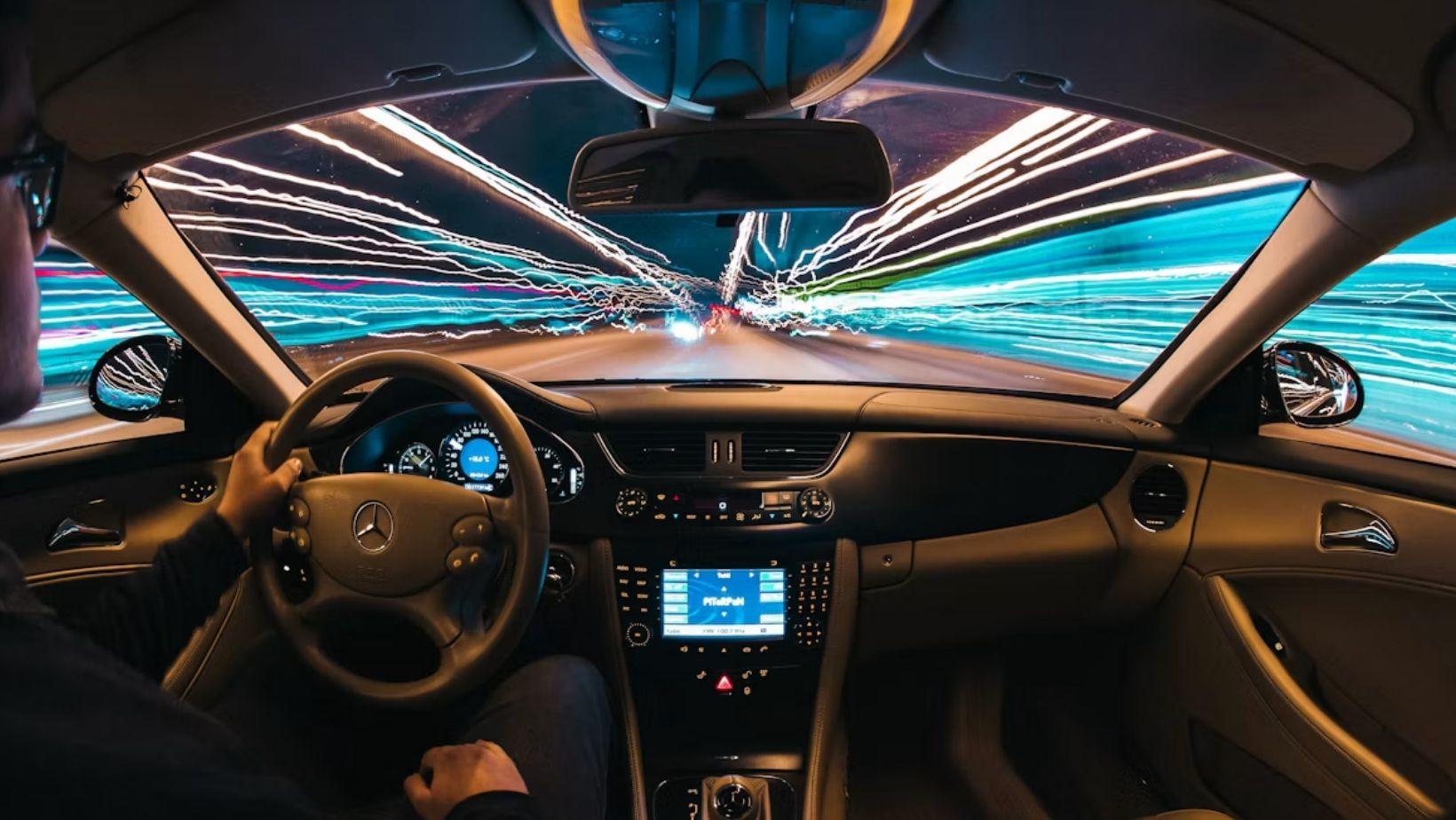

The technology inside our cars has evolved more in the last decade than it did in the fifty years before. What were once considered luxury features are now becoming standard, fundamentally changing our relationship with the vehicles we drive.
This shift isn’t just about comfort and convenience. It’s about creating a safer, more efficient, and more connected experience on the road. From systems that automatically brake to avoid a collision to devices that reward good driving with lower costs, technology is empowering drivers in remarkable new ways.
The Rise of Smart Driving Aids
Modern cars are packed with intelligent systems. These are designed to act as a second pair of eyes and, in some cases, an extra set of hands and feet. These Advanced Driver-Assistance Systems (ADAS) use a network of sensors, cameras, and radar. They monitor the vehicle’s surroundings and help prevent accidents before they happen. You’re likely already familiar with some of them, even if you don’t know their official names.
Anti-lock Braking Systems (ABS) and Electronic Stability Control (ESC) were among the first mainstream smart aids. They worked quietly in the background to help you maintain control during heavy braking or sharp manoeuvres. Today, the technology is far more proactive. Here are some features to look out for:
- Autonomous Emergency Braking (AEB): This system monitors the road ahead for potential collisions with other vehicles or pedestrians. If you don’t react in time, it can automatically apply the brakes to prevent or lessen the impact.
- Lane-Keeping Assist (LKA): Using cameras to read the lane markings on the road, LKA can gently steer the car back into the centre of the lane if you start to drift without indicating.
- Blind Spot Monitoring: This feature uses sensors to detect vehicles in your blind spots. It alerts you with a visual or audible warning, typically a light in your wing mirror.
- Adaptive Cruise Control (ACC): This is a significant upgrade from standard cruise control. ACC automatically adjusts your speed to maintain a safe distance from the vehicle in front, making motorway driving much less stressful.
These systems work together to create a safety net. They reduce the chance of human error leading to an incident. They don’t replace an attentive driver, but they provide crucial support that makes every journey safer for you and those around you.
Understanding Telematics and Savings
Beyond the safety features built into the car itself, another category of smart technology is changing how we think about car ownership costs, especially insurance. This technology is called telematics, often referred to as ‘black box’ technology. A small device is fitted to your car, or a smartphone app is used, to measure and record data about your driving habits. It tracks key metrics like your speed, how sharply you accelerate and brake, and how you take corners.
The purpose of this isn’t to spy on you. Instead, it builds a clear and accurate picture of how you drive. For insurance providers, this data is invaluable. Traditionally, insurance premiums have been calculated using broad statistics based on age, postcode, and the type of car you drive. This can often feel unfair, especially for careful young drivers who get grouped in with a higher-risk demographic.
Telematics changes this by focusing on your individual behaviour. Showing that you are a safe and responsible driver helps you earn significant discounts on your premium. It’s a system that rewards good driver behaviour and improves safety, creating a powerful incentive to drive more smoothly and cautiously.
This data-driven approach is particularly beneficial for new drivers facing high initial insurance costs. If you’re looking to get on the road without spending too much, it’s a great option to explore. You can learn more about Young Driver Insurance through Marmalade to see how these policies work in practice. The feedback from the telematics system can also be a useful learning tool. It helps you identify and correct habits that might be costing you money or increasing your risk on the road.
Apps That Improve Your Drive
Your smartphone is one of the most powerful tools you have, and its usefulness extends directly into your car. While navigation apps like Waze and Google Maps are essential for finding the quickest route, a whole ecosystem of other applications can make your driving life easier, cheaper, and safer.
For saving money, apps like PetrolPrices let you compare fuel costs at local garages. This ensures you always find the best deal before you fill up. Parking can be a major headache in busy towns and cities. But apps such as JustPark or RingGo let you find, book, and pay for parking spots in advance. This removes the stress of circling the block looking for a space. Some even let you rent out a private driveway, often at a lower cost than a traditional car park.
Beyond logistics, some apps are designed to improve your driving skills directly. Apps like Drivemode and Android Auto simplify your phone’s interface while driving. They present large, easy-to-press buttons for essential functions like music and calls. This helps to minimise distractions and keeps your attention focused on the road.
Other apps use your phone’s built-in accelerometer and GPS to provide feedback on your driving style, much like a telematics box. They can score your journeys based on smoothness, speed, and anticipation. This gives you actionable insights to become a better driver without being tied to a specific insurance policy.
Connecting Car and Driver
The link between our cars and our digital lives is becoming increasingly seamless. The days of fumbling with AUX cables or poor-quality Bluetooth connections are being replaced by sophisticated in-car infotainment systems that fully integrate with your smartphone. Platforms like Apple CarPlay and Android Auto are leading this shift.
When you connect your phone, the car’s central touchscreen transforms into a familiar, user-friendly interface that mirrors your device. This allows you to safely access your navigation, music, podcasts, and messaging apps using the car’s built-in controls or voice commands.
The design is deliberately simplified to reduce distraction. This ensures you can control your digital world without taking your eyes off the road or your hands off the wheel. It centralises everything you need, from receiving directions to taking a hands-free call, into one predictable and safe system.
Car manufacturers are also developing their own dedicated apps that create a permanent connection to your vehicle. These apps allow you to perform a range of remote functions. Forgotten whether you locked your car? You can check and lock it from your phone. On a cold winter morning, you can pre-heat the cabin before you even leave the house.
For electric vehicle (EV) owners, these apps are essential for checking the battery status, managing charging schedules, and locating charging stations. This constant link between car and driver provides a new level of convenience and control.
Future of Driving Technology
The pace of innovation in automotive technology shows no signs of slowing down. The smart aids and connectivity features we have today are just the beginning. Looking ahead, the next big leap will be in how vehicles communicate not just with the driver, but with each other and the world around them.
This is known as V2X, or “Vehicle-to-Everything,” communication. It will allow cars to share real-time information with other vehicles (V2V), infrastructure like traffic lights (V2I), and even pedestrians (V2P). Imagine your car receiving a warning that a vehicle several cars ahead has just braked sharply. This would give you time to react before you can even see it.
Or picture traffic lights that communicate with your car to advise the optimal speed to travel at to catch a “green wave.” This improves traffic flow and fuel efficiency. This interconnected network has the potential to drastically reduce accidents and congestion, making our roads safer and more efficient for everyone. Studies show that vehicle telematics for urban sustainability is a key area of research for creating smarter cities.
Artificial intelligence (AI) will also play an even bigger role. Driver monitoring systems will become sophisticated enough to detect signs of fatigue or distraction and suggest taking a break. In-car assistants will become more conversational and predictive. They will be capable of learning your routines and proactively suggesting routes, music, or calls.
While fully self-driving cars for personal ownership may still be some way off, these incremental steps are steadily building towards a future where technology takes on more of the driving burden. This frees us up and ensures every journey is as safe as it can possibly be.
The smart technology in our cars is no longer a novelty. It’s an essential part of the modern driving experience. Understanding and using these tools helps you not only make your journeys safer but also save money and reduce stress along the way.