
The Complete Guide to Caring for Color-Treated Hair Without Sacrificing Scalp Health

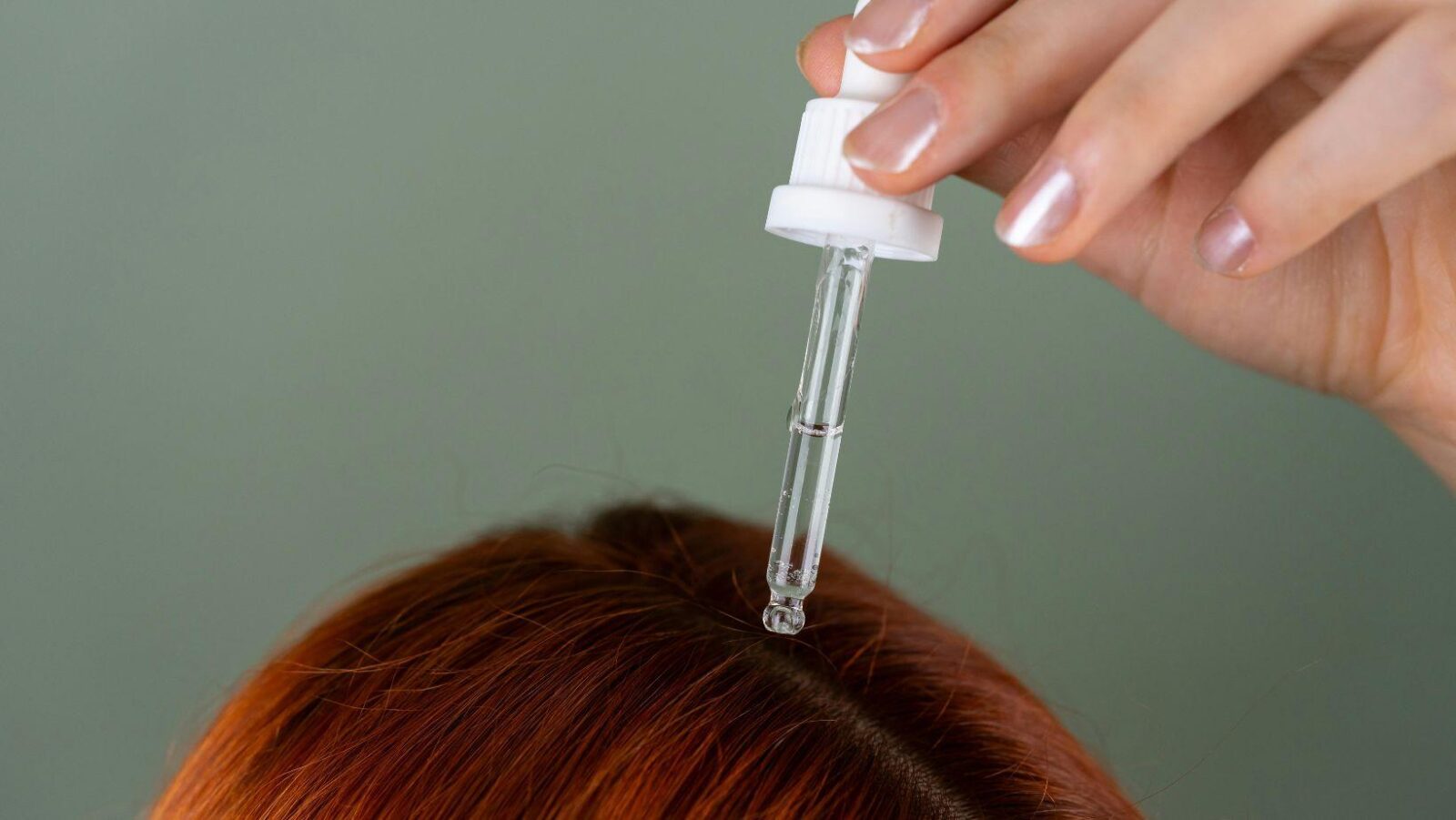

Coloring your hair changes more than just the shade. The chemical processes involved in dyeing open the hair cuticle, alter the protein structure, and affect the scalp environment. Many people focus entirely on protecting their color while ignoring the scalp underneath. The result is hair that fades faster and a scalp that becomes irritated, flaky, or dry. Taking care of both at once is not only possible but makes your color last longer and your hair look healthier overall.
Why Scalp Health Affects Color Longevity
The health of your scalp directly impacts the condition of your strands at the root. When the scalp is inflamed or producing excess oil in response to dryness or irritation, hair grows in a compromised state and color tends to fade unevenly. Flaking and buildup on the scalp also affect how dye adheres to the root area, which is why touch-ups sometimes look inconsistent.
If you have an existing scalp condition like dandruff or seborrheic dermatitis, coloring your hair can aggravate it. Harsh clarifying shampoos strip both dandruff-causing buildup and color molecules simultaneously. Finding products that address scalp issues without aggressively lifting pigment solves this problem efficiently.
Choosing the Right Products for Color-Treated Hair with Scalp Issues
The product category to look for is specifically formulated shampoo that targets dandruff while being safe for color. Many anti-dandruff shampoos on the market use sulfates and zinc pyrithione concentrations that are too aggressive for chemically treated hair. A dandruff shampoo for color treated hair uses gentler active ingredients that control flaking and scalp irritation without stripping the pigment you worked hard to achieve.
Beyond shampoo, your conditioning routine matters just as much. Color-treated hair loses moisture through the cuticle damage caused by the coloring process. Lightweight, hydrating conditioners formulated for dry or damaged hair help seal the cuticle and preserve both moisture and color between washes.
Best Practices for Washing Color-Treated Hair
Washing frequency plays a large role in how long your color stays vibrant. Every wash strips some pigment, so extending the time between washes helps. When you do wash, use cool or lukewarm water rather than hot, as heat opens the cuticle and accelerates color loss. Apply conditioner generously and leave it on for at least two to three minutes before rinsing.
Consider adding a weekly deep conditioning treatment, especially in the weeks after coloring. Products with ingredients like keratin, argan oil, or ceramides help rebuild the damaged cuticle structure and reduce the brittleness and dullness that commonly follow chemical treatment.
Ingredients to Avoid and Ingredients to Seek Out
Avoid shampoos containing sodium lauryl sulfate in high concentrations, as this detergent strips both oils and color effectively. Also watch out for alcohol-heavy formulas and heavy clarifying agents that are designed to remove buildup at the cost of your color.
Look for products with piroctone olamine or salicylic acid for dandruff control alongside color-safe surfactants. Ingredients like panthenol, glycerin, and botanical extracts help restore softness and shine.

Frequently Asked Questions
Can I use a dandruff shampoo if my hair is color treated? Yes, provided you choose one that is specifically formulated to be safe for color-treated hair. Standard dandruff shampoos can strip color quickly, so the formulation matters.
How often should I use a dandruff shampoo on color-treated hair? Most people do well using it two to three times per week, alternating with a gentle color-safe shampoo on other wash days.
Will anti-dandruff shampoo dry out my colored hair? It depends on the formula. Products designed for color-treated hair include moisturizing agents that counteract the drying effects of dandruff-fighting ingredients.
Can I dye my hair if I have dandruff? Yes, but it is a good idea to manage the scalp condition first if it is severe. An irritated scalp may be more sensitive to color chemicals, and dye can temporarily worsen flaking.
What's Your Reaction?