
How to Start Running in 2026 If You’ve Never Run Before

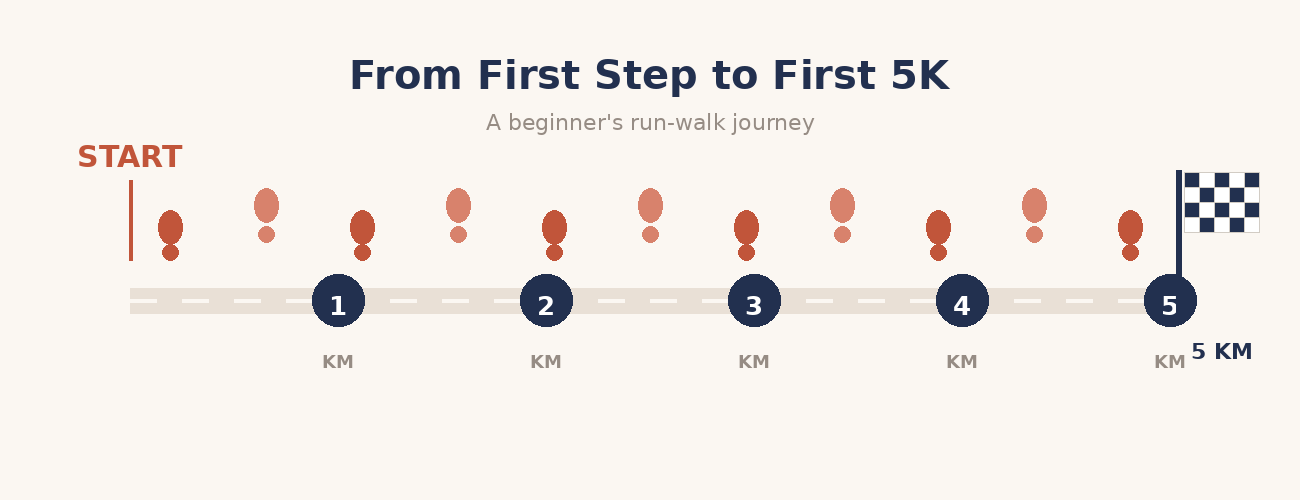

Lacing up for the first time can feel intimidating, yet running remains one of the most accessible ways to build fitness in 2026. It requires no gym membership, no teammates, and very little equipment beyond a decent pair of shoes. This guide breaks down how to start running safely, build confidence week by week, and make it a lasting habit.
Modern technology has made the journey easier than any previous generation experienced. Beginners now train alongside apps that map routes, track pace, and reward small wins, while a broader digital sports ecosystem keeps athletics visible and motivating. That ecosystem stretches from live race streaming to the canada sports betting platforms audiences use to follow elite marathons, and its data-driven culture helps new runners measure progress objectively rather than guessing.
Why 2026 Is a Great Year to Start Running
There has never been a simpler moment to start running, thanks to affordable wearables, free coaching apps, and online communities. Public health data adds a nudge as well: Canada’s 24-Hour Movement Guidelines recommend at least 150 minutes of moderate-to-vigorous activity each week, yet ParticipACTION reports that fewer than half of Canadian adults meet that target. A short, regular run helps close the gap.
Choose the Right Shoes and Skip the Rest
The right shoes matter far more than any gadget for a first-time runner. A proper fitting at a specialty store helps prevent blisters and protects the knees and hips, while breathable clothing and a water bottle cover everything else a beginner needs.
The Run-Walk Method: A Four-Week Starter Plan
The run-walk method is the gentlest way to build endurance without burning out. It alternates short bursts of running with recovery walks, gradually shifting the balance toward more running as fitness improves. The four-week plan below assumes three sessions each week and can be repeated whenever a stage feels too hard.
|
Week |
Run interval |
Walk interval |
Repeat |
Total time |
|
Week 1 |
1 minute |
2 minutes |
x8 |
about 24 min |
|
Week 2 |
2 minutes |
2 minutes |
x6 |
about 24 min |
|
Week 3 |
3 minutes |
2 minutes |
x5 |
about 25 min |
|
Week 4 |
5 minutes |
2 minutes |
x4 |
about 28 min |
Three sessions per week. Move to the next week only when the current stage feels comfortable.
Build Mileage Slowly and Stay Injury-Free
Adding mileage too quickly is the most common reason beginners get hurt or give up. Coaches widely recommend the ten percent rule, which means increasing weekly running time or distance by no more than ten percent from one week to the next. Rest days, gentle warm-ups, and post-run stretching protect the body and keep each session enjoyable.
Expert tip Use the talk test to find the right pace. If a runner can hold a conversation but not comfortably sing, the effort sits in the ideal moderate zone for building endurance.
Stay Motivated and Track Every Step
Staying motivated is often harder than the running itself. Setting a concrete goal, such as a local 5K or a fixed number of weekly sessions, gives training a finish line to chase. Sharing progress with an online group turns solitary miles into a shared experience, and the same phone that already holds sports betting apps can double as a simple training log.
“Every experienced runner was once a beginner who refused to quit after the first hard week.”
Beginner Running FAQ
New runners tend to ask the same practical questions before their first session.
Q: How many times a week should a beginner run?
A: Most starter plans suggest three sessions per week, with rest or gentle walking days in between so the body can adapt.
Q: How long until a beginner can run 5K?
A: With consistent training, many people move from run-walk intervals to a continuous 5K within eight to ten weeks.
Q: What should a new runner do about aches and pains?
A: Mild muscle soreness is normal, but sharp or lasting pain is a signal to rest and, if it continues, see a health professional.
The First Step Is the Hardest
The hardest step in any running journey is the first one out the door. By starting with the run-walk method, respecting recovery, and using today’s digital tools, a complete beginner can build a routine that lasts well beyond 2026. Consistency, not speed, turns a nervous first attempt into a lifelong habit.
What's Your Reaction?