
European vs. American Online Roulette: What Are the Key Differences?

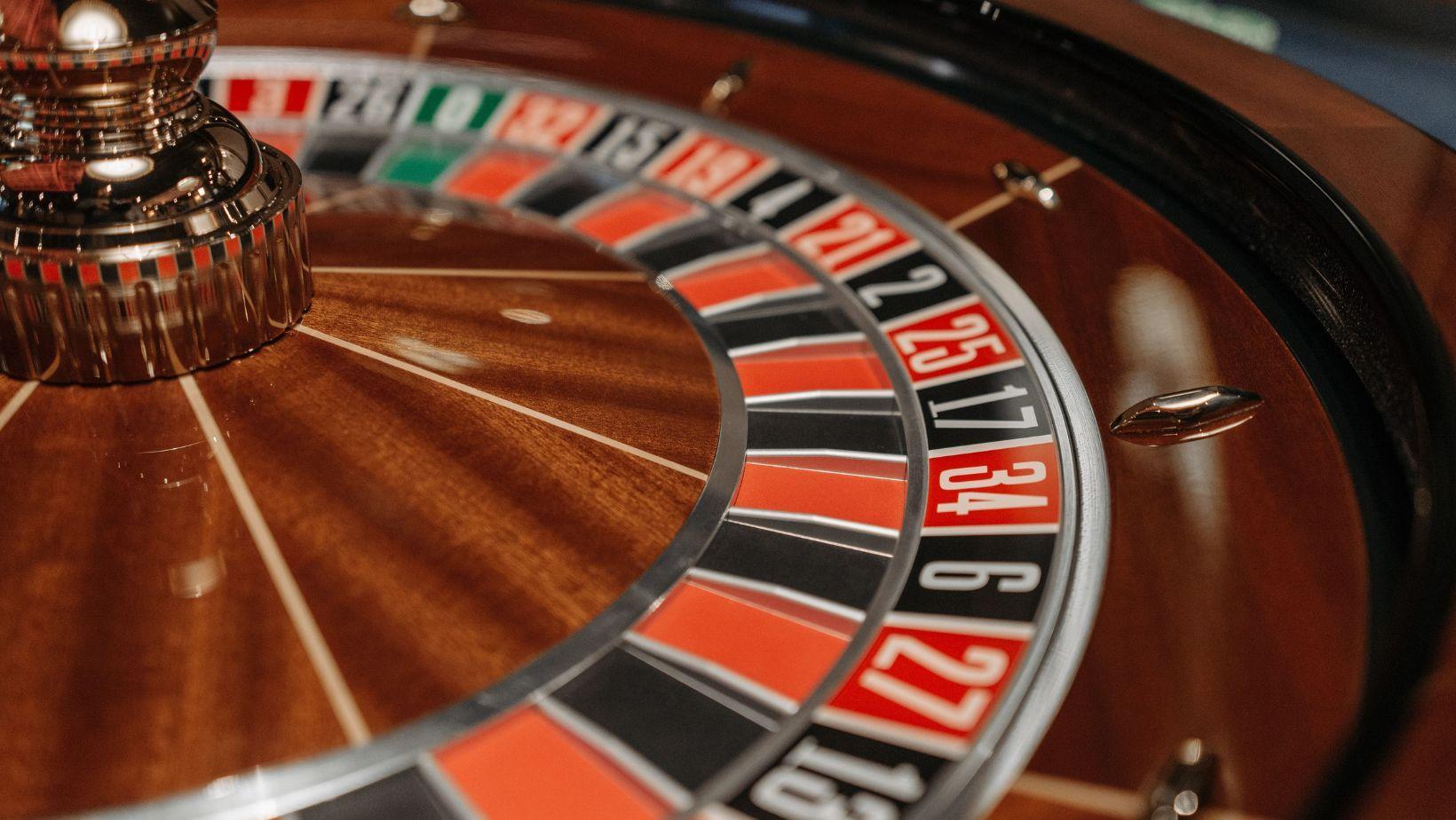

European and American roulette share the same basic principle. Players select numbers or groups of numbers before a ball settles into one of the wheel's numbered pockets. Yet the two versions are not mathematically identical.
The main distinction involves the number of green pockets, which influences probabilities and the available wagers. Other differences become apparent when examining table layouts and special rules. Understanding these details helps players recognise each format and interpret its features before exploring the different betting options available online today.
The Wheel Structure and Number Layout
The most obvious difference between European and American roulette becomes clear when examining their wheels. European roulette contains 37 pockets, numbered from 1 to 36, alongside one green pocket marked zero.
American roulette introduces another green pocket labelled 00. That addition increases the total to 38. It may seem insignificant, but it changes the probability of the ball landing on any particular number.
On a European wheel, each number has a 1-in-37 probability of appearing. The American equivalent offers a 1-in-38 probability. These figures assume a fair wheel, with every pocket equally likely to receive the ball.
Players exploring online roulette will also notice differences in how numbers are arranged around each wheel. Both versions use red and black pockets, although the sequences differ. The green pockets provide the clearest identification. A single zero indicates European roulette, while the appearance of both 0 and 00 identifies the American format.
House Edge and What It Means for Players
Adding a second zero changes more than the wheel's appearance. It also affects the mathematical house edge, which measures the expected proportion of wagers retained by the game over extensive play.
European roulette carries a standard edge of approximately 2.7%. American roulette increases that figure to 5.26%. The difference comes from the additional pocket rather than any adjustment to ordinary winning payouts.
Consider a straight-up wager covering one number. Both versions pay 35:1 when that number appears. However, the American wheel contains 38 possible results instead of 37. Even-money selections face a similar distinction, with two green pockets rather than one.
These percentages describe long-term mathematical expectations. They cannot predict the outcome of a particular spin or short session. Every completed spin is independent of previous results. The difference between the two house edges becomes meaningful when comparing their underlying probability structures, not when attempting to anticipate individual outcomes.
The Betting Layout and Available Wagers
Despite their different wheels, European and American roulette share most conventional betting options. Players can select individual numbers, adjacent pairs, three-number streets, four-number corners, or six-number lines.
Outside wagers also remain familiar. Red or black, odd or even, high or low, dozens, and columns appear on both tables. Their standard payouts are identical, regardless of which wheel accompanies the layout.
The American table also offers a distinctive five-number selection, commonly called the basket bet. It covers 0, 00, 1, 2, and 3, with a payout of 6:1. Its house edge is approximately 7.89%, higher than that of standard American roulette wagers such as straight-up bets.
European roulette instead offers a four-number first-four wager covering 0, 1, 2, and 3, paying 8:1. The absence of double zero explains the difference. Neither selection represents an additional advantage. Both simply reflect their respective wheel structures, with the American version requiring one extra number to be included.
French Betting Options and Call Bets
Some European roulette tables offer special wagers based on the order of numbers around the wheel rather than their positions on the betting layout. Often called French bets or call bets, these selections cover groups of neighbouring pockets.
The Voisins du Zero selection includes 17 numbers positioned near the green zero. Tiers du Cylindre takes in 12 numbers from another section of the wheel. Orphelins accounts for eight numbers that fall outside those two arrangements.
Another option, Neighbours, allows players to select a particular pocket together with nearby numbers. Several chips are needed because each selection covers multiple positions. The number of chips depends on the combination being used.
At traditional tables, dealers arrange these selections when requested. Digital versions may provide shortcuts that automatically distribute the necessary chips. These combinations follow the European wheel's distinctive numbering sequence. American roulette uses a different arrangement, including an additional zero, so its conventional table does not feature the same established French selections.
La Partage and En Prison Rules
The standard European roulette format has a 2.7% house edge. However, certain tables apply additional conditions to even-money wagers when zero appears. These conditions are known as La Partage and En Prison.

With La Partage, players do not forfeit their entire wager following a zero result. Instead, the table returns 50% of the original amount. The other half is retained, and the selection is settled without another spin.
En Prison introduces an additional stage. When zero appears, an eligible even-money wager remains on the table for another spin. If the next result wins, the original stake is returned without additional winnings. If it loses, the stake is forfeited. Rules for another zero can vary by table.
Both arrangements can bring the mathematical house edge on eligible even-money selections down to approximately 1.35%. Neither is guaranteed to appear simply because a table uses a European wheel. Players should examine the published rules to establish whether these conditions are available and how they are applied.
Choosing Between the Two Formats
Comparing European and American roulette begins with a simple observation: one wheel has 37 pockets, while the other has 38. That structural distinction influences probabilities even though most familiar wagers remain available in both formats.
European roulette uses one green zero and may include French betting combinations or special zero rules. American roulette includes both 0 and 00, along with its distinctive five-number basket selection.
The standard payouts for shared wagers remain unchanged. A straight-up selection pays 35:1 in either version, while conventional even-money wagers pay 1:1. The mathematical differences arise from the number of possible outcomes rather than the advertised payout figures.
Online tables generally identify their format in the game title or information panel. Players can also inspect the wheel and available selections directly. These details provide a clearer understanding of each version's structure without relying solely on its name.
Two Wheels, Different Mathematical Foundations
European and American roulette may appear almost identical during play, but their wheel structures create measurable differences. The additional zero on the American wheel changes probabilities, while European tables may offer French bets and special settlement rules.
For players, the most useful reference points are the wheel layout, available wagers, and published table rules. Checking these details makes it easier to distinguish the two formats and understand how each operates. The familiar spinning wheel remains central to both versions, despite their mathematical differences.