
Has the Per-Spin Stake Cap Influenced UK Gamblers in Any Way?


A lot of movement has been going on in the British gambling scene over the last few years. It has garnered both criticism and reverence for the way it does the needle-moving work that would help with the fight against the public health hazard that is addiction to betting.
Naturally, breaking the barrier between theoretical hopes and actual results is quite difficult. A market as big and as enthusiastic about gambling as the one from the UK shows that it’s far from predictable, regardless of the methods taken in the interest of keeping things under control.
Many measures that have been added to the 2005 Gambling Act have been to keep the market under a certain level of oversight that does not infringe upon the rights of the player, but also keeps play from becoming toxic or overbearing.
In this article, we will talk about one of these steps. Namely, a really interesting move that the UKGC decided to implement for the entire ecosystem that it oversees is the cap on the bet that users can play while using slots.
What is this cap on the maximum bet?
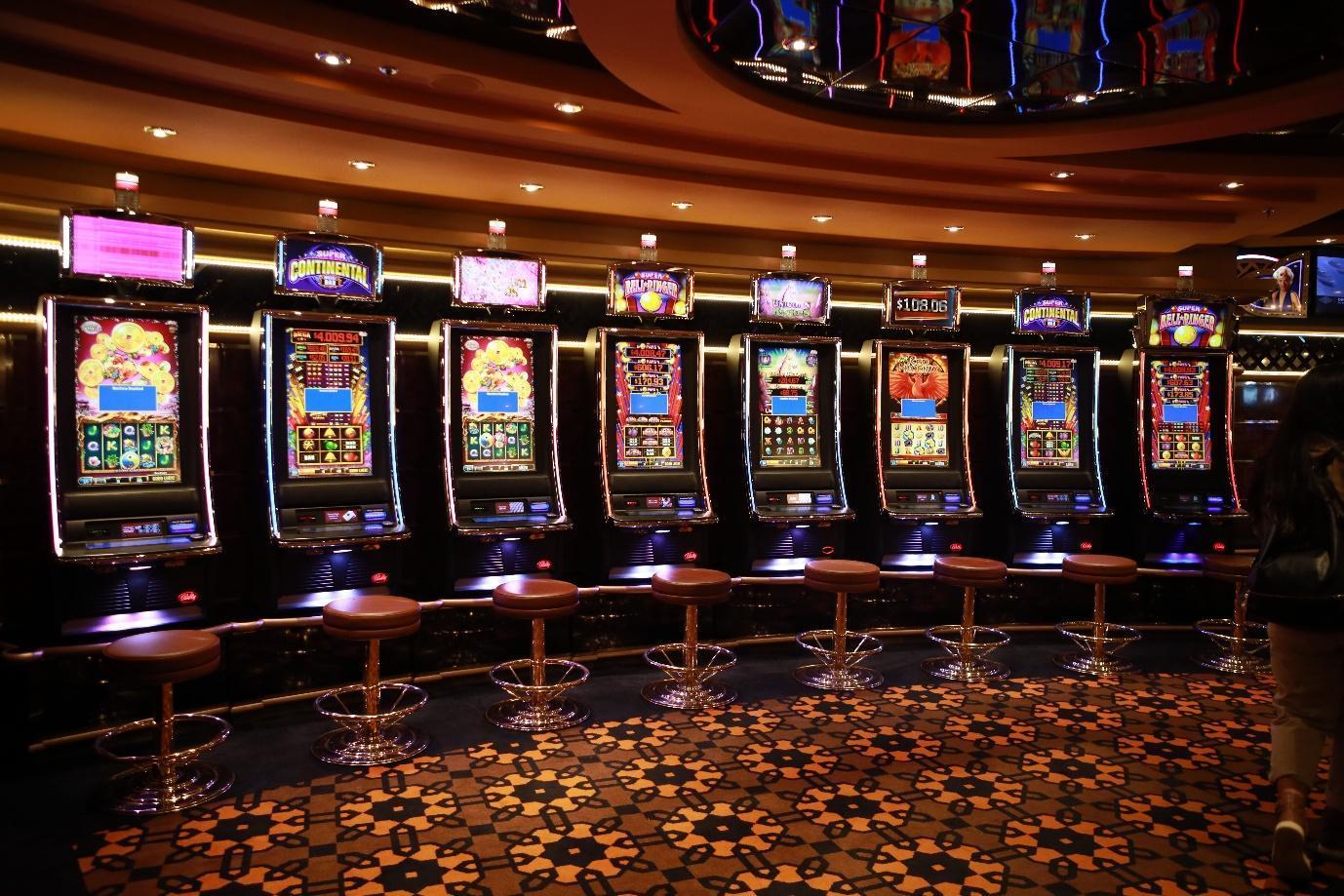
It’s an artificial limitation on the maximum amount of money that a given player can spend on a specific bet while playing an online slot machine. It makes it so that, while the user modifies their stakes during gameplay, either via paylines or coin amount, the total amount that they can go for on any given hand cannot surpass the legal threshold.
Casinos and game providers must make it so that the user does not have access to any sum above those limits. The entire system comes via a detailed UKGC online slots stake limit guidance, which came after a series of consultations in 2023 and after a 2024 confirmation.
It went as follows:
The legal mechanism made it so that all the licensed casinos would have this requirement as part of the certification agreement via a Statutory Instrument. Quite importantly, this measure only applies to slots, described as reel-based games, and has at least 2.5 seconds between its gameplay cycles.
Its implementation follows wider responsible gambling initiatives
While the measure is quite important in itself, it’s essential to note that none of the Gambling Commission’s methods comes in a vacuum. Instead, they are cogs in a methodology whose main pursuit is to ensure that player safety is the purpose.

Another one that is about entering the market at the end of September 2026 is a redefinition of the deposit limit. Now, every player must know that this limitation refers directly and only to the gross money that they put into their account, not net spending or wagering. As such, the idea is to ensure strict budgeting.
A further one would be the elimination of cross-selling gambling products within a platform. Casinos that also have sports betting in their structure must allow users, new or existing, to opt into marketing material specifically and also separately.
It also applies to bonuses. The idea of cross-promotion used to allow operators to bet on casino games to receive sports betting bonuses, and vice versa. Now, any offer must provide an incentive for the same product.
In the same decision to implement socially responsible incentives, a cap on bonus wagering became active at 10x, helping users not to have immense gambling sessions because of the rollover requirements.
Operators adapt by not pushing overspending as high rolling
The way casinos market and frame their services has had to change because compliance has made them do so. It’s a somewhat complex structure that emphasizes user protection via a methodology of not overly-promoting or pushing gambling practices that can easily degenerate into addiction.
This set of caps is quite simple in the way it affects operators. They must allow users, either via incentivization or overall marketing tone, to be circumspect and careful about the way they push gaming.
As we will see in a later section regarding the data that the UKGC sourced through its reporting, the results are quite fascinating when considering the idea of discouraging overspending.
Producers shape the gaming loop to fit this structure
The gaming studios that create the experiences financed by the bets that the UKGC has decided to put a threshold on. As such, they’re the ones who must know how to create gameplay loops that can work at any level of betting.


In fact, some of the ways in which UKGC-licensed game producers work toward recalibration are to provide proper RTP rates and not to rely on high volatility structures, per the SlotsCalendar analysis on the releases from the past calendar year.
This is the case specifically because big bets on such a volatility level would invite players to hope for a big win. Now that the slot experience is more uniform and consistent, large stakes per hand lose their practical shine.
Slot usage data from the latest UKGC report
Before showcasing and explaining the findings that would explain how this change has impacted the market, contextualization is due.
The UKGC has a series of reports that it publishes quarterly, and then an aggregate one for the fiscal year. The latest gaming business data report, covering the period between March and May 2026, uses data from about 70% of the market share via information sourced from the biggest operators across all the main verticals.
This is where we find some interesting data. Remember that the bet cap measure for slots entered into effect in April/May 2025. Here are some metrics that can help us get a better sense of what’s going on:
Conclusion
The conclusion is quite clear: there is an increase across the board, both in terms of how many users engaged in slot gaming and in the overall market expenditure. Players simply made more bets, even if their value was under such a cap.
As a result, the ultimate result of this limitation is a bit of a question market. It didn’t deter users, nor has it eaten away at the yield that operators registered.
Regardless of the reality that it showcases, it’s important to note that responsible gambling should still be the number one priority!