
Fall Bouquet Ideas: How to Choose the Perfect Seasonal Flowers for an Elegant Autumn Look

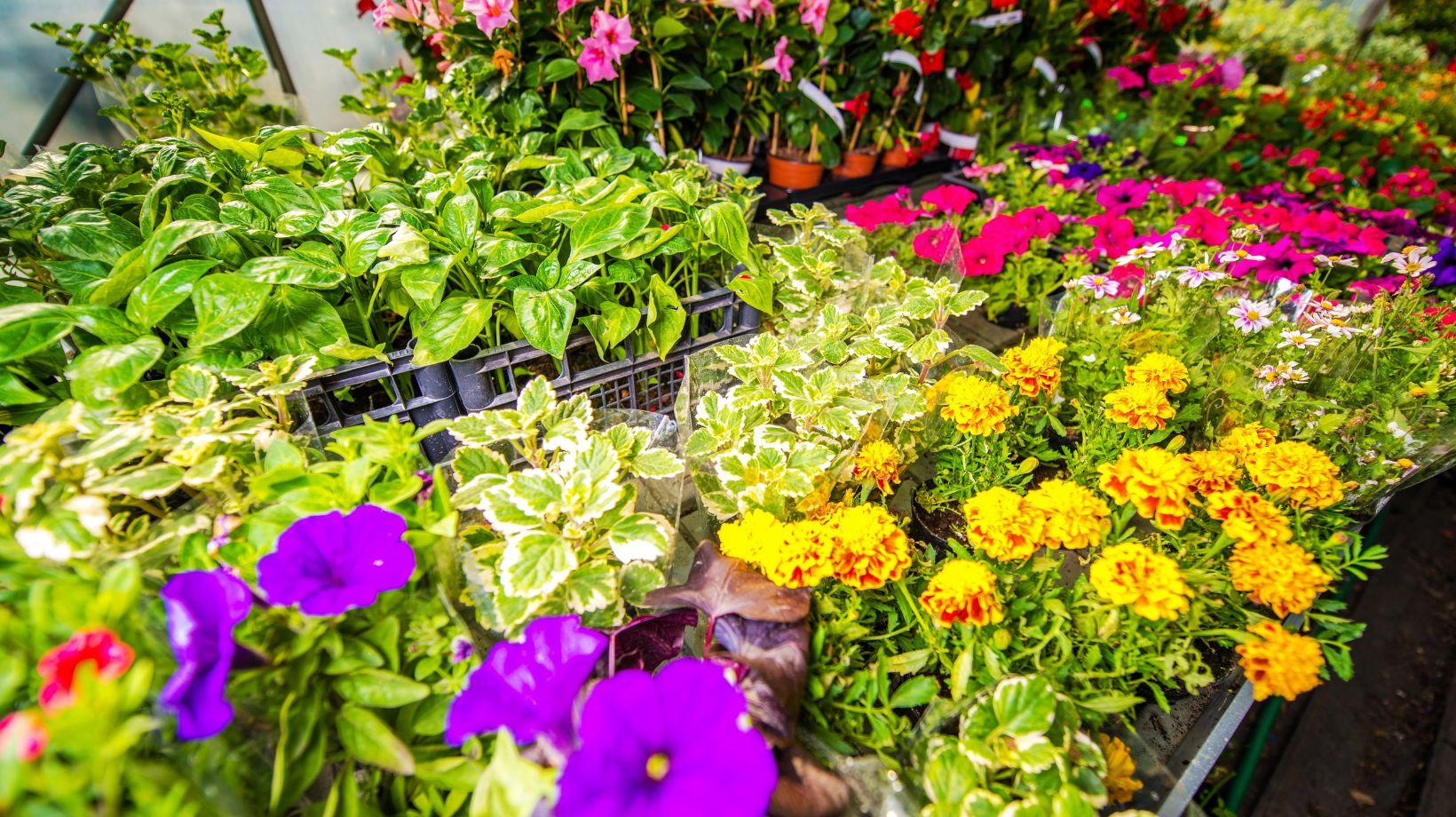

Autumn is one of the most inspiring seasons for floral design. As the landscape changes, flowers in warm orange, golden yellow, copper, and soft peach shades become especially appealing. These colors reflect the season’s atmosphere and make bouquets feel cozy, welcoming, and full of character.
Creating an elegant autumn arrangement does not mean choosing only dark or traditional fall colors. Bright flowers can look just as sophisticated when combined with softer shades and interesting textures. Orange daisies, ranunculus, alstroemeria, and yellow pom pom flowers are excellent examples. Each variety brings something different to a bouquet, from delicate petals to rounded shapes and rich seasonal color.
The secret to a beautiful autumn arrangement is balancing color, shape, and volume. Whether you are choosing flowers for a special occasion, decorating your home, or preparing a thoughtful seasonal gift, understanding how different blooms work together will help you create something memorable.
Fall Bouquet Ideas: How to Choose the Perfect Seasonal Flowers for an Elegant Autumn Look
A successful autumn bouquet starts with a clear color palette. Instead of combining every seasonal shade, choose two or three main colors and build the arrangement around them. This keeps the flowers coordinated while letting individual varieties stand out.
Orange and yellow are classic autumn choices, but you can use them in different ways. Deep orange creates a rich, warm appearance, while peach and light orange introduce a softer touch. Yellow adds brightness and helps prevent darker arrangements from looking too heavy.
When selecting flowers, think about their shape as well as their color. Large, rounded blooms can provide structure, while smaller flowers and delicate greenery fill empty spaces. Combining different textures makes the bouquet look more natural and professionally arranged.
Here are some practical ideas to consider:
- Warm and traditional: Combine orange roses, golden chrysanthemums, and seasonal foliage. This palette reflects autumn leaves and works well for family celebrations and Thanksgiving decorations.
- Soft and romantic: Use peach roses, pale orange flowers, and cream-colored blooms. The lighter shades create an elegant arrangement suitable for birthdays and anniversaries.
- Bright and modern: Mix vivid orange flowers with yellow accents and fresh greenery. This combination suits contemporary interiors and cheerful seasonal gifts.
The bouquet size should also match its purpose. A compact arrangement works well as a table centerpiece or small gift, while a larger composition can become the main decorative feature at an event.
A thoughtfully selected fall bouquet can bring seasonal color into almost any setting. The most important thing is choosing flowers that complement each other rather than compete for attention.
Daisy Orange and Light Orange Flowers: Adding Warmth and Freshness to Autumn Bouquets
Daisies are known for their simple shape and cheerful appearance. Their open petals and recognizable centers make them an easy addition to seasonal arrangements, especially when you want to create something relaxed rather than overly formal.
An orange daisy variety adds a warm accent that immediately draws attention. Depending on the flower type, its petals can range from soft apricot and peach to brighter shades of orange. This variety makes orange daisies particularly useful for autumn bouquets.
They look beautiful alongside flowers with more complex shapes. For example, combining daisies with roses or ranunculus creates an interesting contrast between simple and layered petals.
Light orange flowers are another excellent choice when you want to achieve a softer seasonal look. Their gentle color works particularly well with cream, ivory, pale yellow, and muted green. Unlike deep orange blooms, they do not dominate the arrangement, making them suitable for more delicate floral designs.
There are several ways to use these flowers:
- For a casual bouquet: Combine orange daisies with white flowers and eucalyptus. The result feels fresh and natural, making it suitable for everyday gifts.
- For an autumn centerpiece: Arrange light orange flowers with yellow blooms in a low vase. This creates a welcoming decoration without blocking the view across the table.
- For a romantic composition: Pair peach and light orange flowers with cream roses and delicate greenery. The combination feels warm but remains visually soft.
Daisies also work well in wildflower-inspired bouquets. Their natural shape makes the composition look less structured, which is ideal for rustic celebrations and relaxed autumn gatherings.
Orange Ranunculus Flower: Why Ranunculus Orange Blooms Are Perfect for Sophisticated Fall Arrangements
Ranunculus is a popular choice in floral design because of its layered petals and delicate appearance. The flowers look full and detailed, even when used in relatively small arrangements. Its rounded shape creates volume, while its tightly packed petals add elegant texture.
An orange ranunculus flower is particularly attractive in autumn designs. Its color can range from pale apricot to vibrant orange and deeper copper tones. This makes it easy to combine with both bright seasonal flowers and more neutral varieties.
One of the main advantages of ranunculus is its ability to create visual interest without requiring too many additional flowers. A few blooms can make a bouquet look fuller and more carefully arranged.
When working with ranunculus orange varieties, consider the following combinations:
- Orange and cream: Cream roses or hydrangeas soften the bright petals and create a balanced arrangement for weddings and formal celebrations.
- Orange and burgundy: Deeper shades add contrast and make the bouquet feel richer, particularly for evening events.
- Orange and yellow: This combination creates a cheerful seasonal palette inspired by autumn leaves and warm sunlight.
You can also use ranunculus as a focal flower. Place several blooms in the center of the arrangement and surround them with smaller flowers or greenery. This helps create a natural composition where the layered petals remain visible.
Because ranunculus has delicate petals, proper handling is important. Keep fresh stems in clean water, trim them before arranging, and avoid placing the bouquet near heating appliances or direct sunlight. These simple steps help preserve the flowers’ appearance.
Orange Alstroemeria Flower: How to Add Texture, Color, and Elegance to Seasonal Floral Designs
Alstroemeria, also known as the Peruvian lily, is valued for its distinctive petals and attractive markings. Unlike flowers with a simple, uniform appearance, alstroemeria often features subtle patterns and contrasting details that make each bloom visually interesting.
An orange alstroemeria flower can bring both color and texture into an autumn arrangement. Its petals often feature darker lines or markings, creating added depth without requiring complicated decorative elements.

Another advantage is that alstroemeria is generally a practical choice for bouquets. It has a relatively good vase life when properly cared for, making it suitable for arrangements meant to stay on display for several days.
Orange alstroemeria works particularly well with flowers that have different shapes and textures. Pair it with roses for a classic composition, chrysanthemums for a fuller seasonal look, or delicate filler flowers for a more relaxed design.
For an elegant autumn bouquet, try combining orange alstroemeria with:
- Cream roses: Their soft color balances the orange petals and creates a refined arrangement.
- Yellow chrysanthemums: These flowers introduce additional volume and make the bouquet feel brighter.
- Greenery: Eucalyptus and decorative foliage add freshness and help connect the different flower colors.
Alstroemeria is also useful for larger arrangements because its branching stems can introduce several blooms throughout the composition. This creates a fuller appearance without making the bouquet look too crowded.
Yellow Pom Pom Flowers: Creative Ways to Combine Bright Autumn Blooms in Warm and Elegant Fall Bouquets
Yellow pom pom flowers are an interesting addition to autumn floral designs because of their unusual rounded shape. Their dense petals create a textured appearance that contrasts with the softer, more open forms of daisies and the layered petals of ranunculus.
Depending on the variety, these flowers can resemble small decorative balls or fluffy clusters. Chrysanthemum varieties are especially popular for this look, offering shades from pale yellow to rich golden tones.
Yellow pom pom flowers work especially well when an arrangement needs additional volume. Their compact shape helps fill spaces between larger blooms, while their bright color introduces a cheerful accent.
For a balanced composition, pair them with flowers with different structures. Orange ranunculus adds layered petals, daisies create a more open shape, and alstroemeria introduces delicate markings. Together, these varieties create an arrangement with plenty of visual variety.
There are several ways to style yellow pom pom flowers for autumn:
- Golden and orange arrangement: Combine yellow pom pom blooms with orange daisies and ranunculus. This creates a bright bouquet inspired by autumn foliage.
- Neutral seasonal design: Pair pale yellow flowers with cream roses and light orange blooms. The result is softer and works well in modern interiors.
- Rustic centerpiece: Add yellow pom pom flowers to a composition with dried grasses, natural branches, and warm-toned foliage.
The container can also influence the overall style. A simple ceramic vase creates a relaxed appearance, while a clear glass vessel keeps the focus on the flower shapes and colors.
When caring for fresh arrangements, remove leaves below the waterline, change the water regularly, and trim stems as needed. Keep the bouquet away from excessive heat to help the flowers remain fresh.
What's Your Reaction?