
Gas vs. Heat Pump Water Heaters: What Bay Area Homeowners Need to Know About Upcoming Rules

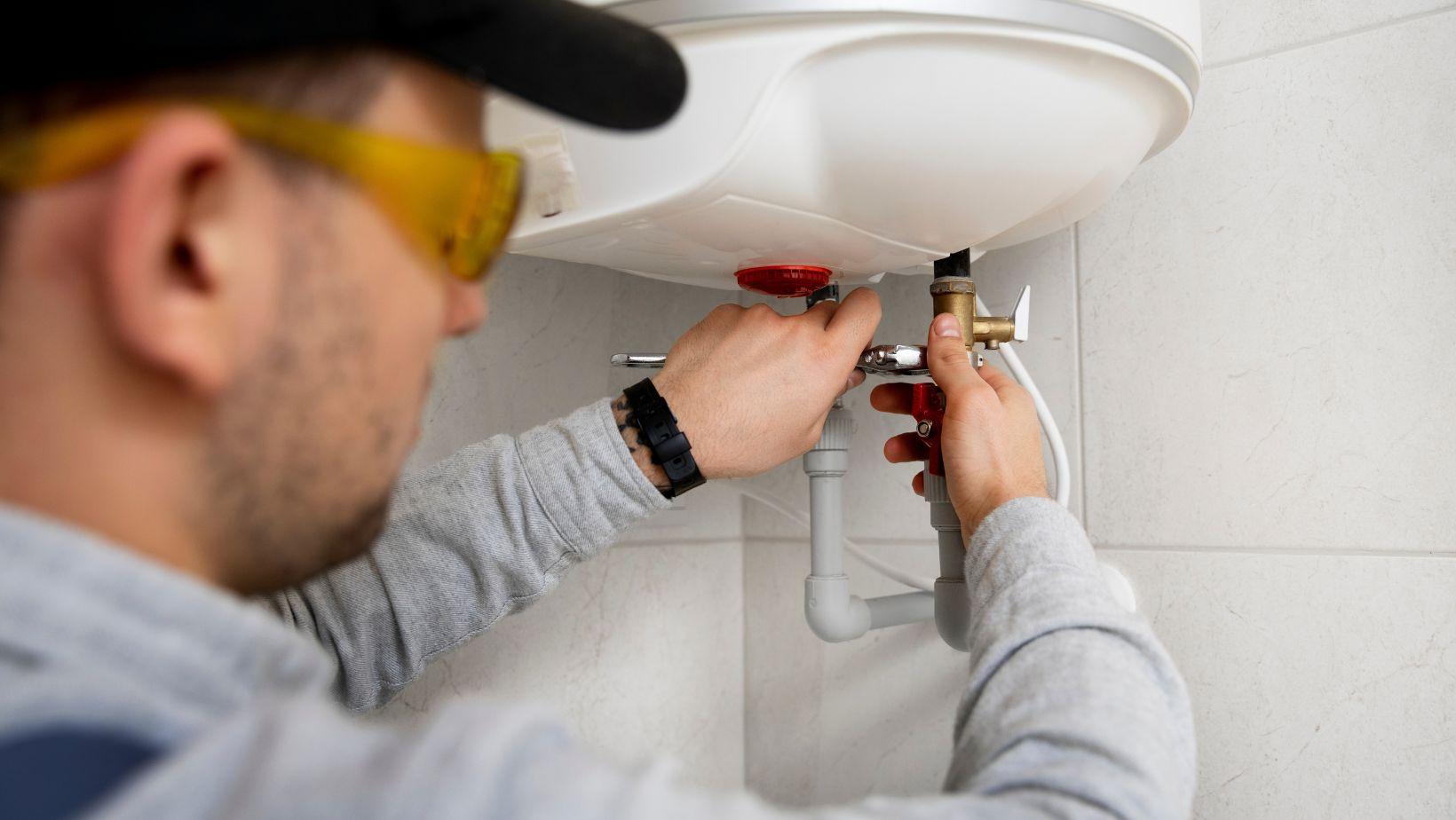

Almost never do water heaters malfunction at an opportune time. When a puddle forms on the garage concrete on a Sunday morning, the first thing to do is arrange for plumbing service so that the house will have hot water by dinner. A deadline is going to collide with that reflex. Anyone weighing water heater replacement options in San Jose, or anywhere else in the nine-county Bay Area, now has a date on the calendar: January 1, 2027.
That’s when the Bay Area Air Quality Management District’s residential water‑heater rule takes effect: starting in 2027, new gas water heaters in homes must be zero‑NOx (effectively electric/HPWH in most cases), with narrow exceptions. Larger commercial‑type units have later phase‑in dates. The regulation is not a proposal because it was approved in March 2023 and confirmed this year.
Your existing gas water heater isn’t affected; you can keep using and repairing it. The rule limits what you can install as a replacement after 2027, which in most homes means electric/HPWH.
How Does a Gas Water Heater Compare With a Heat Pump Water Heater?
A gas unit burns fuel under a cylinder of water. Cheap to install, quick to recover, and it works in a power outage. Typical gas tank water heaters have UEF around 0.60–0.70; much of the input energy leaves with flue gases.
A heat pump water heater doesn’t generate heat at all. It moves it, using a compressor bolted to the top of the tank to pull warmth out of the surrounding air. Efficiency ratings run three to four times higher. The gas vs heat pump water heater comparison isn’t about which one heats water better. Both do it fine. It’s about what each one needs from your house.
What Are the Main Advantages and Drawbacks of Heat Pump Water Heaters?
The unit cools and dehumidifies any space it is placed in, and operating expenses are frequently reduced by 50% or more. In a garage, that’s a small bonus.
Rather than being dramatic, the drawbacks are more practical. A small tank can be outrun by back-to-back showers due to the slower recovery. There are low-speed modes and quieter models, but at mini-fridge levels, the compressor usually hums. The majority of HPWHs are larger and taller than typical gas tanks, and they generate condensate that requires a pan or drain.
What Does Installing a Heat Pump Water Heater Require in a Bay Area Home?
Air, electricity, drainage, headroom. Many HPWHs need a 240‑V circuit and two breaker spaces, which can be tight in older homes; 120‑V plug‑in models avoid panel upgrades but may have slower recovery.
Additionally, the device requires air to function, such as in a utility room, garage, or closet with a louvered door rather than a sealed internal one. The project takes longer than a gas swap when seismic strapping and a permit are included, both of which are necessary in California.
How Much Does It Cost to Replace a Gas Water Heater With a Heat Pump?
Depending on the model, venting, seismic, and permits, industry estimates for a standard gas tank water heater installed typically range from $1,800 to $3,500; HPWHs usually start higher prior to rebates.
Rebates close most of the gap. Rebates can significantly narrow the gap: TECH Clean California commonly offers around $1,500–$2,000+ for qualifying HPWH installs (varies by program/income), BayREN/Home+ may add further incentives where available, and the federal 25C tax credit covers 30% of eligible costs up to a $2,000 annual limit for HPWHs. Stack them correctly and the heat pump water heater installation cost can land at or below a new gas unit.
Is a Heat Pump Water Heater the Better Choice for Bay Area Homeowners?
For most single-family homes here, yes, and the climate is the reason. These units lose efficiency in cold air, and local garages rarely get that cold. Gas rates have climbed too, which shortens the payback.
It’s a harder call for a condo with the tank in an interior closet, or for someone planning to sell within a year. There, the gas vs heat pump water heater math depends less on the equipment than on what the building allows.

What Should Bay Area Homeowners Know Before Making the Switch?
Two mistakes sink rebate claims more than any others: hiring a contractor who isn’t enrolled in the TECH clearinghouse, and buying a unit online that isn’t on the qualified products list. Neither shows up until the paperwork is rejected.
An emergency replacement is also a terrible time to make this decision. Contractors get busier as 2027 gets closer, and a panel upgrade can’t be arranged overnight.
In Conclusion
The rule doesn’t touch a working water heater. It changes what’s on the shelf the day yours stops working.
So find out now what your house would need: whether the panel has room, whether the tank spot has air and a drain, and what it would all cost. One site visit answers that. Then, whenever the old tank goes, it’s a scheduling problem instead of an expensive emergency.