
How Household Tasks Teach Kids About Hygiene

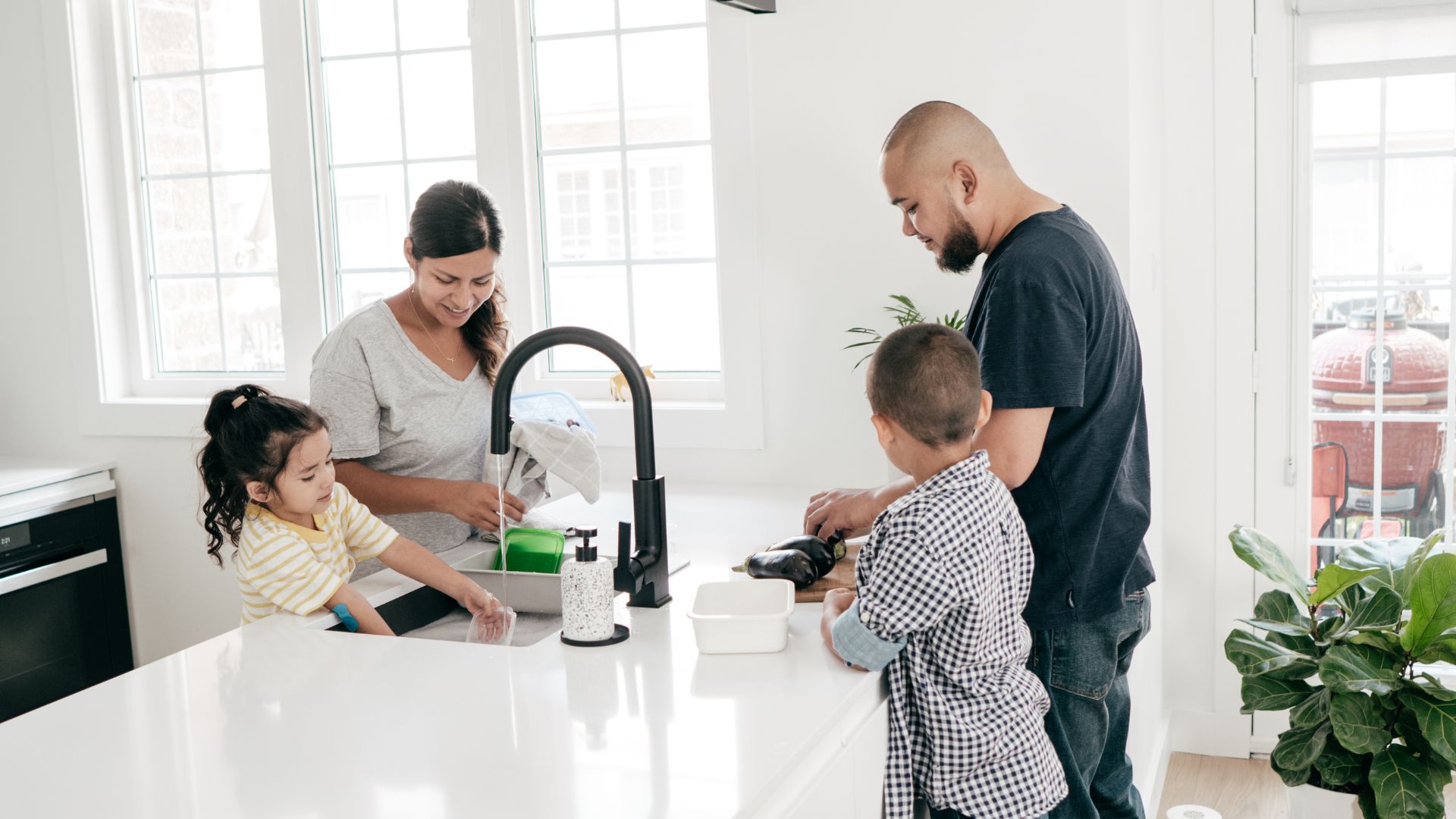

Children learning about hygiene is a slow progressive process that can be taught by a patient and demonstrated through everyday activities. The chores performed at home are useful in terms of making children learn how cleanliness is important and how the decisions they make impact the surrounding environment. Children also acquire skills to correlate their activity with consequences when they are engaged in such simple tasks as wiping down a counter, sorting laundry or assisting with organizing dishes. These minor experiences form a base of consciousness that will help them develop greater hygiene practices as they become older.
Understanding Hygiene Through Daily Routines
Children get to learn best when they can observe vivid connections between their actions and the resultant actions. Their involvement in daily activities will make them begin to identify what a clean space should look, feel and operate. Doing simple household tasks helps them also to be keen to detail such as cleaning crumbs, washing dishes or where they are supposed to be. And gradually this attention enhances their perception of cleanliness in a manner that can hardly be done by conversational means.
Routine is another way through which the children internalize the concept of hygiene as something that is constant and not an occasional thing. They start to realize that personal and environmental hygiene should be taken care of continuously when they observe that plates should be washed after each meal and laundry should be carried out on a regular basis. This continuous repetition makes hygiene not a rule that they obey, but it becomes one of their ways of life.
Building Responsibility and Ownership
Delegation of household chores makes the children feel that they own the household chores and thus hygiene does not feel imposed on them. When children are in charge of something such as clearing the breakfast table or cleaning the floor of the kitchen, they take pride in whatever they are contributing to. This pride makes them have tidy and clean surroundings and serves to remind them of doing things with a lot more care in future.
Responsibility is also a way of getting children to be more conscious of messes caused. When they are aware that they would be cleaning up, they usually tend to be more careful about spills, clutter or misplaced objects. This consciousness empowers their knowledge on the role of hygiene in securing the common areas and making family operations run efficiently.
Association between Hygiene and Health Awareness
House chores are a good place to explain the importance of hygiene in health. Children who wash their hands before they cook or wipe surfaces where germs may be they start realizing the importance of being clean as it helps in maintaining their well being. Such activities usually result in discussions on avoiding sickness particularly when children realize the difference between a clean surface and the one that seems to be sticky or dirty.
As these relationship points become better known to the child, the higher the chances of the child embracing the personal hygiene habits without a lot of resistance. Parents can affirm this knowledge by demonstrating how simple activities, including the essential washing of dishes or the usage of products such as dishwasher tablets or dishwasher pods, can help to create a healthier environment. These are the illustrations that can enable children to understand the importance of tidiness in domestic chores and personal hygiene.
Promoting the Development of Skills
Engaging in domestic tasks will also enable the children to have confidence in their capacity to take care of themselves and the environment. Chores such as tidying their room, washing towels or dirty plates are useful lessons that comprise the basis of responsible living. The experiences also make them feel competent enough particularly when they observe tangible results of their efforts.

Proficiency building is not limited to cleaning methods. Time management, cooperation and problem solving are also learned by children as they determine how to do chores. These abilities equip them to continue hygiene in various settings whether in school or extracurricular activities where they are likely to have to rely on their personal judgment more often.

Building Family Connection
Home chores can also make the relationship between parents and kids stronger once done in a patient and collaborative manner. Sitting next to one another gives the kids a chance to see good behaviors and parents could also have a chance to demonstrate hygiene behavior. Such mutual experiences will not only create relationships but will also strengthen the need to keep the environment clean.
Sharing responsibilities among families also brings about the feeling of collective responsibility. Children are taught that hygiene is not only a personal requirement but also a collective one that helps in making the home comfortable to all. This mutual understanding promotes collaboration and a more beneficial way of living that is healthy to the whole family.
Closing Remark
Household chores are significant in educating children on hygiene because they offer them consistent practice, responsibility and relating cleanliness to health and well being. By engaging children in their everyday activities, they will have to acquire pragmatic skills and life long habits that can lead to a cleaner environment and a more conscious individual. These are initial lessons that can be carried into life and ensure that the child develops strong hygiene habits that can take them well into their adulthood and serve as the reason why they look after themselves and their hygienic habitat.