Slow Living Isn’t Just for Influencers — A Practical Beginner’s Guide

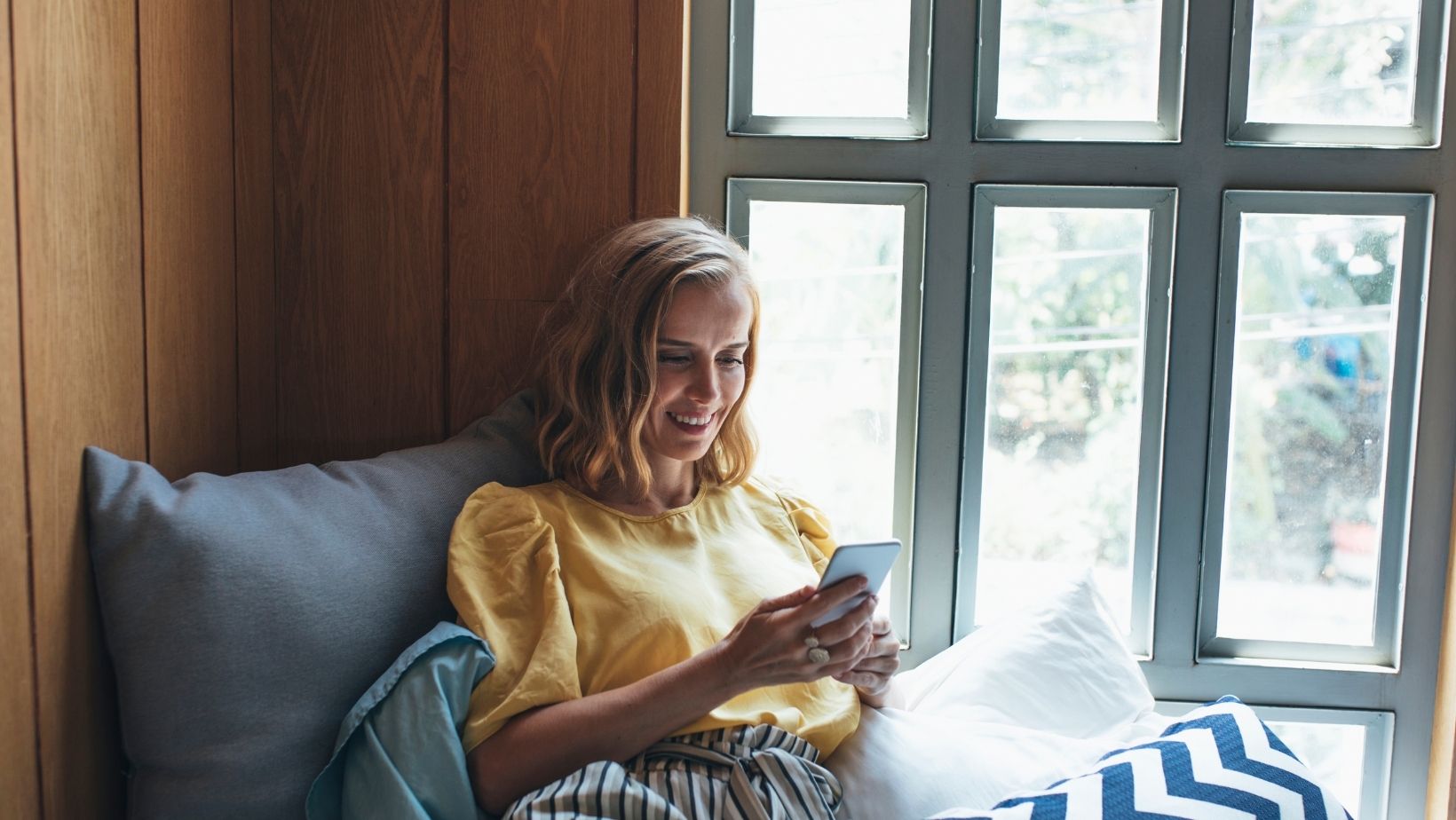

Scroll through Instagram on any given morning, and you’ll find someone in a linen shirt, sipping tea from a handmade mug, journaling beside a window flooded with golden light. The caption reads something about “honouring the pause.” It looks beautiful. It also looks completely disconnected from the reality of most people’s lives — the alarm at 6:15, the commute, the inbox, the grocery run, the kids, the dishes, the collapse onto the couch at nine.
Slow living has an image problem. It’s been aestheticised to the point where it feels like a luxury reserved for people with passive income and no obligations. But the philosophy behind it is neither new nor exclusive. It originated in Italy’s Slow Food movement of the 1980s as a direct response to fast-food culture, and its core principle is deceptively simple: do fewer things, but do them with more intention. That doesn’t require a lifestyle overhaul. It requires a series of small, deliberate choices — and those are available to everyone.
What Slow Living Actually Means in Practice
The misconceptions are worth clearing up first, because they’re the reason most people dismiss the idea before trying it.
- It’s not about doing less. It’s about doing things more deliberately. You can work a full-time job, raise kids, and maintain a social life while practising slow living. The difference is in how you approach those things — with presence rather than autopilot.
- It doesn’t require moving to the countryside. Slow living principles apply in urban environments just as well. Walking to the shops instead of driving, cooking one proper meal instead of ordering three takeaways, or spending ten minutes with a book before bed — these are urban-compatible practices.
- It’s not anti-technology. It’s about using technology intentionally rather than reactively. That might mean checking your phone at set times rather than every time it buzzes, or choosing one evening a week where screens are off by seven.
- It’s not a permanent state. Some weeks will be frantic, and that’s fine. Slow living is a direction, not a destination. The goal is to create enough slow moments that they start to influence the texture of your overall life.
Research backs this up. A 2022 study published in Applied Psychology: Health and Well-Being found that participants in a mindfulness-based stress reduction programme — which mirrors many slow-living principles — experienced significant increases in “time affluence,” the feeling of having enough time. They weren’t given extra hours. They simply changed their relationship with the hours they had.
The Entertainment Question
One area where slow living gets genuinely complicated is entertainment. We live in an attention economy where every app, platform, and service is engineered to keep you engaged as long as possible. Slow living asks you to be selective about where you direct that attention — not to eliminate entertainment, but to choose it consciously rather than defaulting to whatever algorithm serves you next.
This applies across the board. Whether you’re bingeing a series because you genuinely love it or because you can’t be bothered finding the remote, the question is the same: Is this a choice, or is it inertia? The same logic applies to a Friday evening browsing new releases at Spincity casino for a few rounds of online pokies, scrolling social media for an hour, or spending the night reorganising your wardrobe. None of these is inherently good or bad — what matters is whether you choose the activity or simply drift into it.
The Kiwi Version
New Zealanders arguably have a head start on slow living, even if they don’t call it that. The Bach holiday, the Sunday morning farmers’ market, the after-work beach walk — these are already embedded in the culture. But the cost-of-living squeeze and the always-on nature of modern work have eroded some of that natural rhythm. Reclaiming it doesn’t require a grand gesture. It might mean reinstating the Sunday roast, turning off email notifications after six, or spending Saturday morning at the Otara or Riccarton market instead of a shopping centre.

Where to Start Without Overhauling Your Life
The research consistently shows that small, consistent changes outperform dramatic lifestyle shifts. Here are five entry points that require no special equipment, no budget, and no free time you don’t already have.
| Practice | What it involves | Why it works |
| Screen-free mornings | No phone for the first 30 minutes after waking | Reduces cortisol spike from notifications and sets a calmer baseline for the day |
| Single-tasking | Doing one thing at a time during meals, conversations, or work | Research shows that multitaskers perform worse on memory tests and are less efficient |
| The 30-day rule | Waiting 30 days before buying any non-essential item | Curbs impulse spending and trains you to distinguish wants from needs |
| Weekly digital sabbatical | One evening per week with all screens off | Restores attention capacity and improves sleep quality |
| Five-minute nature pause | Stepping outside for five minutes without your phone | Even brief nature exposure reduces stress and improves mood, according to APA research |
The pattern across all five is the same: introduce a small friction between stimulus and response. Slow living, at its core, is the practice of inserting a pause where modern life has engineered the pause out.
The Long Game
Slow living doesn’t deliver instant results — which is, of course, the point. The benefits accumulate gradually: better sleep, stronger relationships, fewer impulsive purchases, a quieter mind. A Frontiers in Psychology study found that participants in an eight-week mindfulness programme showed significant improvements in both life satisfaction and a deeper sense of meaning — not because their circumstances changed, but because their attention did.
The influencer version of slow living will always exist, and it will always look unattainable. But the real version — the one that happens between the alarm and the commute, in the ten minutes before bed, in the choice to cook instead of order — is available right now. It doesn’t photograph as well. But it works.
What's Your Reaction?