
Vaginal Estrogen And The Quiet Revolution In Menopausal Care: What International Research Is Saying About A Long-Misunderstood Therapy

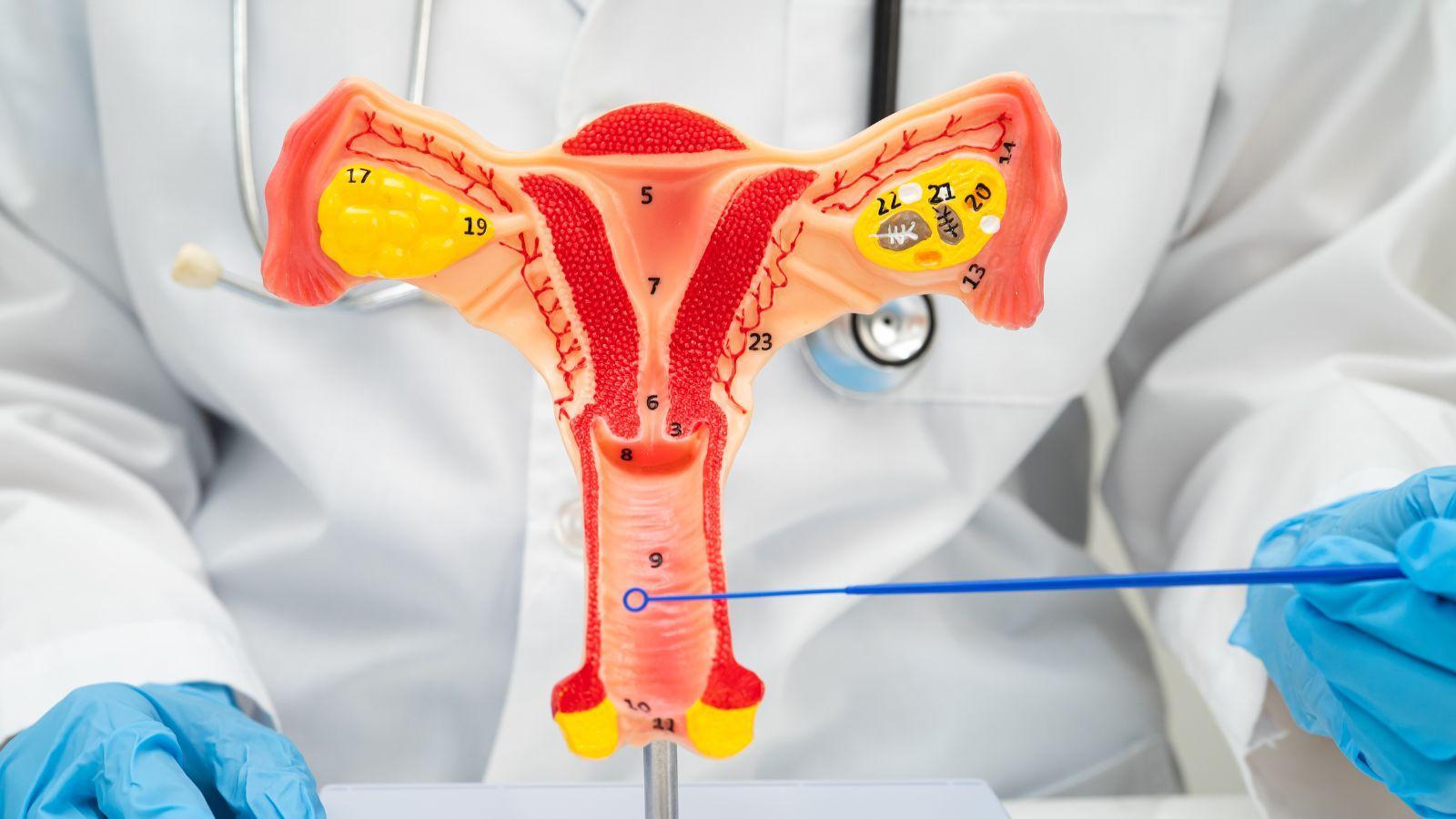

For a long stretch of the last two decades, estrogen became one of the most confusing words in women’s health. A single large study, interpreted broadly and reported urgently, reshaped how doctors counselled patients, how patients thought about their own bodies, and how common menopausal symptoms were treated. Much of that caution, we now understand, was misapplied to a very specific subgroup of therapies, and it cost many women years of unnecessary discomfort.
Topical vaginal estrogen sits at the centre of this correction. It is one of the most well-studied, lowest-dose, and most localised forms of hormone therapy available, and the international research community has spent the last decade clarifying how it actually works and how safe it is when used appropriately. This article summarises what that research says, who benefits, and why low-dose topical estrogen has quietly become a standard option for vaginal and urinary symptoms of menopause.
Why vaginal tissue changes during and after menopause
The drop in circulating estrogen that defines menopause has wide-ranging effects, but some of the most immediate are local rather than systemic. Vaginal tissue depends on estrogen for its thickness, elasticity, lubrication, and microbial balance. When estrogen declines, the tissue thins, the pH shifts, and the local microbiome changes. The clinical term for the resulting cluster of symptoms is genitourinary syndrome of menopause, or GSM.
GSM is common, persistent, and under-treated. Large international surveys have consistently shown that a majority of post-menopausal women experience at least one symptom, and a meaningful share experience several. Dryness, discomfort during intercourse, urinary urgency, and recurrent urinary tract infections all fall under the umbrella, and they tend to progress rather than resolve on their own.
What topical estrogen actually does
Topical vaginal estrogen delivers a small dose of hormone directly to the affected tissue. Creams, tablets, and soft-ring formulations all exist, each with slightly different dosing profiles. The common ground is that the delivery is local, the systemic absorption is minimal, and the therapeutic effect is aimed squarely at the tissue that has lost estrogen support.
Within a few weeks of consistent use, most patients notice:
- Improved vaginal lubrication and elasticity
- A return of the acidic vaginal pH that supports a healthy microbiome
- Reduced frequency of urinary tract infections in many patients
- Less discomfort with intercourse, exercise, or daily movement
- More resilient tissue that tolerates everyday friction
The treatment is ongoing rather than one-off. GSM returns when estrogen support is withdrawn, which is why most international guidelines describe topical estrogen as a long-term therapy for patients who benefit from it.
The safety evidence, clearly framed
Much of the confusion around estrogen therapy stems from a failure to distinguish between systemic and topical treatment. Systemic estrogen delivered at menopausal replacement doses has a specific risk profile that has been extensively studied. Low-dose topical vaginal estrogen has a different profile entirely, because the systemic absorption is small and the dose delivered to the tissue is targeted.
International position statements from major menopause societies in the United States, the United Kingdom, Europe, and Australia have converged on a consistent view over the last decade:
- Low-dose topical vaginal estrogen is considered safe and effective for most post-menopausal patients experiencing GSM symptoms.
- Systemic absorption from approved topical doses is low enough that it does not require the boxed warnings historically applied to systemic therapy.
- Most patients with a history of non-hormone-dependent conditions can use topical estrogen with individualised clinical judgement.
- Patients with a history of hormone-dependent cancers require a more specific conversation with their oncology team, but topical estrogen is not automatically ruled out.
These statements do not dismiss caution. They calibrate it. That recalibration has been one of the more important shifts in women’s health medicine in the last decade.
Where the product category has evolved
The topical estrogen category has matured quietly alongside the research. Older formulations relied on petroleum bases and higher applicator volumes. Newer products have refined the delivery system, reduced the applicator dose, and provided formulations that are better tolerated by patients who find traditional products irritating.
Readers exploring modern options will find that some services now provide a targeted estrogen cream as part of a broader approach to vaginal health, combining the therapy itself with clinician oversight and, in some cases, microbiome testing to help personalise the decision. The underlying active ingredient is well-established, but the care surrounding it has been refined.
Who tends to benefit most
Not every person in menopause needs topical estrogen. Many manage with lifestyle adjustments, non-hormonal lubricants, and moisturisers alone. The situations where topical estrogen usually adds the most value include:

- Persistent vaginal dryness that does not respond to non-hormonal options
- Discomfort during intercourse that is affecting quality of life or relationships
- Recurrent urinary tract infections after menopause
- Urinary urgency or frequency that has a clear postmenopausal onset
- Tissue fragility or bleeding with everyday activity
In these cases, the evidence base for meaningful symptomatic improvement is strong, and the risk profile is favourable compared with leaving the symptoms untreated over the long term.
What to ask before starting therapy
A short set of questions tends to surface the most useful information for anyone considering topical estrogen.
- Which formulation is being recommended, and what is the starting dose?
- How long is a reasonable trial period before assessing whether it is working?
- What symptoms would prompt a follow-up sooner than scheduled?
- Are there interactions with other medications to be aware of?
- What is the plan for ongoing review, given that topical estrogen is typically used long term?
Thoughtful clinicians and telehealth providers answer these without hesitation. The fact that topical estrogen has become a more widely available option does not change the importance of starting with a clear plan.
The international direction of travel
Access to topical vaginal estrogen has expanded in most developed markets over the last decade, either through updated prescribing guidance, over-the-counter availability in some jurisdictions, or telehealth services that provide clinical oversight without requiring an in-person visit. The effect has been that patients who used to endure symptoms for years because they could not access a convenient path to treatment now have realistic options.
This accessibility is consistent with a broader shift across women’s health medicine toward remote clinical support for conditions that do not require a physical examination in every case. Vaginal and urinary symptoms of menopause are well-suited to that model when the underlying diagnosis is clear.
A practical conclusion
Topical vaginal estrogen is one of the clearest examples of a therapy whose reputation has been disproportionately shaped by concerns that apply to a different category of treatment. The current international research consensus is that, used appropriately, it is safe, effective, and often life-changing for patients experiencing genitourinary symptoms of menopause. For anyone weighing the decision, the most useful starting point is an honest conversation with a clinician who understands the current evidence rather than one who is still working from guidance written a decade ago.