
A Player’s Guide to Cluster, Scatter & Tumble Mechanics (and Where To Try Them in the US)

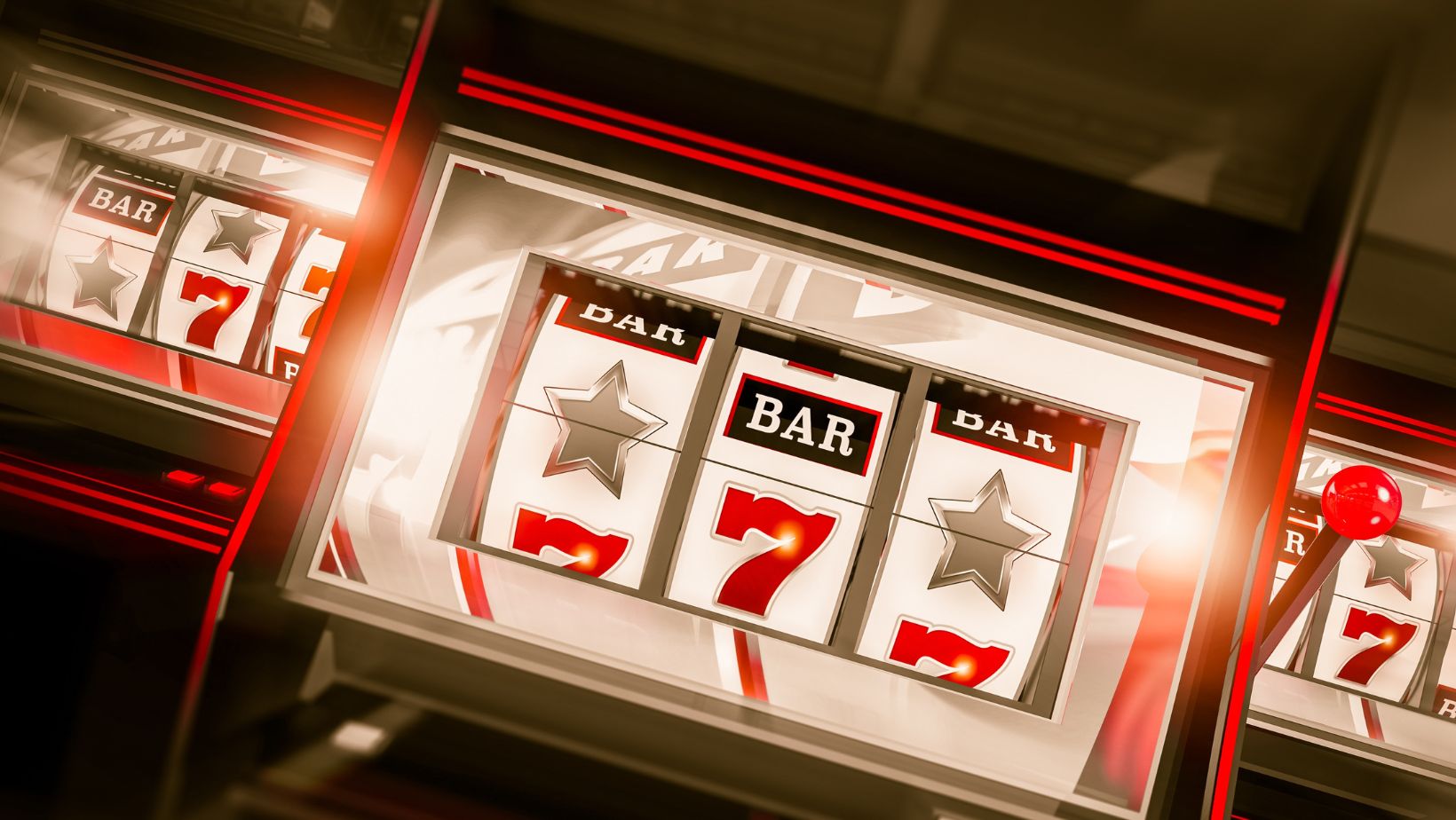

A Player’s Guide to Cluster, Scatter & Tumble Mechanics (and Where To Try Them in the US)
Why These Slot Mechanics Change the Feel of a Spin
Many slot games are built on classic reels, but modern designs experiment with how symbols connect. Some games use a grid, some treat special symbols as triggers, and some let the screen refill several times on one spin.
Cluster, scatter, and tumble mechanics are three of the most common ways to change the flow. Learning the basics helps players pick games that match their pace and understand the rules screen faster.
In Short: These mechanics change what counts as a win. They also change how long a single spin can stay active.
A Quick Map of Cluster, Scatter, and Tumble
The three terms often appear in feature notes, but they point to different parts of the game. A clear slot mechanics guide can help match the label to what happens on screen. Start by learning the basic definition, then confirm it in the info screen before spending time on a title.
Cluster wins count groups of touching symbols, usually on a grid rather than on reels. Scatter symbols are special triggers that can matter wherever they land. Tumble mechanics remove winning symbols and drop in new ones for another check, sometimes called cascades or avalanches.
Cluster Wins: Grids That Count Groups
In a cluster-style slot, the game scores when matching symbols touch each other. The layout is often a square or rectangular grid, so a symbol can connect in more than one direction. This creates wins that look like blocks instead of straight lines.

Rules usually set a minimum group size, such as four, five, or six matching icons. Some games clear the winning cluster and let new symbols fall, which can produce a chain of results from one spin.
- Grid Size: Look for 5 by 5, 6 by 6, or larger layouts instead of reels.
- Minimum Cluster: Check how many matching icons must touch to count as a win.
- Connection Rules: Most games count side-to-side touches, but some allow diagonals.
- Symbol Drops: If wins clear, new symbols may fall in and create another cluster.
- Win Meter: Many games highlight the full group at once, which makes tracking clusters easier.
Scatter Symbols: Triggers That Land Anywhere
Scatter symbols are designed to matter wherever they land on the screen. A game might use scatters to start free spins, open a bonus feature, or add a multiplier. The key idea is that position is not the main factor for a scatter.
The info screen will say how many scatters are needed and what they trigger. In grid games, scatters can still count even when there are no reels.
Tip: Read the scatter section before the first spin. The same icon can trigger different features in different games.
Where To Try Cluster, Scatter, and Tumble Mechanics in the US
In the US, these mechanics are easiest to explore in free to play social slots, where the full feature set is visible. If a mechanic sounds unfamiliar, open the rules screen and skim a slot mechanics guide before choosing a title.
Try Them in US Friendly Social Slot Libraries
Browser libraries and app stores often include grid games, scatter triggers, and tumble style cascades. Yay Casino also has free slots, so the fastest check is the feature notes inside each game.
Use the Info Screen Like a Checklist
Look for a How To Play or Info button and scan the sections on symbols and features. The wording will usually mention clusters, scatters, or cascades, and it may show an example win animation.
Examples Players Often Link With Each Mechanic
Cluster wins are often linked with grid titles such as Reactoonz or Jammin Jars, while scatters appear across many themes. Tumble mechanics are commonly tied to cascading classics like Gonzo Quest and games that advertise cascades or avalanches.
Build a Simple Routine Before Trying a New Game
Start by identifying which mechanic the game uses, then confirm it in the rules screen. For cluster games, focus on the minimum group size and whether wins clear from the grid. For scatters and tumbles, check what triggers the feature and whether it can repeat during a spin.
Testing a few titles back to back makes the differences obvious. Setting time limits and taking breaks helps keep the session fun and focused.Next Step: Pick one mechanic to explore first and search for it in the info screen. Compare two games and note how the screen behaves after each win.