
Catastrophic Historical Engineering Failures That Accidentally Built Modern Society

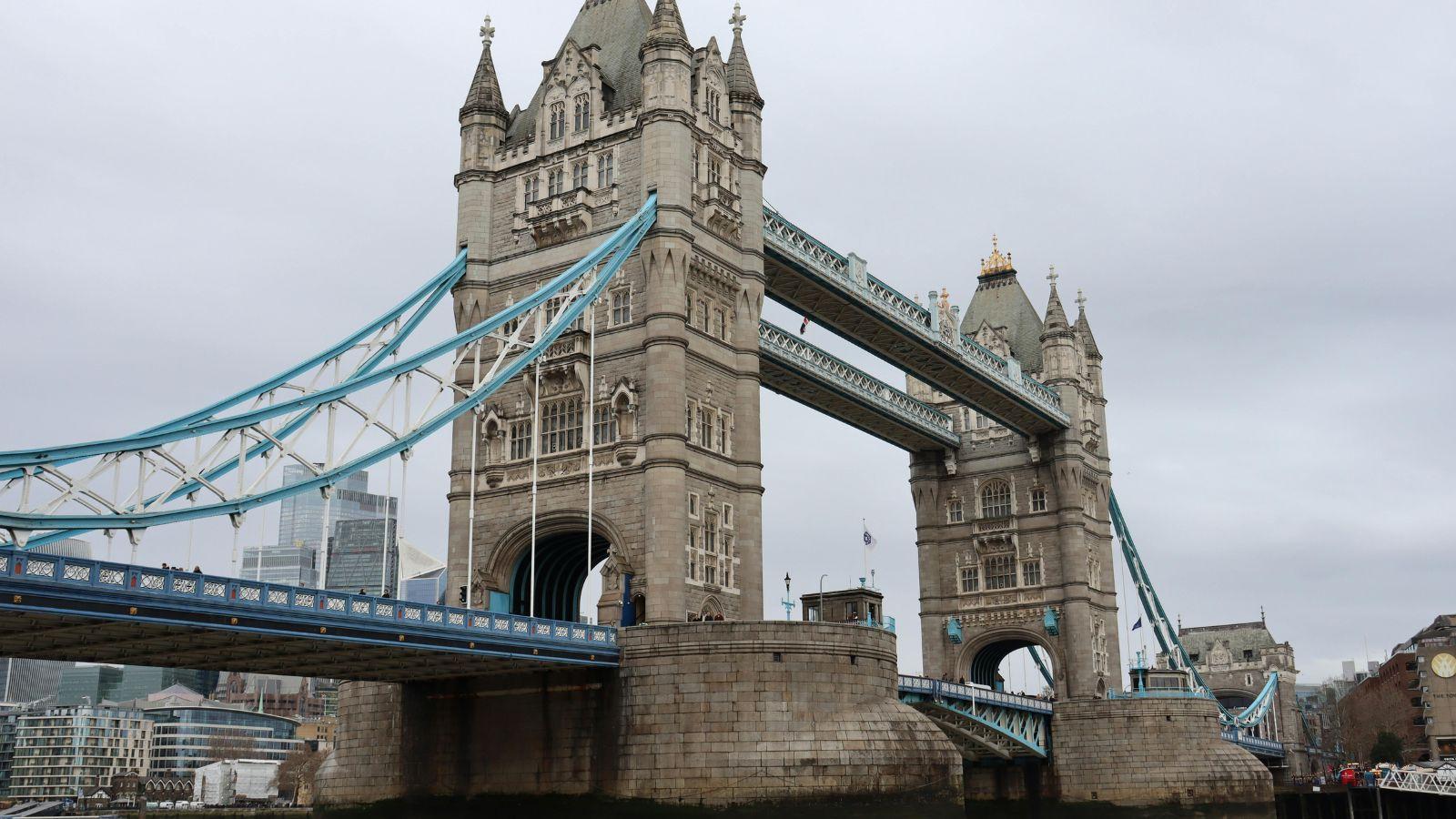

When steel twisted, concrete crumbled, and early machines shattered, engineers did not just clean up the wreckage—they rewrote the rules of physics and design. Every modern bridge we cross, building we enter, and airplane we board is fundamentally safer because of past disasters. Progress is rarely a straight line; more often, it is a difficult lesson learned through catastrophic failure. By examining the worst structural miscalculations in history, we can see exactly how modern engineering standards were forged in the fires of disaster.
The Tacoma Narrows Bridge and the Invisible Power of Wind
In 1940, a brand-new suspension bridge in Washington state began to twist and ripple in moderate winds, earning the nickname “Galloping Gertie.” Months after its grand opening, the massive structure tore itself apart and plummeted into the Puget Sound. The original designers had focused entirely on supporting heavy static loads, completely ignoring aerodynamics. They failed to account for aeroelastic flutter, a dangerous phenomenon where wind catches a solid structure and feeds it continuous energy until it violently shakes apart.
Analyzing the aftermath of the collapse reveals the strict aerodynamic standards that modern architects immediately adopted to secure long-span structures.
The Great Boston Molasses Flood Creates Building Codes
It sounds like a bizarre myth, but in January 1919, a massive storage tank in Boston burst open, unleashing a 25-foot wave of sticky, freezing molasses through the city streets. The disaster flattened buildings, snapped elevated train tracks, and claimed twenty-one lives. The ensuing investigation revealed shocking corporate negligence. The tank’s walls were far too thin to hold 2.3 million gallons of heavy liquid, and the company had completely skipped basic safety tests to save time.
This tragedy single-handedly birthed modern oversight. Before the Boston flood, practically anyone could throw up a massive structure without independent safety checks. Afterward, cities across the country established strict municipal building codes. Every structural blueprint suddenly required a signature and an official seal from a licensed architect or engineer, ensuring personal accountability for public safety.
Calculating Risk: From Blueprints to Probability
In the early days of the industrial revolution, pushing the boundaries of construction often felt like pulling a lever on a massive, high-stakes machine. Builders were essentially calculating risk in the dark, hoping their unproven theories would hold up under extreme pressure. Today, we comfortably leave games of chance to entertainment hubs like the Yep Casino Official, but a century ago, betting on a new architectural design meant risking human lives.
Engineers had to shift away from trial and error, moving toward exact mathematical models and rigorous material testing. The sheer unpredictability of raw materials meant that standardizing steel, concrete, and iron was the only way to eliminate random chance from heavy construction and city planning.
The St. Francis Dam and the Birth of Geotechnical Science
In 1928, the St. Francis Dam in Los Angeles County catastrophically failed just hours after a standard safety inspection. A massive wall of water swept down the canyon, wiping out entire towns in its path. The structure itself was relatively sound, but it was anchored to an ancient, unstable landslide site.
The geology of the canyon was incredibly erratic and full of hidden fault lines. Leaving structural integrity to a random spin of environmental variables is a lot like playing https://yep.casino/en-gb/category/slots—you never know exactly when the elements might shift beneath you or what combination of natural forces will line up against you. The destruction of the St. Francis Dam forced civil engineers to realize they could no longer build based on surface appearances alone. This disaster sparked the creation of geotechnical engineering, requiring deep soil and rock analysis before pouring a single yard of concrete.

The De Havilland Comet and the Danger of Square Windows
The De Havilland Comet was an absolute marvel of the 1950s, holding the prestigious title of the world’s first commercial jet airliner. It promised smooth, high-altitude travel above the rough weather. But within a few short years of its debut, several planes mysteriously broke apart in mid-air.
The Hidden Culprit of Metal Fatigue
Investigators recovered the wreckage from the ocean floor and subjected an entire aircraft fuselage to simulated pressurization cycles. They discovered a deadly, overlooked flaw: the Comet featured large, square windows. The sharp corners of these windows became focal points for intense stress. Repeatedly pressurizing and depressurizing the cabin caused microscopic cracks to form at the corners, ultimately leading to explosive decompression.
The costly investigation into the Comet tragedies brought about sweeping redesigns that form the permanent backbone of commercial aviation safety.
The Foundation of Corrected Mistakes
Modern society stands on a foundation of corrected mistakes. From the twisting steel of Tacoma to the shattered windows of early jets, each catastrophic failure successfully removed a fatal blind spot. We enjoy unprecedented safety today because engineers possessed the courage to thoroughly analyze their most devastating ruins and build something vastly better in their place.