
Choosing the Right Mulch to Prevent Weeds

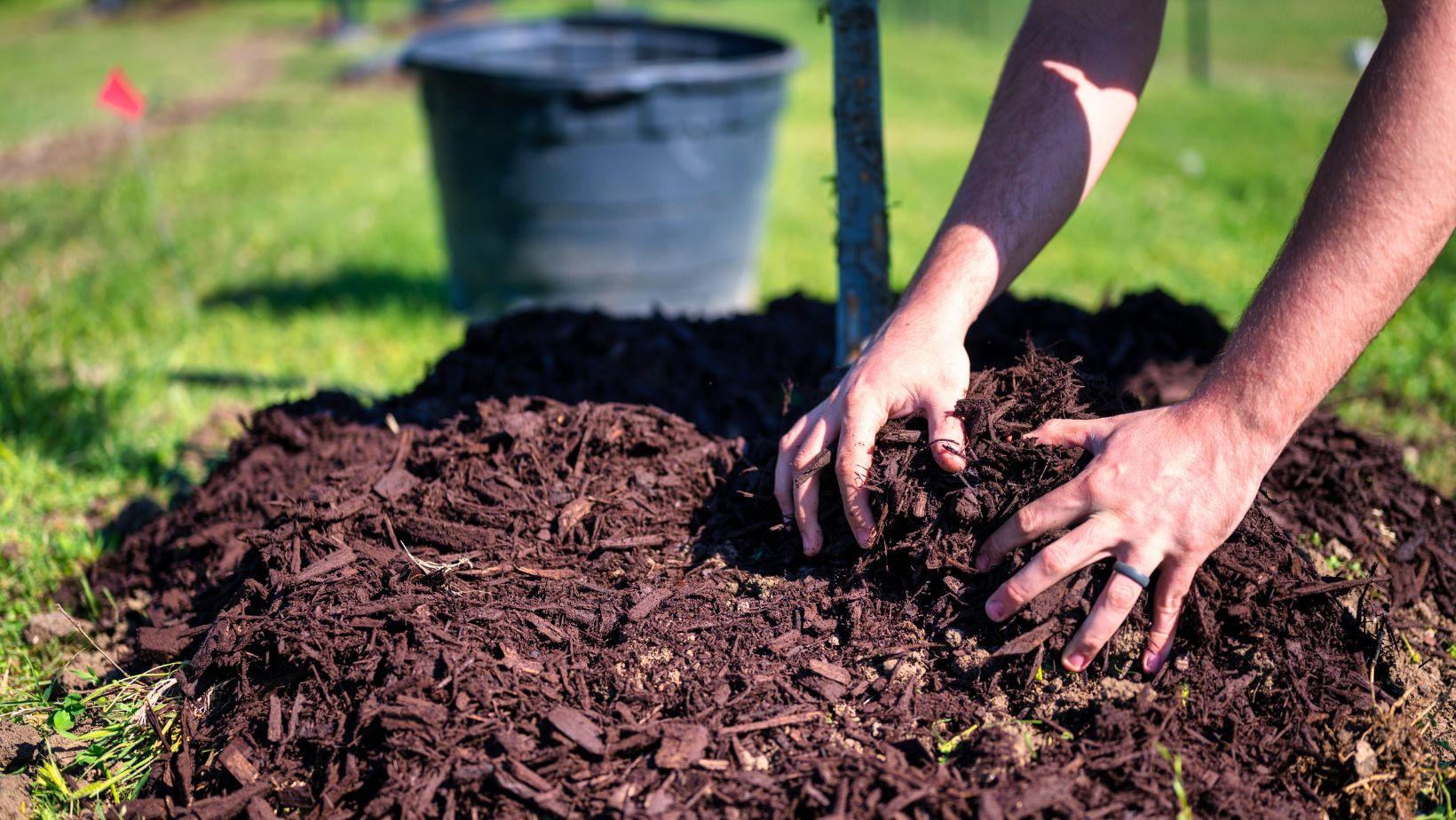

Keeping weeds under control is one of the biggest challenges for gardeners. They compete with plants for water, nutrients, and sunlight, while also making otherwise tidy garden beds look neglected. Fortunately, the right mulch can make a noticeable difference by creating a physical barrier that makes it harder for weed seeds to germinate and grow.
But not every type of mulch works equally well. Choosing the right material, applying it correctly, and maintaining it throughout the season can all affect how effective it is at preventing weeds.
How Does Mulch Help Prevent Weeds?
Mulch works primarily by blocking sunlight from reaching the soil surface. Without adequate light, many weed seeds struggle to germinate or develop.
A good layer of mulch can also reduce the amount of bare soil exposed to wind and birds, which can introduce new weed seeds into a garden. As organic mulch breaks down, it may also improve soil structure and moisture retention.
However, mulch is not a permanent weed solution. Persistent weeds may eventually grow through thin layers, while some can emerge from roots or seeds already present in the soil.
Best Types of Mulch for Weed Prevention
Wood Chips
Wood chips are a popular choice for flower beds, around shrubs, and beneath trees. When applied at an appropriate depth, they create a substantial barrier against sunlight and can remain effective for a relatively long time.
They also provide a natural appearance that works well with many landscape designs. As they decompose, wood-based mulches contribute organic matter to the soil.
For the best results, choose reasonably sized chips and maintain a consistent layer rather than scattering them too thinly.
Bark Mulch
Bark mulch is another effective option for suppressing weeds. It is available in different textures and sizes, from finely shredded bark to larger pieces.
Larger bark pieces can provide good coverage and may resist being blown away, while finer varieties create a more uniform appearance. Bark mulch is particularly useful around ornamental plants and established landscaping.
Straw
Straw can be useful in vegetable gardens and other areas where appearance is less important than function. It creates a light barrier over the soil and can help conserve moisture at the same time.
However, gardeners should use clean, weed-free straw whenever possible. Poor-quality material may contain seeds that introduce additional weeds into the garden.
Pine Straw
Pine straw, sometimes called pine needles, is lightweight and easy to spread. It works particularly well around acid-loving plants and can form an effective protective layer when applied generously.
Because it is lightweight, however, it may need occasional repositioning after heavy rain or strong winds.
Gravel and Other Inorganic Mulches
Gravel, pebbles, and stone can provide long-lasting ground coverage and are particularly useful in pathways, xeriscaped areas, and decorative beds.
Unlike organic mulches, they do not decompose quickly. However, they may not be the best choice for every planting area because they do not add organic matter to the soil and can make future planting more difficult.
How Much Mulch Do You Need?
The depth of the mulch layer matters almost as much as the material you choose. A layer that is too thin may allow sunlight to reach the soil, giving weeds an opportunity to emerge.
For many garden beds, approximately 2 to 4 inches of mulch provides useful coverage. The exact amount can depend on the material, location, and plants being protected.
Avoid piling mulch directly against tree trunks, shrub stems, or plant crowns. Excessive moisture around these areas can encourage rot and create other plant-health problems.
If you are unsure how much material a particular garden project requires, a mulch calculator can help estimate the volume needed based on the dimensions of the area. Resources such as mulchmound.com can also be useful when planning how much mulch to purchase.
Tips for Getting Better Weed Control
Remove Existing Weeds First
Mulch works best as a preventative measure. Before spreading it, remove existing weeds and as many roots as possible.

Pulling or digging perennial weeds out before mulching can prevent them from continuing to grow beneath the new layer.
Do Not Create a Thin, Uneven Layer
Coverage should be reasonably consistent throughout the garden bed. Thin spots can become easy pathways for weeds, reducing the overall effectiveness of the mulch.
Check the garden periodically and add material to areas where mulch has settled, washed away, or decomposed.
Avoid Disturbing the Soil Unnecessarily
Turning or digging the soil can bring dormant weed seeds closer to the surface. When planting or maintaining an established bed, disturb the soil only as much as necessary.
Combine Mulch With Other Strategies
Mulch becomes even more effective when combined with good gardening practices. Healthy, densely planted beds leave fewer open spaces where weeds can establish themselves.
Regular hand-weeding, appropriate watering, and choosing plants suited to local growing conditions can further reduce weed pressure.
Choosing the Right Mulch for Your Garden
The best mulch depends on what you are growing and where it will be used. Wood chips and bark are excellent choices for ornamental beds, while straw and pine straw can work well in gardens and around certain plants. Gravel may be preferable for decorative or low-maintenance areas.
Consider appearance, cost, availability, how quickly the material decomposes, and whether you want the mulch to improve the soil over time.
Final Thoughts
Choosing the right mulch is an easy way to make weed management more manageable. Organic options such as wood chips, bark, straw, and pine straw can provide effective soil coverage while offering additional benefits such as moisture conservation and, in some cases, improved soil quality.
The key is proper preparation and application. Remove existing weeds, use an adequate layer, keep mulch away from plant stems and tree trunks, and replenish it when necessary. With these simple steps, mulch can become an important part of a healthier, tidier, and lower-maintenance garden.