
How Do You Frame And Preserve A Paint By Numbers Painting?

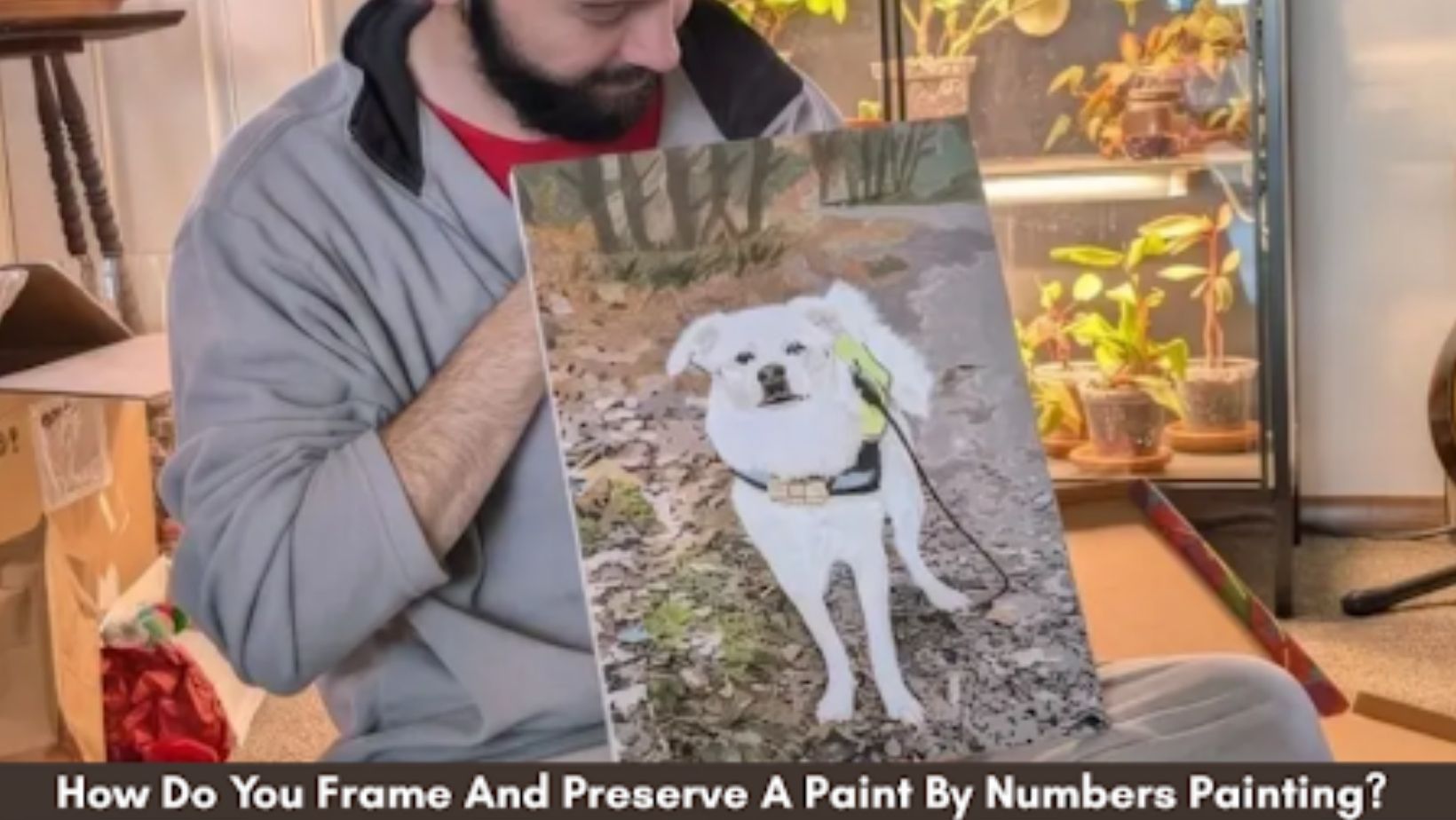

Have you ever taken hours to complete your paint by numbers canvas and then ended up confused as to what to do next?
After putting in so much time and effort, it can be frustrating not knowing how to present your finished artwork properly. Furthermore, after completion, satisfaction comes with hesitation since mounting and securing the artwork is usually not clear.
This makes most of the finished canvases being set aside or rolled up rather than being hung to be appreciated. However, the process of framing and preserving your painting does not have to be complex.
Using an organized method and the correct materials, you will be able to make your completed canvas a display-worthy object, which can appear classy and last many years. Therefore, with proper preparation, stretching, framing, sealing, and protection, you not only guarantee durability but also show quality presentation.
This article discusses how to frame and preserve your paint by numbers painting with clarity and confidence.
1. Prepare Canvas After Painting
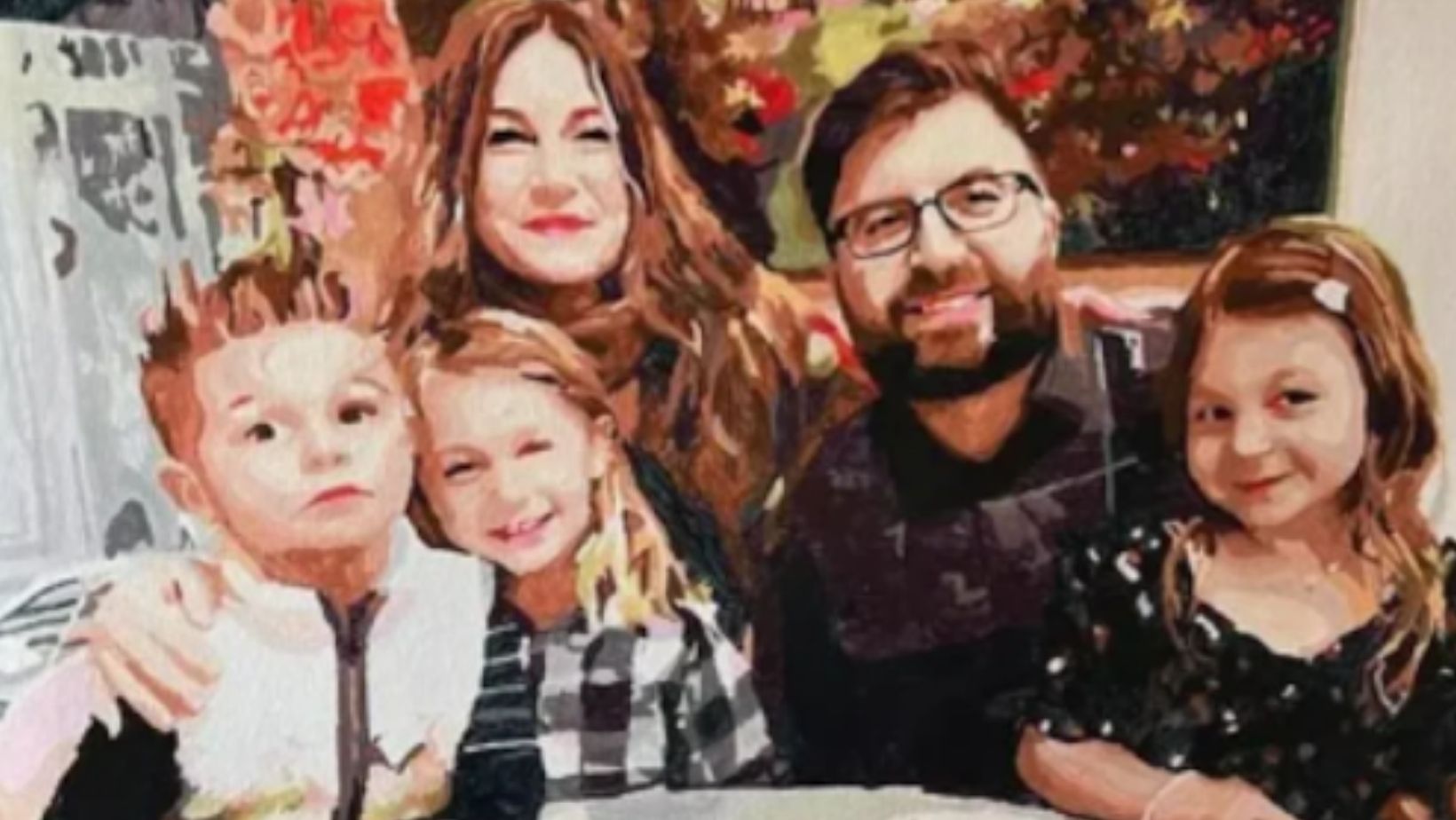
Your paint by numbers artwork should be thoroughly dry and stable before proceeding. Although the surface might be dry to the touch, acrylic paint takes more time to dry completely.
Thus, allow the painting to dry for 24 to 48 hours before working on it. This helps to avoid smudging and safeguards the painted surface from accidental pressure or marks.
Then dry the canvas lightly with a soft dry cloth to get off dust or loose paint particles. At this point, check the painting thoroughly in the case of uneven coverage or tiny gaps that may require some slight corrections.
If you’re working on a kit from Canvas by Numbers, this is also the perfect moment to ensure each numbered section is fully filled and consistent. Addressing these final details now ensures your finished piece looks polished and professional once framed. The correct preparation, thus, forms the basis of visual quality as well as the long-term preservation.
2. Stretch Canvas on Support Frame
When the painting is completely dry, the next step is to give the painting structural support. The majority of the paint by numbers canvases arrive rolled, and this implies that they should be stretched before framing.
Without support, the canvas may wrinkle or even sag, hence influencing the way it looks and its longevity. To start the stretching process, first, lay the canvas face down on a clean, flat surface. Position the assembled stretcher bars in the middle and place them evenly.
Next, work at the center of each side and stretch the canvas and stick it with staples. At the end, approach the corners slowly with the same tension. The technique makes the surface smooth and balanced.
Consequently, the stretched canvas becomes stable and professional in appearance. More importantly, correct tension prevents distortion of the painting in the future.
3. Select Frame and Archival Materials
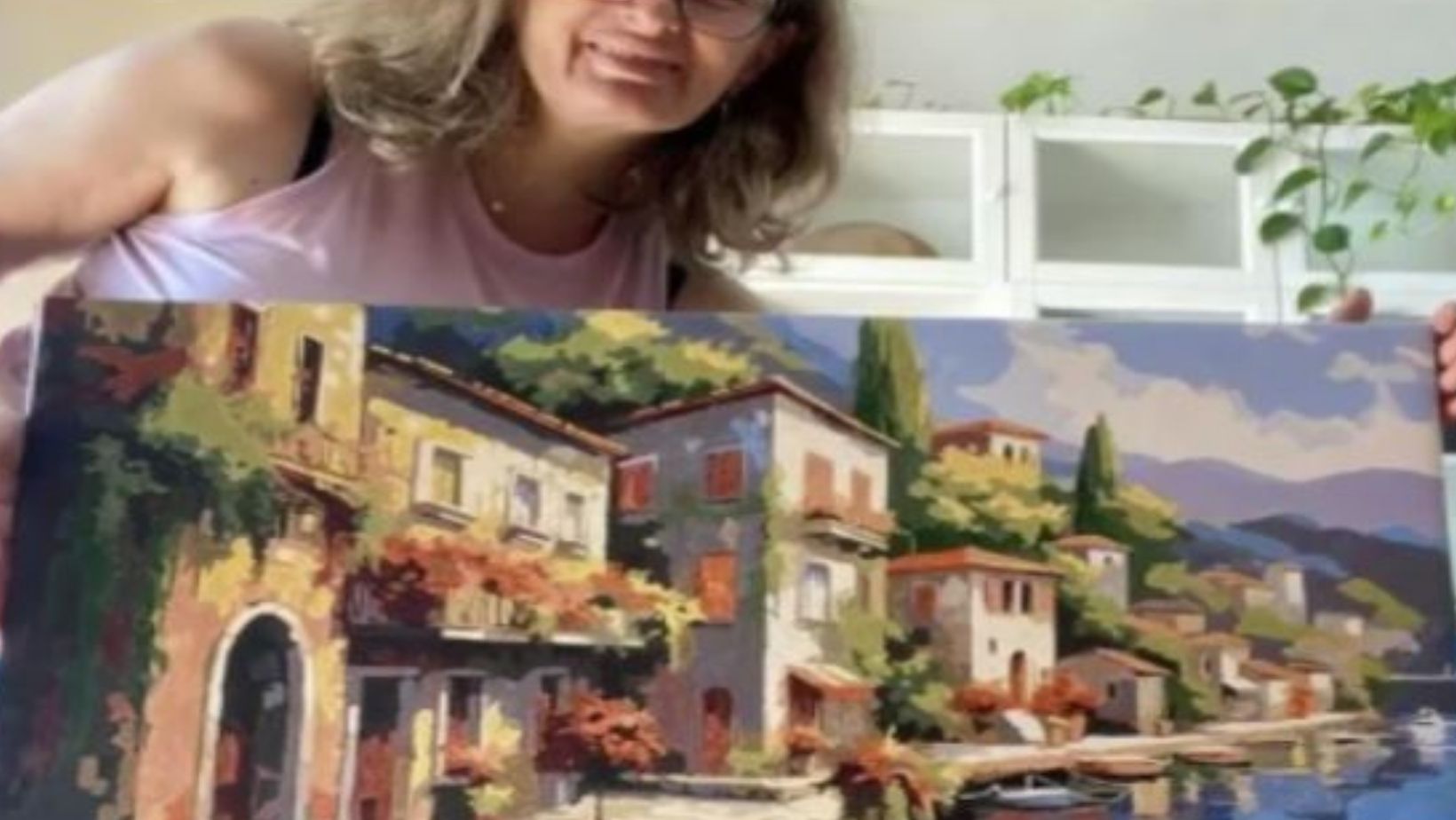
Once the canvas has been stretched, it is necessary to choose appropriate framing materials. The frame must complement the artwork, but at the same time, it should ensure long-term preservation.
Moreover, floating frames are used to give volume to stretched canvases, whereas the use of traditional frames needs proper backing to keep the canvas stable. It is also important to use acid-free backing boards and mats, as ordinary cardboard may result in discoloration with time.
In addition, the canvas and the paint layer are preserved by the archival-quality materials so that they are not worn down over time. Also, take into account UV-protective glass or acrylic, particularly in sunny environments.
Lastly, make sure that measurements are accurate so that the art does not press against the wall or become crooked.
4. Secure Artwork Inside Frame Properly
With materials prepared, mounting the artwork requires careful attention. First, clean the interior of the frame and any glazing to eliminate dust or fingerprints. Even small particles become noticeable once sealed, so thorough preparation matters.

Next, position the stretched canvas evenly inside the frame. Confirm consistent spacing along all edges before securing it with acid-free mounting hardware or frame clips. If glazing is used, ensure the painted surface does not press directly against the glass. Furthermore, slight spacing allows airflow and reduces moisture buildup.
After securing the backing, inspect the frame from multiple angles. This final check ensures stability and alignment. Proper installation at this stage prevents shifting, warping, or unnecessary stress on the canvas over time.
5. Apply Protective Sealer for Surface Preservation
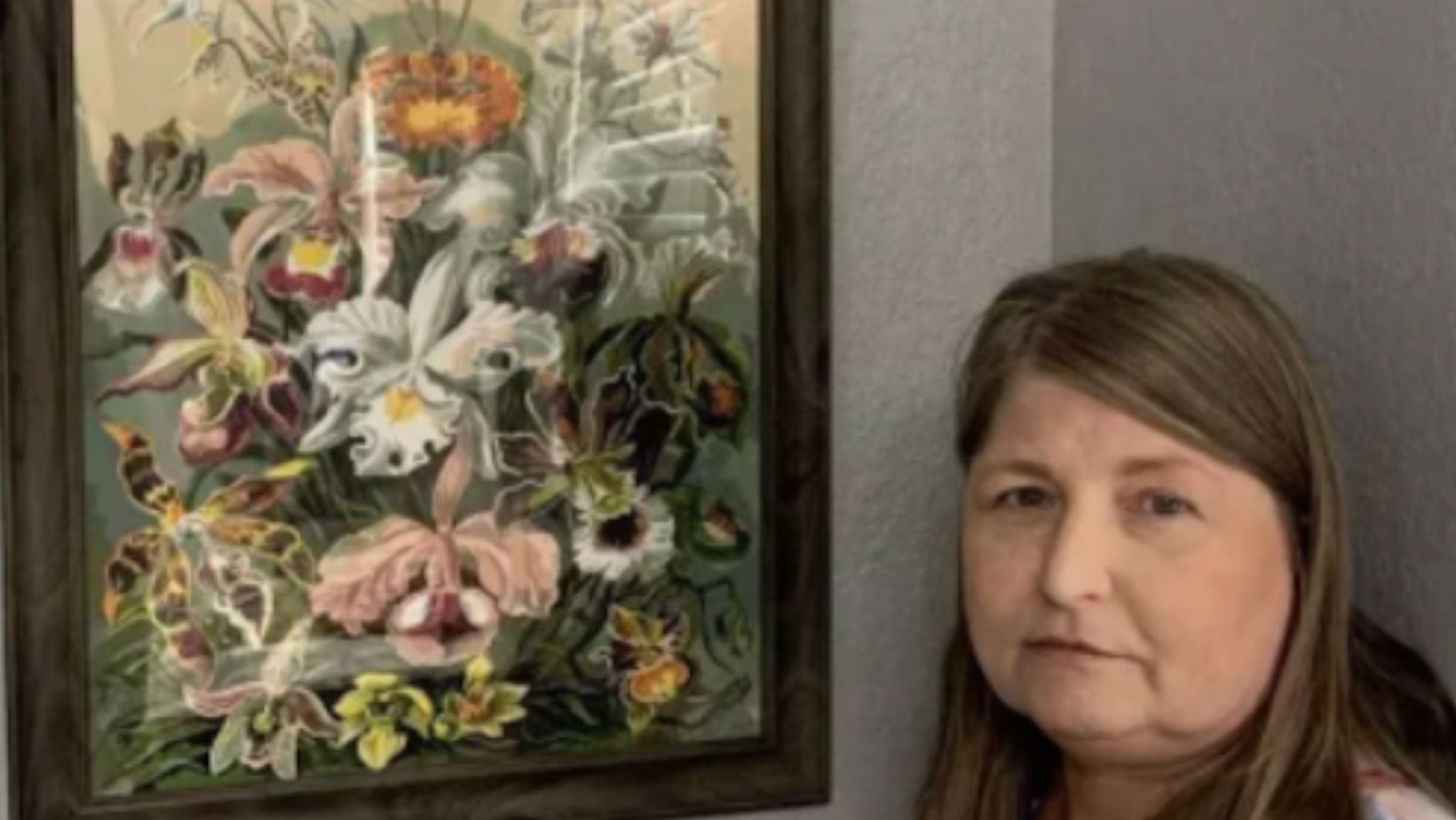
Beyond structural framing, surface protection plays a direct role in preservation. Once the paint is completely dry, applying a clear acrylic sealer or varnish helps protect the artwork from dust, UV exposure, and minor surface damage. This step strengthens the paint layer and enhances color longevity.
Before applying the sealer, ensure the surface is clean and fully cured. Then use a soft brush or spray varnish designed specifically for acrylic paintings. Apply thin, even coats rather than a single heavy layer, allowing proper drying time between applications. This controlled process prevents streaking and ensures consistent coverage.
Consequently, sealing the surface adds measurable protection and supports long-term durability. When combined with proper framing, this step ensures the painting maintains its appearance for years without fading or surface wear.
Final Thoughts
Framing and preserving your paint by numbers painting completes the creative effort you invested from the first brushstroke to the final detail.
By preparing the canvas carefully, stretching it securely, selecting archival materials, mounting it properly, and applying protective sealing, you create a finished piece that is both visually refined and structurally sound.
Moreover, each step builds upon the previous one, strengthening durability while enhancing presentation. When executed with care, these methods ensure your artwork remains vibrant, stable, and display-ready.
With the right approach, your completed painting becomes lasting wall art that reflects both creativity and thoughtful preservation.
What's Your Reaction?