Custom Deck Design: What to Check Before Planning a New Patio Deck

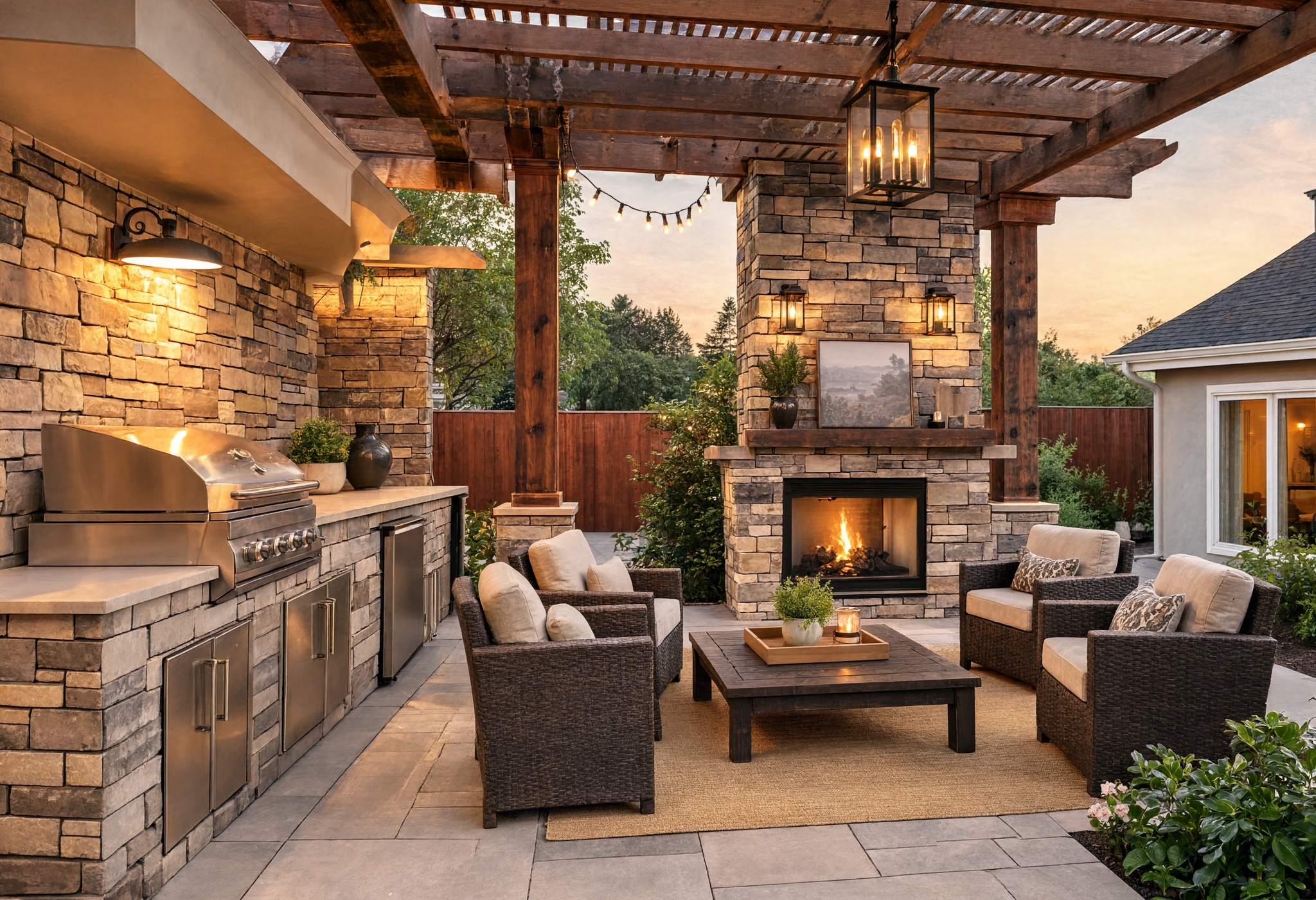

Planning a new deck usually starts with the fun part. A few chairs outside. Maybe a grill. Maybe a pergola if the yard gets too much sun. Then the idea grows. An outdoor kitchen. A fireplace. A seating area by the garden. Maybe something near the pool. Suddenly the simple patio deck has turned into a dream deck. That part is fun, and it should stay fun.
But before choosing colors, railings, or composite decking, look at the real yard. Not the inspiration photo saved on your phone. The actual outdoor space behind the house. Where does rain sit after a storm? Which side gets hot in summer? Is there easy access from the kitchen or main house? Will people step straight outside, or will they have to walk around the porch every time? Good custom deck design starts there.
Let the Yard Shape the Deck
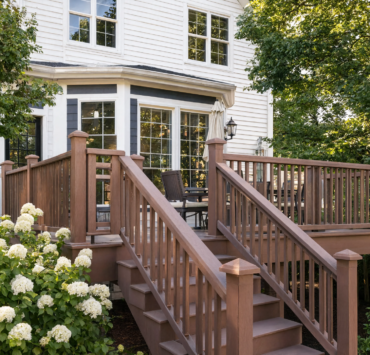
A custom deck design should feel like it belongs to the house, not like a platform dropped behind it as an afterthought. A flat yard may only need one simple patio deck, or maybe a clean transition to a concrete patio below. A wider yard may allow the deck to wrap around part of the house, while a sloped yard may need stairs, a landing, or a multi-level deck to make the ground easier to use.
Drainage is a big detail. If water already collects near the wall, building over it will not fix anything. Proper grading helps control how runoff moves around the foundation. The area around the deck should direct water away from the home so rain does not sit against joists, boards, or nearby materials. In wet areas, pressure-treated lumber is often used for structural parts because it helps resist rot. This is not the exciting part of planning, but it is what keeps a new deck from becoming a repair project too soon.
Match Patio Deck Design Ideas to Real Life
A patio deck should fit how people actually live outside. Some families want space for entertaining friends. Others need a quiet coffee corner, room for kids to play, or a better connection between indoor rooms and the yard. Outdoor living spaces can be inspired by photos, but the final layout should still follow real habits. All of that changes the deck design.
A fireplace needs room around it. A gazebo can provide shelter, but in a small yard, it may crowd the whole patio. A patio cover helps with rain or strong sun, and the design can incorporate shade without making the room inside the house feel dark. The same is true for a pergola. It can create shade and make the complete layout feel finished, but only if it sits where people will use it.
Sometimes the better idea is simpler: clean stairs, useful lighting, enough seating, and open space to move without bumping into furniture.
Materials Are About Maintenance Too
Wood has natural beauty. It works with traditional homes, stone paths, older landscaping, and garden edges. Western Red Cedar is often valued in wet climates because of its decay resistance. Still, wood needs care.
Composite decking is popular because it is durable and low-maintenance. Trex is one name homeowners often explore when comparing styles and colors. Trex Deck Designer is a free 3D design tool, and it can help with early design ideas, possibilities, and layouts before the project moves too far.
Useful? Yes. A final answer? No. A designer tool cannot fully judge slope, soil, drainage, access, environment, or how the deck will connect to the house. It can help you picture the design, but it cannot replace checking the site conditions before the heavy fall rains arrive.
Check Permits Before You Love the Layout
Permits are boring, but they matter. Seattle generally requires a construction permit for decks more than 18 inches above the ground. Decks more than 30 inches above adjacent surfaces usually need guardrails, and Seattle requires those guards to be at least 36 inches tall. In Seattle, decks more than 36 inches above the ground can count toward a property’s maximum allowable lot coverage. Setback rules can also affect elevated decks, and decks in or near environmentally critical areas may require a pre-application site visit before permit review.
Auburn and nearby cities may handle permit details differently, so checking early is safer than redesigning later. Check local government websites or contact local building offices for current codes and permit procedures. That is why homeowners may talk with a deck builder in Auburn before getting too attached to one layout.
Know When to Bring in a Builder for Your Outdoor Living Space
Save the photos and explore modern deck designs, but do not let the photos make every decision. In Seattle, many homeowners lean toward clean lines, covered areas, and Pacific Northwest materials that can handle rain. Compare styles, covers, pool ideas, and outdoor living features, then narrow them down to what actually fits the yard, the budget, and the way people will use the space.
Before the layout goes too far, it helps to check a few practical details:
- Does the deck complement the house instead of looking added on?
- Can people move through the space easily?
- Will rain drain away from the deck and the home?
- Would covers, pergolas, or other weather protection features help extend deck use during rainy seasons?
- Is there enough access for crews and building materials?
- Is this a surface replacement, or is the project starting from scratch?
- If planning starts in spring, can the construction schedule still make sense before summer arrives?
A new deck should connect indoor and outdoor living areas instead of interrupting them. Details like glass doors, wide steps, and clear sightlines can make that transition feel smoother. When the layout fits the house, the yard, and the family’s real habits, the final result feels easier to use and easier to live with. It also gives people a comfortable place to soak up the sun when the weather allows. Landscape architects can help with the big picture, but the best layouts are often shaped by the house and site, not photos alone.
This is where a local deck builder can make planning less uncertain. A good contractor can walk the site, spot problems early, and explain what makes sense before the project becomes expensive to change. That kind of planning supports a proper installation that can stand up to local weather year-round.
What's Your Reaction?