
Refrigerated Container Rental Price: What to Expect and How to Save

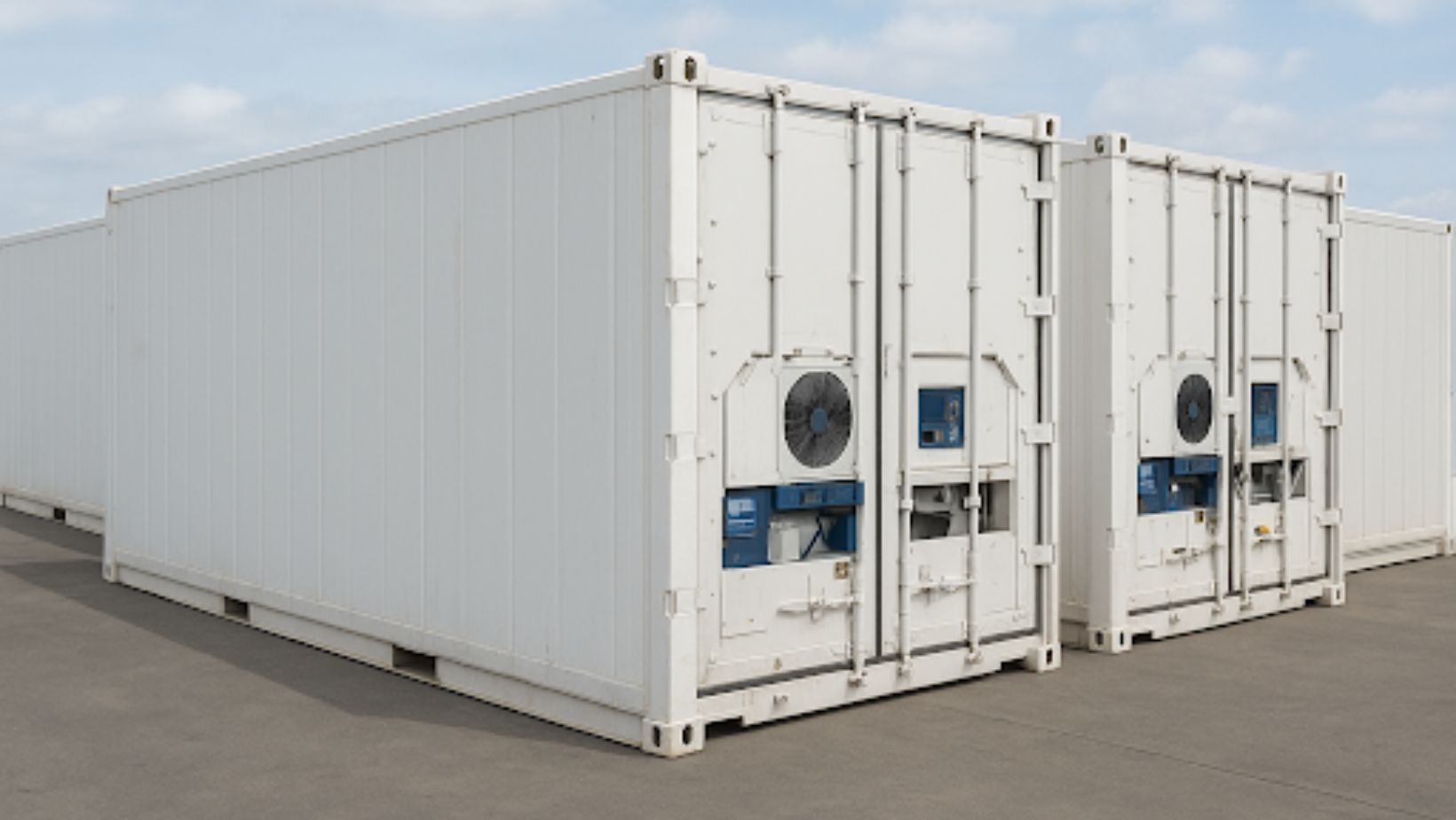

In today’s fast-paced industries, maintaining the quality and safety of perishable goods is more important than ever. Businesses often require flexible storage solutions that can adapt to fluctuating demands and seasonal needs. If you’re in need of a reliable refrigerated container rental solution, understanding pricing is essential before committing. These specialized containers provide temperature-controlled storage for perishable goods, pharmaceuticals, or sensitive materials. Costs can vary widely depending on factors like container size, rental duration, location, and additional services. In this article, we break down what you can expect to pay and practical ways to optimize your rental expenses.
Understanding Refrigerated Container Rental
A refrigerated container, also known as a “reefer,” is designed to maintain a stable, controlled environment for goods that require specific temperatures. These containers are commonly used in industries such as food and beverage, pharmaceuticals, and event logistics. Unlike standard storage units, refrigerated containers come equipped with integrated cooling systems capable of maintaining temperatures ranging from -30°C to +30°C, depending on the unit type.
The rental model is ideal for businesses with temporary storage needs or fluctuating demand. Purchasing a refrigerated container outright can be prohibitively expensive, while renting provides flexibility, reduces upfront costs, and allows for easier scalability.
Factors That Influence Refrigerated Container Rental Price
Several variables contribute to the cost of a refrigerated container rental. Understanding these factors will help you budget more effectively and make informed decisions.
1. Container Size
Refrigerated containers come in multiple sizes, typically 10, 20, and 40 feet in length. Naturally, larger containers cost more to rent due to higher energy consumption and initial equipment investment. For small-scale operations or temporary events, a 10- or 20-foot unit may suffice, while larger warehouses or distribution centers might require multiple 40-foot units.
2. Rental Duration
The length of the rental period significantly affects pricing. Short-term rentals, such as those lasting a few weeks, usually carry higher daily rates than long-term agreements. Long-term contracts provide more predictable pricing and can include maintenance, technical support, and delivery services. Businesses that frequently need reefer storage for seasonal products may benefit from negotiated long-term contracts.
3. Temperature Range
The cooling requirements of your cargo play a critical role in pricing. Standard refrigerated containers maintain temperatures between 0°C and +8°C.
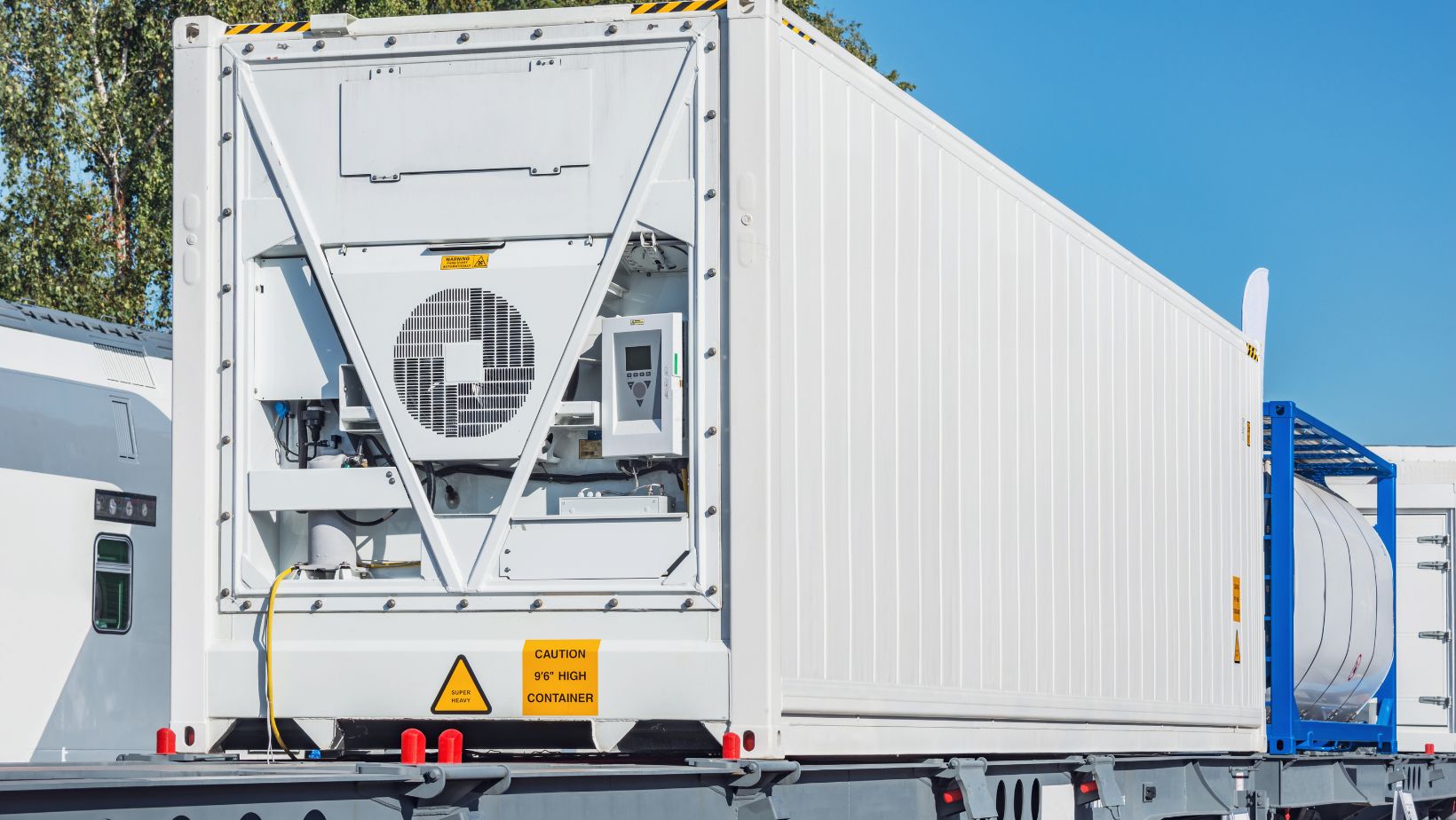
However, if your goods require deep freezing (down to -30°C), specialized units with advanced insulation and high-performance compressors are necessary, which will increase rental costs.
4. Delivery and Installation
Some rental providers include delivery, installation, and pickup fees in the rental cost, while others charge separately. Urban locations or remote sites may incur additional transport fees. Make sure to clarify these details upfront, as they can substantially impact the overall cost.
5. Power Supply Requirements
Refrigerated containers require a reliable electricity source to maintain optimal temperature. Depending on your location, you may need additional power infrastructure such as generators or dedicated circuits, which can increase costs.
6. Maintenance and Support
Most rental services provide basic maintenance, but premium packages may include 24/7 technical support, temperature monitoring, and preventive servicing. This additional support can prevent costly downtime or spoilage, but comes at a higher price.
Typical Refrigerated Container Rental Prices
While prices vary depending on the factors above, here’s a general guideline for what you can expect in the U.S. market:
- 10-foot unit: $200–$400 per week
- 20-foot unit: $400–$700 per week
- 40-foot unit: $800–$1,500 per week
Monthly rates often provide a discount compared to weekly pricing. For instance, a 20-foot container may cost $1,500–$2,500 per month, depending on additional services. These estimates may fluctuate based on region, availability, and seasonal demand.
Ways to Reduce Refrigerated Container Rental Costs
While refrigerated containers are inherently more expensive than standard storage, there are practical ways to reduce rental costs without compromising quality.
1. Choose the Right Size
Avoid overestimating your storage needs. Renting a larger container than necessary not only increases the rental fee but also results in higher electricity costs. Accurate assessment of your volume requirements can save significant money.

2. Opt for Long-Term Rentals
If you need a refrigerated container for several months, consider negotiating a long-term rental contract. Providers often offer substantial discounts for extended agreements, especially if you commit to recurring rentals.
3. Schedule Rentals in Advance
Booking containers ahead of peak seasons ensures better availability and lower rates. Last-minute rentals often come with premium charges due to limited supply.
4. Consolidate Deliveries
If you require multiple containers, arranging delivery and pickup for several units at once can reduce transport costs. Coordinating logistics efficiently minimizes repetitive fees.
5. Maintain Proper Usage
Refrigerated containers are more efficient when operated correctly. Avoid leaving doors open unnecessarily, maintain proper load spacing for airflow, and monitor temperature settings. Proper usage reduces energy consumption, lowering electricity-related costs if you are responsible for power expenses.
6. Consider Refurbished or Standard Units
Brand-new refrigerated containers carry premium prices. Some rental providers offer refurbished units at a lower cost, which can be a viable option for short-term or less critical storage needs. Ensure these units are certified and maintain proper cooling performance.
Key Questions to Ask Rental Providers
Before committing to a refrigerated container rental, ask the provider the following questions:
- What is included in the rental price (delivery, setup, maintenance)?
- Are there long-term rental discounts or seasonal pricing considerations?
- What is the minimum and maximum temperature range?
- Are refurbished units available, and are they certified?
- Is 24/7 technical support included or optional?
- What are the power requirements, and are generators available if needed?
Having clear answers ensures there are no unexpected costs and that the container meets your specific requirements.
Understanding the factors that influence refrigerated container rental pricing is crucial for budgeting and operational efficiency. Container size, rental duration, temperature range, delivery logistics, and additional features all play a role in determining costs. By planning ahead, choosing the appropriate size, negotiating long-term contracts, and optimizing usage, businesses can reduce expenses while maintaining reliable temperature-controlled storage.
What's Your Reaction?