
Why glare is more than just an annoyance for sensitive eyes

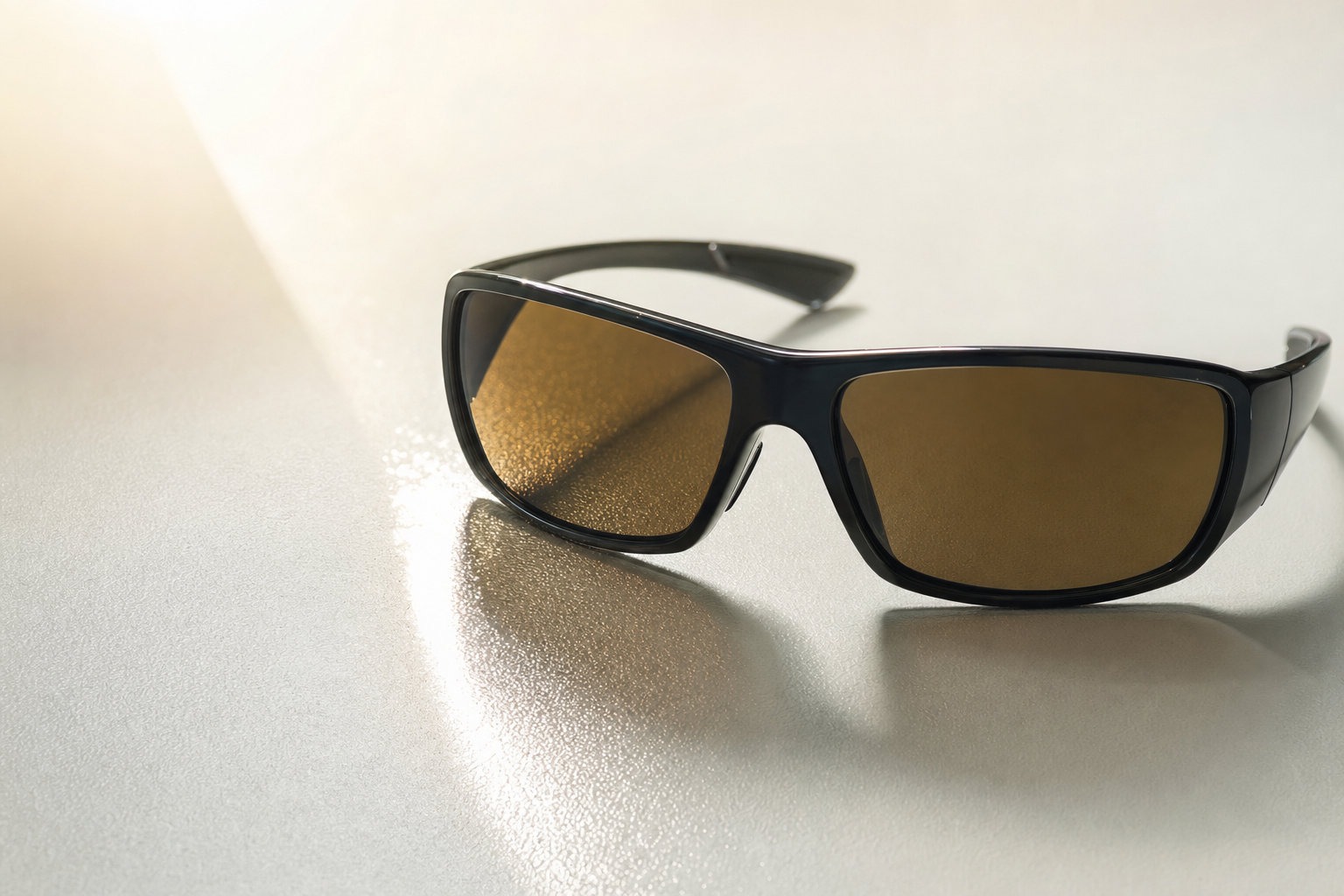

Glare can cause far more than minor discomfort, especially for people with sensitive eyes. For those dealing with light sensitivity, migraines, dry eye, or recent vision correction, glare often triggers significant visual challenges. Understanding the true impact of glare is essential for protecting visual comfort and eye health in daily life.
Glare, whether from direct sunlight or reflected off shiny surfaces, can disrupt activities and cause lasting irritation for sensitive eyes. Many people turn to glare reducing glasses for relief as ordinary sunglasses may not filter the wavelengths that cause the most discomfort. In these situations, sunglasses that reduce glare can be a practical way to maintain clearer vision and reduce day-to-day strain. Recognizing why glare is more than a trivial annoyance is key for anyone managing underlying ocular conditions, photophobia, or recovery after surgery.
The real effects of glare on sensitive eyes
For most people, glare is a brief distraction, but those with sensitive eyes experience exaggerated symptoms like eye strain, watering, and squinting. The excess light from glare can reduce contrast and overwhelm the eye, making it harder to see details and causing disturbances that linger beyond the initial exposure. Many find that anti glare sunglasses help in bright settings where contrast loss is most noticeable. Sensitive individuals may also find their performance at work or school suffers, especially in environments with overhead lighting or frequent outdoor transitions.
Glare especially troubles those with migraines, persistent dry eye, or recent corrective eye procedures. Because their eyes have limited ability to filter harsh light, even small exposures can cause intense discomfort. In these moments, glare reducing sunglasses can reduce the intensity of sharp highlights and make environments easier to tolerate. Routine tasks like reading a menu near a window, driving at sunrise, or looking at a screen under ceiling lights become unexpectedly challenging, underscoring that glare is not just a nuisance but a significant barrier to daily function.
How direct sunlight and reflected glare increase discomfort
Direct sunlight subjects eyes to intense rays that can quickly induce pain or blur vision. For people with migraines or light sensitivity, a brief encounter with bright sunlight often leads to headaches, excessive blinking, or an aching sensation that may last hours. Choosing the best sunglasses for glare can help reduce the harshness of direct daylight and support more stable comfort outdoors. The heightened sensitivity can make routine daylight activities daunting and push individuals to avoid situations that others may find harmless.
Reflected glare, such as sunlight bouncing off glass, water, or polished floors, bombards the eyes from unexpected angles. This scatter of intense light can startle and disorient, making environments like offices, stores, or city streets more difficult to navigate. In highly reflective spaces, sunglasses that reduce glare can lessen sudden flashes that lead to squinting and visual fatigue. Sensitive eyes are particularly vulnerable to these sudden flashes, as the eye’s filtering mechanisms are easily overwhelmed, amplifying discomfort and the risk of ongoing irritation.
Practical approaches to managing glare for sensitive eyes
To counter the challenges of glare, sensitive individuals often adopt multiple practical strategies. Wearing hats, visors, and specifically designed glare reducing sunglasses helps block and filter the most uncomfortable wavelengths. Some also keep anti glare sunglasses available for indoor lighting situations that can feel surprisingly harsh. Arranging seating in offices or cafes to face away from bright windows and using window coverings also limits exposure and supports visual comfort.
Modern eyewear, like glasses with selective tints or polarized coatings, can filter out the most disruptive wavelengths. When evaluating options, the best sunglasses for glare are often those that preserve contrast while cutting sharp reflections. Adjusting screens or choosing matte monitors, taking breaks in shaded areas, and avoiding shiny surfaces where possible can further lessen glare’s impact. Applying these changes helps people with sensitive eyes participate in daily life, working, driving, or socializing, with greater confidence and less strain.
Why awareness of glare matters for ongoing visual health
Recognizing the profound impact glare has on sensitive eyes highlights the need for dedicated protection and habit changes. For those living with light sensitivity, migraines, or post-surgical vision changes, managing glare can conserve eye health and prevent flare-ups. Strategies such as seeking shade, modifying lighting, and choosing suitable eyewear make a noticeable difference in comfort and quality of life, especially when sunglasses that reduce glare are used consistently.
Being proactive about glare does more than relieve minor annoyance, it sustains wellbeing amid modern environments filled with reflective materials, artificial lighting, and ubiquitous screens. For many, anti glare sunglasses can also help during commuting or shopping where overhead lights and glossy surfaces create constant visual stress. Understanding and mitigating glare’s effects allows sensitive eyes to recover and function without persistent disturbance, underscoring why glare deserves serious attention beyond initial irritation.