
Wild Beauty, Gentle Soul: Is a Bengal Cat the Right Indoor Pet for Your Family?

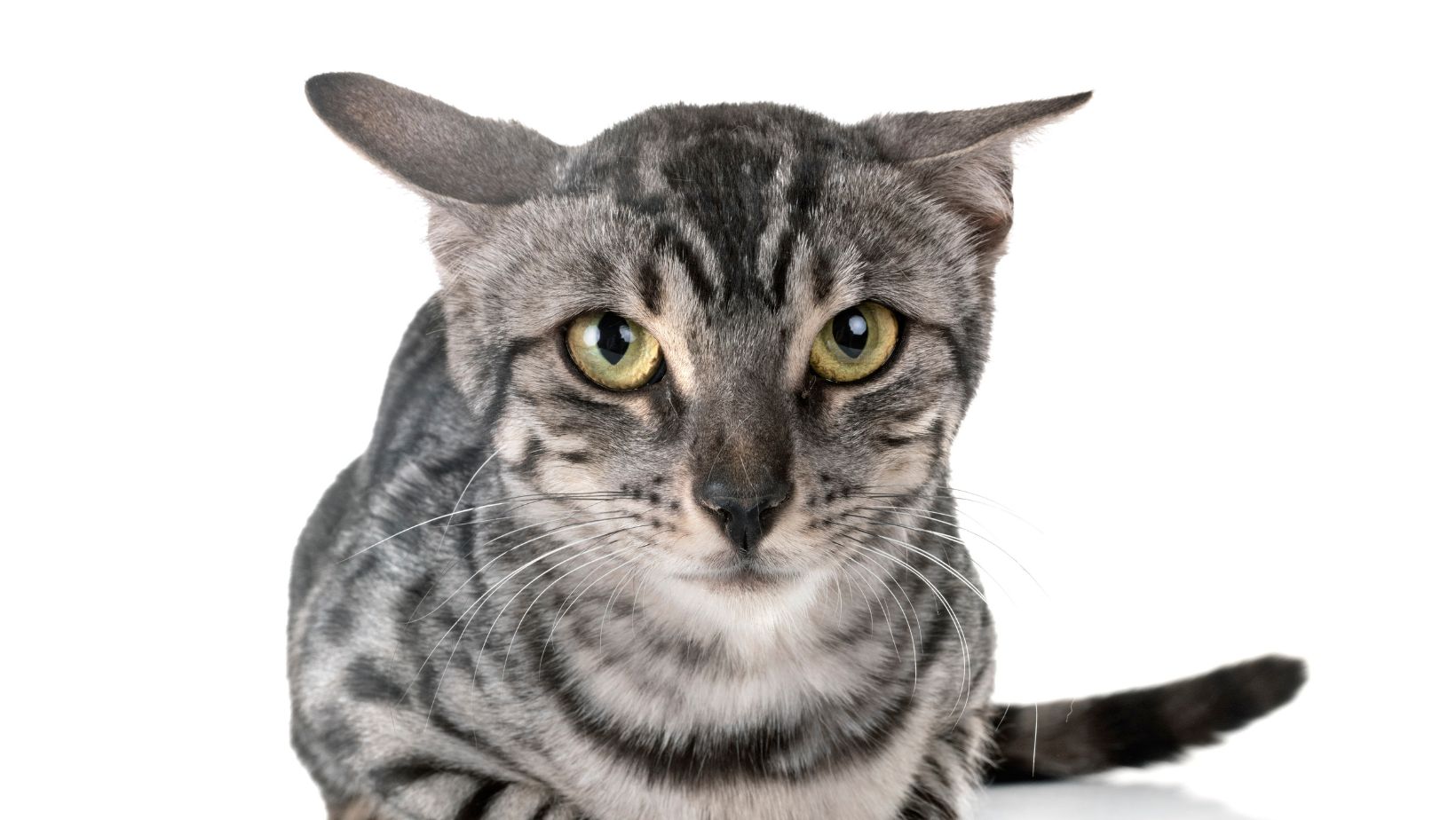

There’s something undeniably magnetic about a Bengal cat. The spotted coat that shimmers like sunlight through a jungle canopy. The athletic build that seems permanently coiled, ready to spring. The bright, intelligent eyes that always appear to be calculating something. It’s easy to see why so many people fall in love with this breed at first glance — and equally easy to wonder whether such a wild-looking creature could really thrive as a family companion indoors.
The short answer is yes. But the fuller answer is more nuanced, and understanding it will help you decide whether a Bengal is the right match for your home, your lifestyle, and your family.
The Bengal Cat: Where Wild Ancestry Meets Domestic Life
A Breed With a Fascinating Origin Story
The Bengal cat is unlike any other domestic breed in one very specific way: its ancestry includes the Asian Leopard Cat, a small wild feline native to South and Southeast Asia. The breed was developed in the 1970s and 1980s through crossbreeding programs designed to create a cat with the striking coat of a wild cat and the temperament of a loving companion. The result — after several generations of careful selective breeding — is what we know today as the Bengal.
Modern Bengals are fully domestic cats. The “wild” element in their lineage is many generations removed. But it has left its mark, both in their breathtaking appearance and in certain personality traits that make this breed stand out from the average house cat.
What Makes the Bengal Coat So Special
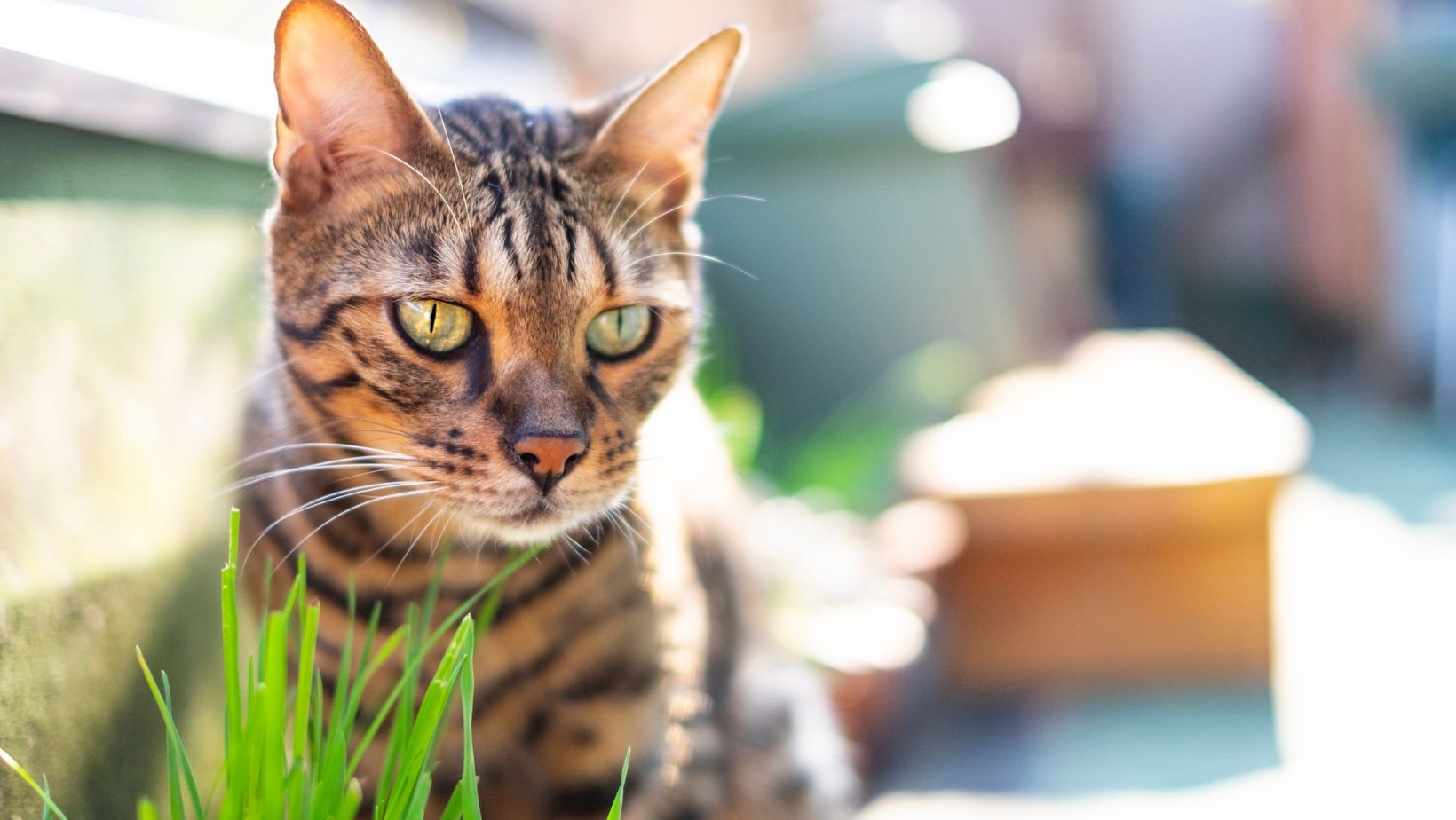
The Bengal’s coat is genuinely one of a kind. Unlike most domestic cats, Bengals have a pelt-like texture — incredibly soft and dense, with a natural iridescence sometimes described as “glitter.” Their markings come in two main patterns: spotted (resembling a leopard) and marbled (swirling, flowing patterns unique to each cat). According to the International Cat Association (TICA), the Bengal is one of the most popular registered breeds in the world, a status driven largely by that extraordinary coat.
Are Bengal Cats Good Pets? The Honest Answer
Intelligence That Will Impress — and Challenge — You
Are Bengal cats good pets? For the right owner, absolutely. Bengals are widely regarded as one of the most intelligent domestic cat breeds. They learn quickly, solve problems creatively, and pick up new tricks with remarkable ease. Many Bengal owners report their cats figuring out how to open cabinets, turn on taps, or retrieve toys on command — behaviors more commonly associated with dogs than cats.
That intelligence is part of what makes them such engaging companions. Life with a Bengal is rarely dull. But it also means they need consistent mental stimulation. A bored Bengal will find its own entertainment — and you may not always approve of what it chooses.
The Emotional Side: Affectionate but on Their Own Terms
Bengals form deep bonds with their families. They tend to pick a favorite person and follow them loyally from room to room. They enjoy being involved in whatever is happening — watching you cook, supervising your work calls, investigating every grocery bag you bring home. That said, they’re not lap cats by default. They show affection actively and on the move rather than through long cuddle sessions, which suits some owners perfectly and surprises others.
Energy and Exercise: Be Prepared to Keep Up
Bengal cats as pets require a meaningful daily time commitment when it comes to exercise and play. These are high-energy animals. Two to three dedicated interactive play sessions per day isn’t an exaggeration — it’s genuinely what they need to stay physically and emotionally balanced. Feather wands, laser pointers, puzzle feeders, and rotating toy selections all help keep them engaged.
Here’s a quick snapshot of what Bengal ownership typically involves on a daily basis:
- Morning play session (10–15 minutes) to burn energy before you start your day
- Environmental enrichment — cat trees, wall shelves, and hiding spots to explore independently
- Mental stimulation — puzzle feeders, training sessions, or new toys introduced regularly
- Evening interactive play — the most important session, mimicking the natural hunt-catch-eat routine
- Social time — conversation, petting, and engagement; Bengals are chatty and communicative
Neglecting these needs doesn’t just lead to a restless cat — it can result in destructive behavior, attention-seeking problems, and stress-related health issues.
Bengal Cats as Indoor Pets: Can It Work?
Yes — and in many ways, keeping Bengal cats as indoor pets is actually the recommended approach. While their energy and curiosity might make you assume they need outdoor space, the reality is that the outdoors poses significant risks: traffic, predators, disease exposure, and the possibility of escape. Bengals kept indoors live longer, healthier lives on average.
The key to making indoor life work for a Bengal is enrichment. They need vertical territory — tall cat trees, wall-mounted shelving, or dedicated climbing spaces. They thrive with windows that offer bird-watching opportunities. And they do remarkably well with a feline companion, since having another cat to play and interact with can make a significant difference in their contentment during hours when the family is away.
| Enrichment Type | Examples | Importance Level |
| Vertical space | Cat trees, wall shelves, perches | High |
| Interactive toys | Feather wands, laser pointers | High |
| Mental stimulation | Puzzle feeders, training games | High |
| Feline companionship | Second cat or kitten | Medium–High |
| Window access | Bird feeders outside, perch near glass | Medium |
Are Bengal Cats Good for Families?
With Children: Energetic, Playful, and Surprisingly Patient
Bengals can be wonderful with children — particularly older kids who understand how to interact respectfully with an animal. Their playful, active nature makes them natural companions for kids who enjoy interactive games and are willing to participate in play sessions. A Bengal will happily chase toys, learn tricks alongside children, and engage in the kind of lively interaction that younger family members often love.
With very young children, supervision matters. Not because Bengals are aggressive — they’re generally not — but because their high energy can be overwhelming for toddlers, and like any cat, they deserve to have their boundaries respected.
With Other Pets: Social, But Selective
Bengals are generally sociable with other animals, especially when introductions are handled gradually. They often do well with dogs that have a calm or playful temperament. With other cats, the dynamic depends largely on personality — Bengals can be dominant, so a confident but non-aggressive feline companion tends to work best. The American Animal Hospital Association (AAHA) recommends slow, scent-based introductions over several days before any direct contact between new pets.
Bengal Cat: Wild in Appearance, Gentle at Heart
The Bengal cat is, without question, one of the most captivating breeds in the world. Wild in appearance, deeply affectionate at heart, and endlessly engaging to live with — they reward the right owner with a bond that’s unlike anything a more conventional cat can offer. They thrive indoors when their needs are met, they connect warmly with families who have the time and energy to match their pace, and they bring a sense of vitality and wonder into every home they join.
Frequently Asked Questions
1. Are Bengal cats good pets for first-time owners?

Bengals can be rewarding for first-time owners who have done their research and are genuinely prepared for an active, engaged pet. That said, they’re more demanding than many other breeds, so first-timers should go in with realistic expectations and a solid enrichment plan.
2. Can Bengal cats live happily as indoor pets?
Yes — indoor life is actually recommended for Bengals to keep them safe. The key is providing ample enrichment: climbing spaces, interactive toys, puzzle feeders, and ideally a feline companion to keep them stimulated during quiet hours.
3. Are Bengal cats friendly with children?
Generally yes, particularly with older children who know how to interact respectfully. Their playful, energetic nature makes them great companions for kids who enjoy active games and participation in training.
4. How much exercise does a Bengal cat need each day?
Bengals need at least two to three dedicated interactive play sessions daily, plus ongoing environmental enrichment. Think of it as a commitment similar to walking a dog — consistent and non-negotiable for their wellbeing.
5. Do Bengal cats get along with other cats or dogs?
Usually yes, with proper introductions. They tend to do best with confident, playful companions — whether feline or canine. Slow, scent-based introductions over several days help ensure a smooth transition.