Your Storefront Window Just Went In. The Next Hour Decides How Bad This Gets

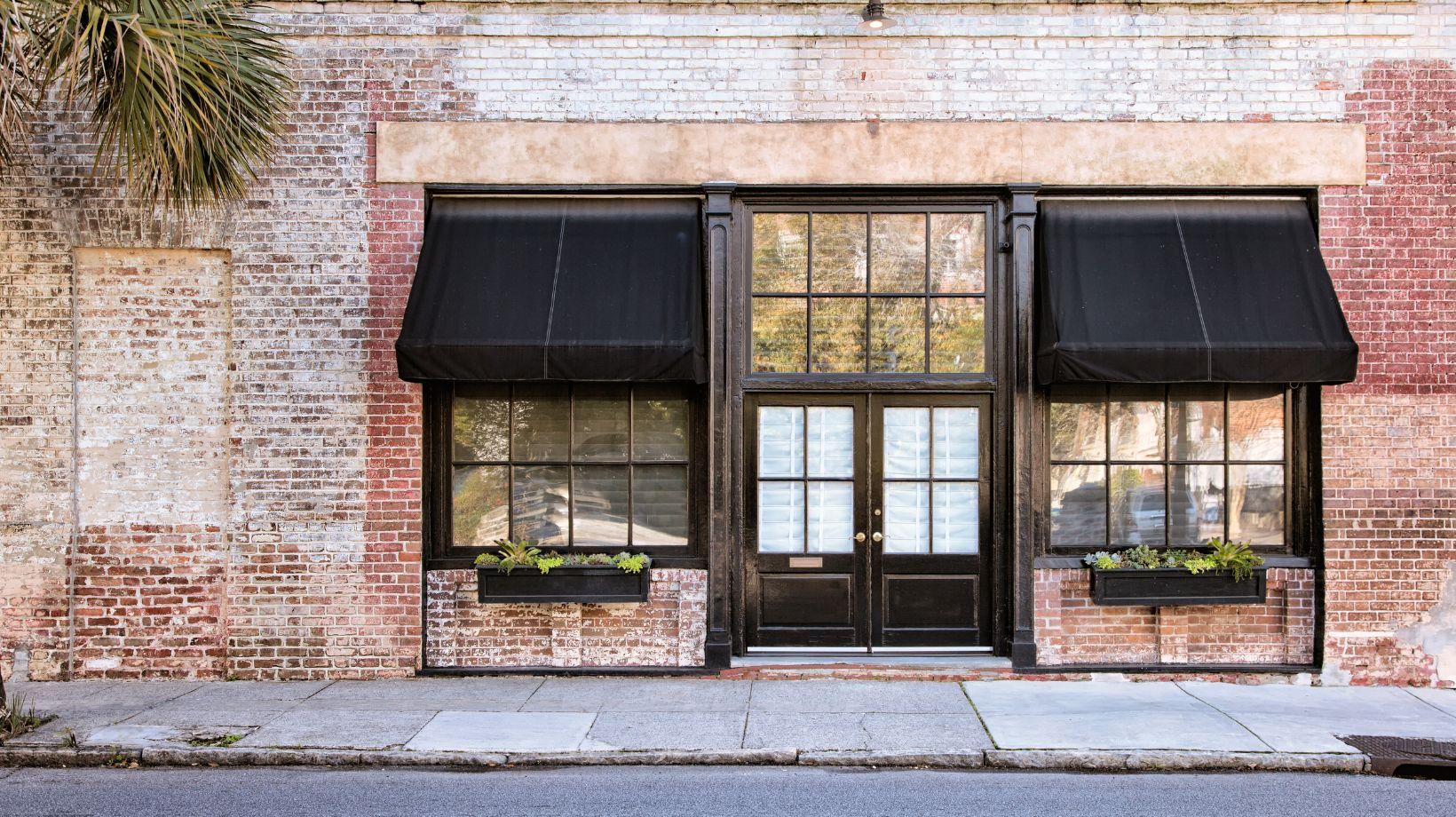

It's 6:40 on a Tuesday morning and your phone rings. It's the alarm company, or the neighbour two doors down, or whoever opens up. The front glass is on the sidewalk. Nobody's hurt. And now you've got roughly an hour before the choices you make, or don't make, start costing you money you won't get back.
Broken glass looks like a problem with one obvious answer: get someone out to replace it. That's true, but it's the last step, not the first. The stretch between finding the damage and the glazier pulling up is where people quietly create second and third problems for themselves. Claims get trimmed. A building gets hit again overnight. Someone walks past at the wrong moment and your morning turns into a liability file.
Here's how that hour should actually go.
Treat It as a Hazard Before You Treat It as Damage
Glass that has already broken is not finished breaking. Annealed glass, the ordinary float glass still sitting in a lot of older windows and residential doors, fails into long, heavy shards that stay hanging in the frame and come down later, usually when someone brushes past or a truck goes by. Tempered glass does the opposite. It goes all at once into small cubes, which is far safer on impact, but it leaves a carpet of loose pieces that travel further than you'd expect.
So the first move is space, not cleanup. Push the perimeter back further than feels necessary, three metres if you can, and further under a second-storey window, because fragments still held in the upper frame will eventually let go. On a commercial frontage that means cones and a person standing on it until it's secured. At home it means kids and pets out of the room and shoes on everyone, including you.
Photograph It Before You Move a Single Piece
This is the step almost everyone skips, and it's the one adjusters wish people wouldn't. Once you've swept, the evidence is gone and you're describing the loss from memory.
Shoot wide first, so the damage is visibly attached to your building. Then a medium shot showing the full opening and the frame. Then close-ups of the break pattern, the frame condition, any pry marks, and anything inside that got hit on the way through. Photograph the floor or sidewalk with the debris still on it. If there's a spec sticker or an etched marking left in a corner of the remaining glass, capture that too. It tells the glazier the thickness and type, and it can take a day off sourcing.
Take more than you think you need. It costs nothing and you cannot go back for it.
Make the Calls in the Right Order
If there's any sign this wasn't an accident, police first, and write down the occurrence number before you do anything else. Most commercial policies want it and some won't move without it.
Then your insurer or broker, even if you're not sure you'll claim. Reporting early and deciding later is normal. Deciding later and reporting late is where arguments start. Ask two specific questions while you have someone on the line: whether emergency board-up is covered separately from the glass itself, and whether an adjuster needs to see the damage before repair. Many policies treat securing the property as an obligation rather than an option, so if you leave it open and something else is stolen or the rain gets in, that follow-on damage can land squarely on you.
A Board-Up Is Not a Sheet of Plywood and Some Optimism
Done properly, a temporary closure is fastened into structure rather than into the glazing bead, sealed well enough to keep weather out, and sized so it doesn't stress a frame that may already be out of square. Done badly, it wrecks a frame that was otherwise fine and turns a glass bill into a glass-and-frame bill.
This matters more here than it does in milder places. An opening left overnight in February isn't only a security problem. It's frozen pipes, a soaked floor and moisture sitting in the wall assembly for months afterward. And the weather is doing more of this damage than it used to. The Insurance Bureau of Canada recorded $8.5 billion in insured losses from severe weather in 2024, the costliest year on record in this country. Hail, windborne debris and pressure swings during storms break a great deal of glass, and they rarely do it at a convenient hour.
Then, and Only Then, Talk About the Replacement
Once the opening is secure, the repair conversation can happen properly instead of in a panic. Ask what's going back in: the same glass that was there, or the glass the opening should have had in the first place. Ask whether it's a single pane or a sealed insulated unit, whether the frame and hardware survived, and how long fabrication will take against a stock size.
That's also where a round-the-clock provider earns its money. Firms like Rhino Glass Repair work overnight across the Greater Toronto Area precisely because the board-up and the measurement should happen in the same visit, by the same people, so nothing gets measured twice and nothing gets blamed on whoever came first.
The Part Nobody Warns You About
The glass is usually not the expensive part. The expensive part is the eight hours the opening sat unsecured, the claim you documented from memory, the frame someone screwed a board into badly, or the second break-in that happened because the first one advertised an easy target.
None of that takes expertise to avoid. It takes doing four unglamorous things in the right order, clearing the area, photographing it, reporting it and securing it, before anyone starts talking about glass at all. Handle that first hour well and everything after it is just scheduling.