Your Roll-Up Door Didn’t Fail This Morning. It Failed Eight Months Ago

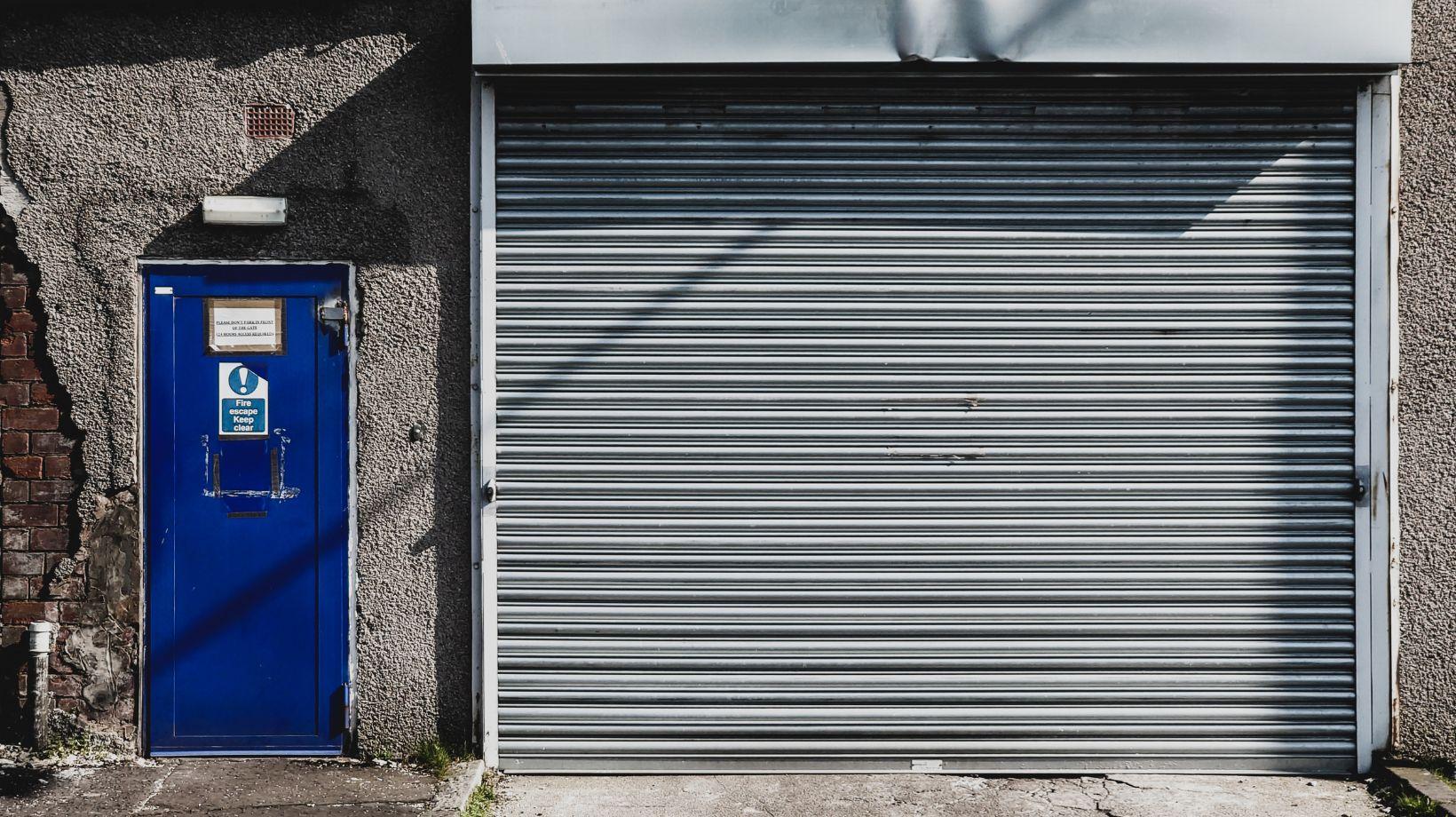

It's 6:40 on a Tuesday. Two staff are standing in the lot with coffees, a delivery truck is idling at the curb, and the shutter over the bay is stuck at knee height. Someone is already on the phone to a repair outfit that can't get there before noon.
Nobody saw it coming, which is the strange part, because the door had been saying so for months. It hesitated on the way up. It groaned near the top. Everyone learned to work around it. That is almost always how overhead and roll-up doors fail: quietly, over a long stretch, and then all at once at the worst possible hour.
A Door Is a Machine, Not a Panel
Most people judge a door by the part they can see. The slats, the colour, whether it still looks decent from the street. That's the part least likely to strand you.
What actually moves the door is everything behind it. The barrel, the counterbalance, the guides the curtain rides in, the motor, and the limit switches that tell the motor where to stop. Those components have duty cycles and predictable wear patterns. The curtain mostly just hangs there.
So when a door starts binding, it's rarely the slats. Guides get knocked a few millimetres out of plumb by a delivery truck backing in. A bearing dries out. A limit switch drifts and the operator starts driving the curtain slightly past its stop, every cycle, for a year. None of that announces itself.
Cycles Matter More Than Years
A homeowner's garage door might run four to six cycles a day. A busy loading dock can pass that before nine in the morning. Ask an experienced installer what they need to know before quoting service and "how many times a day does it run?" comes well before "how old is it?" Age is a proxy. Cycles are the real measurement.
This is also why a spec that's generous for a house is marginal for a shop. The same operator rated comfortably for a residential laneway gate can be working near its limit on a storefront that opens and closes for staff, deliveries and cleaners a dozen times a day. Undersizing the motor is the most common way a commercial door ends up on a repair schedule instead of a maintenance one.
Downtime Is the Number That Hurts
The repair invoice is the small figure. The expensive part is two hours of idle labour, a missed delivery window, customers who saw a closed bay and went elsewhere, and, if the door is a rated assembly or the only secure closure on the opening, the fact that you may not be able to operate at all until it's fixed.
Run that arithmetic once and scheduled service usually justifies itself. A technician who lubricates the bearings, checks curtain tension, re-plumbs the guides and cycles the limits twice a year is cheap next to one unplanned Tuesday.
Security Isn’t Something You Bolt On Afterward
There's a second reason the closing half of the cycle deserves attention. Breaking and entering is still the most severe property crime tracked in this country. According to Statistics Canada, it accounted for 13 per cent of the national Crime Severity Index in 2024, more than any other violation, across roughly 121,000 reported incidents.
The rate fell 11 per cent that year, which is genuinely good news. It also doesn't help much if you're the storefront that gets picked. A physical closure that comes down reliably, seats properly in its guides and can't be levered at the bottom rail does more practical work than most alarm systems, because it removes the opportunity instead of reporting on it afterward.
Worth remembering when somebody proposes saving money on guide rails or the bottom bar. Those are the components an intruder actually engages with.
The Attached Garage Problem
On the residential side the question changes shape. An attached garage shares at least one wall with heated living space, and the door is the largest uncontrolled opening in that whole assembly. Natural Resources Canada calls air leakage control the single most important retrofit activity in a house, and a door that no longer seals at the jambs and threshold quietly undoes a lot of careful work elsewhere.
Insulated slats help. Sealing helps more. A well-fitted curtain with intact brush seals and a bottom gasket that still meets the slab will outperform a thicker door hanging slightly crooked. Check the seal before you shop for an insulation figure.
Cold Is Its Own Failure Mode
Ontario winters attack doors in a specific, repeatable way. Meltwater runs to the threshold, freezes overnight, and the door bonds itself to the slab. The operator then tries to lift something that isn't going anywhere. Bottom bars bend, chains stretch, motors trip their overload, and the service call lands on the coldest morning of the month.
Keeping the threshold clear and properly drained is unglamorous and prevents an expensive class of failure. So does rinsing road salt out of the guides, because salt works on fasteners faster than most owners expect.
Buy the Assembly, Not the Door
Aluminum roll-up doors and shutters have become the default on tight urban sites, since they coil into a small headroom envelope and need no swing clearance at all. Specialists such as ROLLerUP manufacture to the opening rather than adapting a stock size, which matters on older Toronto buildings where almost nothing is square.
Whichever route you take, put your attention on the parts that move. The curtain is what people notice. The operator, the counterbalance and the guides are what decide whether you're open on time in February.