6 Things Your Feet Need to Properly Support Your Arches

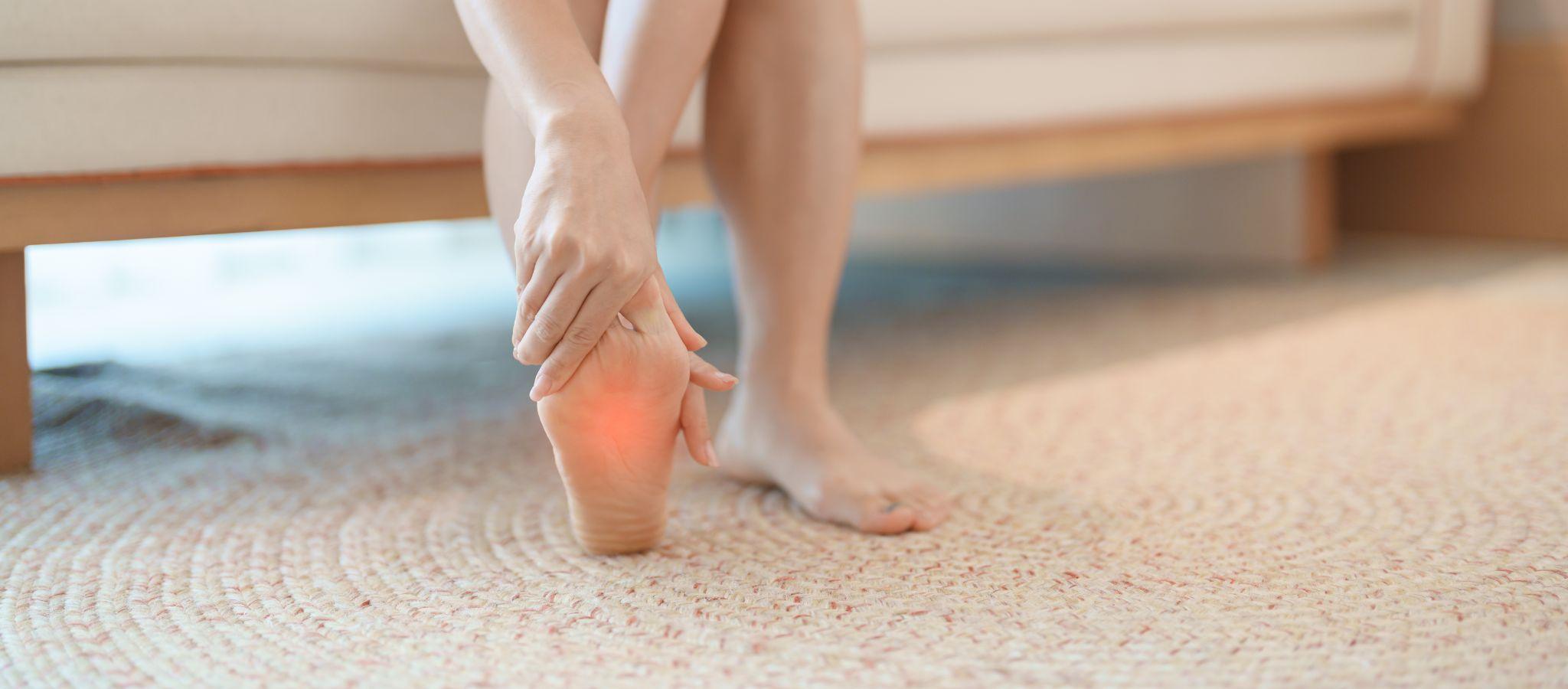

We don’t pay attention to our feet until they start bothering us. Maybe it’s the achy feeling after standing all day, fatigue that shouldn’t be so bad, or the stabbing sensation behind your heel every time you take a morning step. Maybe it’s chronic problems like poor posture or plantar fasciitis that gradually begin to creep into daily life.
When something starts to hurt, our first reaction is often shoes. Different shoes, more padding. Something that promises “better support,” whatever that means. Footwear can play a big role, sure, but it’s only one piece of the puzzle. Our feet actually do a lot more work than we give them credit for, and they require more than just footwear to function properly.
Arch support is about more than what’s going under your foot. A complex interplay of strength, flexibility, dynamic motion, natural cushioning, and footwear determines how well your arches bear pressure. Lean too far towards one side, and you may start to feel pain.
Let’s break down six essential things your feet need to properly support your arches and keep them functioning at their best:
Consistent Support Prevents Overworking the Feet
Women’s sandals with arch support have become increasingly popular because many people are realizing just how much strain unsupportive footwear can place on the feet over time. Soft padded soles without support may feel nice in the short term, but they require your arches, heels, and surrounding muscles to do more work while you are moving about your day. Eventually, that extra work can lead to tiredness and soreness as well as a lack of stability and pain that radiates up from your feet.
Your feet take the brunt of the impact every time you move. Whether you’re walking to class, standing all day at your job, going to the gym, or simply moving from place to place, your feet never truly rest. Without support from your shoes, your muscles and connective tissues have to work overtime to keep your arch stabilized. That’s why many experience sore feet or tired legs by the end of the day if they are wearing shoes without support.
Not only does every person have different support needs, but different situations call for different levels of support. Someone who is standing or walking for hours at a time on hard surfaces will have different footwear requirements than someone who is wearing sandals all day for short intervals. Active lifestyles can also cause repeated stress to your feet that needs better shock absorption and arch support.
Some people find that a supportive shoe is all they need to feel more comfortable and stable. Others may need custom orthotics or over-the-counter arch supports to help evenly distribute the pressure placed on your feet. Everybody’s support needs are different, but having support will help reduce tiredness in your feet and allow for healthier movement.
Proper Cushioning Helps Absorb Everyday Impact
Whether you’re walking through shopping centers or malls, standing at work or sitting at your desk job, working out at the gym, getting your daily commute, or spending hours cooking around the house, your feet take repetitive impact with every step you take. Though your body is made to move, day after day your feet can begin to feel tired, weary, and overloaded without enough cushioning to help support them.
Support and cushioning are two different things that people often confuse. While support helps keep your feet steady and aligned (think about arch support and heel stability), cushioning helps soften the blow and minimize pressure that passes through your feet when you move. Both are important when it comes to finding comfortability, though if you’re on your feet for most of the day, your feet will likely thank you for investing in something with plenty of cushion.
Cushioning can help prevent extra pressure on your heels, balls of your feet, arches, ankles, knees and even lower back. Walking or standing for long periods of time on hard surfaces like concrete, tiles or pavement can cause more impact because there is no cushioning underneath your feet.
Look for shoes that have both adequate cushion and support to help keep your body comfortable when you’re on your feet. Too much cushioning without enough support can cause your feet to feel wobbly, while shoes with little to no cushioning can often cause extra pressure on your feet. Find a happy medium that works for you and your body.
Strong Foot Muscles Help Hold the Arch Naturally
When it comes to arch support, many assume this is something that can only come from shoes or orthotics. The feet are naturally supportive of the arches as well. Muscles, tendons and ligaments within the foot work together to stabilize the body’s movement, absorb pressure and help distribute weight while walking, running and standing. Functioning as they should allow the arches to deal with everyday motions more easily.
If your foot muscles are weak, they can sometimes play a role in creating fatigue, discomfort, instability or excess strain through your arches and heels. You may find your feet feel tired after standing too long or become sore after walks or exercising. Weakness can also occur higher up the chain. If your calves, hips, and core are weak, it can impact the way pressure distributes through your feet when you move.
That’s why many fitness professionals encourage exercises that strengthen your entire body rather than focusing on one particular area. Doing a well-rounded bodyweight workout that incorporates balance, mobility, and lower-body strengthening can help you build stability and improve how you control movement from the ground up. Moves like calf raises, single-leg balances, going barefoot on softer surfaces, and practising slow controlled bodyweight movements can help activate the muscles that support your feet naturally.
Even just a few simple daily habits can boost your foot health. Spend less time in restrictive footwear, keep active, stretch tight muscles, and focus on the quality of your movement. Shoes matter, but strong foot muscles are often key in helping your arches handle stress better.
Good Toe Function Creates Better Balance and Stability
Our toes do more than keep us from tipping over. They assist in weight distribution, balance, movement stabilization, and accommodating changes in terrain while walking or standing. Each step you take uses your toes to generate forward momentum (push-off) and stability through your arches and ankles. When the toes are unable to move as they should, other compensations can occur up through the foot.
If the toes aren’t providing balance and push-off as they should, the arches and ankles will often compensate to offer support. Because the big toe bears a significant amount of weight while standing, balanced weight distribution through the toes can also affect overall stability. Weakness or restrictions in the toes can cause the foot to shift excess pressure to other areas like the arches, ankles, and knees. Changing your posture to compensate for weak or unhealthy toes can also lead to problems up the kinetic chain, like in your hips and spine.
Giving the toes more freedom throughout the day may promote healthier feet. Wearing shoes with room in the toe box and performing toe mobility exercises can be beneficial. This can include stretches, standing on one foot, or going barefoot while walking on different surfaces.
Healthy Ankle Mobility Reduces Pressure on the Arches
Your ankles help your body absorb motion and pressure throughout your feet. Proper ankle mobility will allow your body to move fluidly as you walk, run, squat, and stand. Healthy ankles allow your feet to absorb shock and adjust to various surfaces without overloading the arches of your feet.
Stiff ankles can lead to increased pressure throughout your feet. When ankles lack mobility, your feet may overpronate by dropping or rolling inward to balance yourself. Your gait, or the way you walk, can change as you search for stability with stiff ankles. All of these compensations can overload your arches, heels, calves, and knees.
Some common signs of limited ankle mobility are stiffness when you walk, loss of balance, and foot pain after standing or sitting for long periods. Sometimes the body compensates slowly over time that you do not notice the differences in how you move. However, some signs can become noticeable after running or standing for too long.

Mobility is important because your body absorbs force by moving. When your ankles are stiff, force can go up through your feet with each step you take. Activities like running or standing all day are usually when you feel little signs of ankle stiffness.
Rest and Recovery Matter More Than Most People Think
Our feet need time to recover because the muscles and connective tissues can become overused from repeated activity. Without allowing for recovery time, those tissues can become irritated or inflamed which can lead to chronic pain and movement dysfunction down the road. This can be seen frequently in individuals who stand for long periods of time on hard surfaces or engage in high-impact activity without proper rest.
The good news is that incorporating simple recovery practices can make a big difference in your foot health. Stretching your calves and feet can help release tension that has accumulated throughout the day. Massages can help promote blood flow and loosen any knots that have formed from overuse. Rolling out your feet on a massage ball or wearing shoes that provide adequate support can also be beneficial.
Rest days don’t always have to be 100% sitting around and doing nothing. For most people, adding in mobility exercises, stretching, footwear with appropriate support, and taking time to recover can help your feet better cope with daily stress. It’s also important to listen to your body and catch these problems early on before they develop into chronic foot issues.
Small Daily Habits Can Make a Big Difference Over Time
Foot health isn’t always determined by one event. Instead, foot pain and subtle symptoms are often caused by tiny habits you repeat daily. Your gait, footwear choices, how much time you spend standing, and even how quickly you respond to discomfort can impact how your arches and surrounding muscles tolerate stress over time. Your feet might get sore after a lengthy day, but the persistent stress from daily life, alongside poor habits, can gradually lead to their detriment.
When your go-to sneakers start to feel flat, it can be tempting to reach for them day after day. However, sticking to the same pair day in and day out can make them wear down unevenly, making them feel even more flattened if they weren’t very cushioned to begin with. Switching up which supportive shoes you wear lets their materials rest and rebound between uses, potentially altering how your feet bear weight across the week. Swap out sneakers often if you’re on your feet walking or standing all day long.
Your gait matters, too. How you walk and carry your body affects how force is distributed through your feet. Someone who favors one side over the other, compensates for joint pain while walking, or has poor posture may unknowingly place more stress on their arches. Eventually, those movement patterns can lead to feelings of fatigue, soreness, or instability that become harder to ignore over time.
Simple habits like replacing worn footwear, stretching regularly, staying active, improving posture, and allowing proper recovery can all contribute to healthier foot function over time. These types of lifestyle habits maintain long-term vitality not only in the feet, but throughout the entire body by supporting better movement, balance, and physical comfort during everyday life.
Looking After Your Feet Now Can Prevent Bigger Problems Later
Little foot discomforts can really creep up on you, so addressing them early on makes a surprisingly big difference. Tightness, discomfort, or fatigue that you learn to ignore early on can become chronic conditions that influence the way you walk, stand, or feel overall throughout your day.
Fortunately for you, the health of your feet usually doesn’t rely on one quick fix. Your foot health is really built on the habits you develop each day, like the footwear you select, your movement patterns, your recovery methods, and the support you offer your feet. When these factors are addressed, there’s less stress on your arches and your feet are more equipped to manage your daily load.
Addressing these issues earlier can help you avoid developing chronic pain down the road. Oftentimes, it’s not about doing more things but doing more of the right things.