
What to Consider When Creating a Pet-Safe Backyard

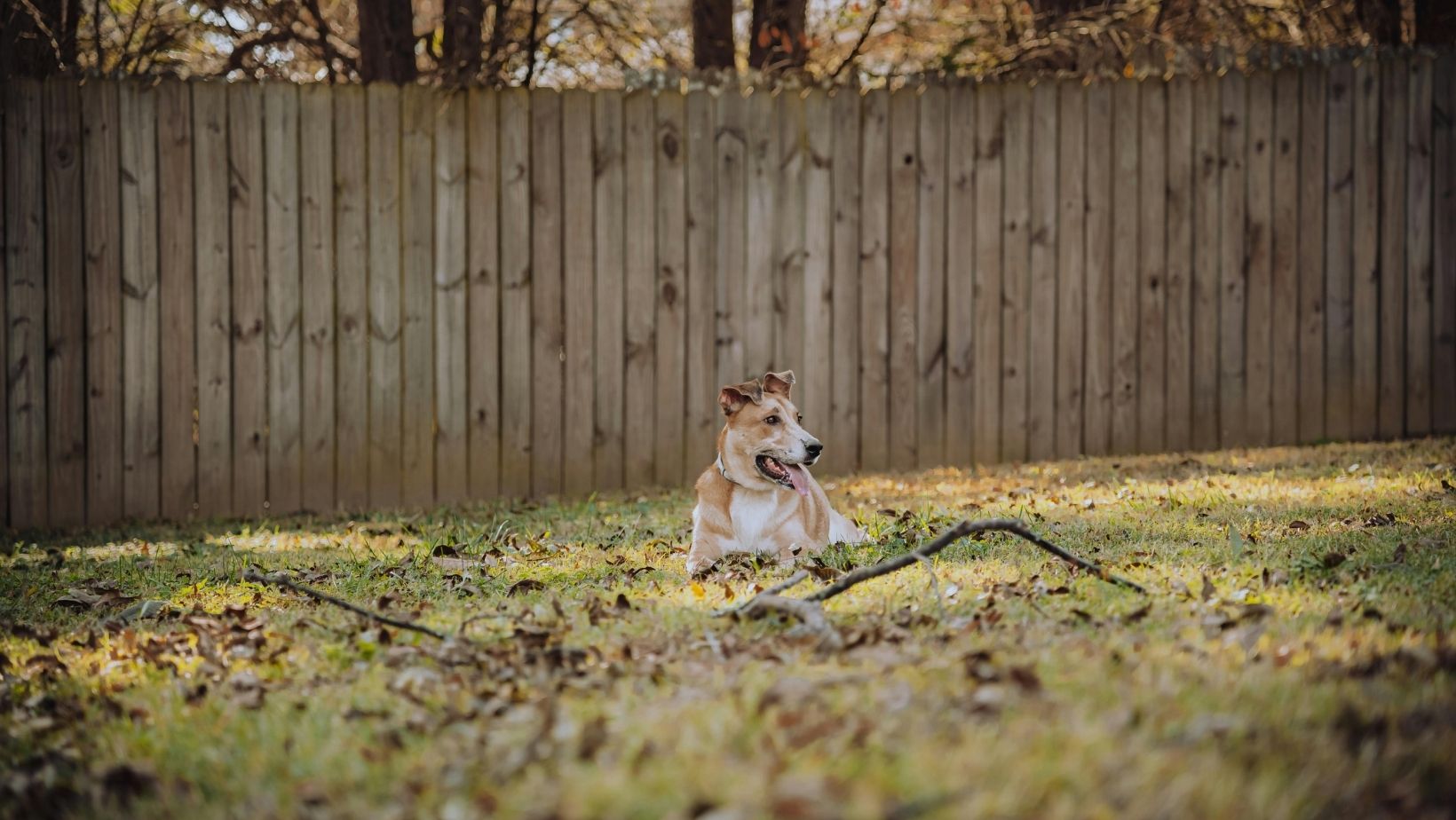

The backyard is vital for pet owners. When the weather is bad or your pet cannot be taken for walks, a yard is their only opportunity at exploring the outside world. This means you need to ensure it is fun and – most importantly – safe. An unsafe yard could result in expensive vet bills and an unwell animal.
And maybe you want your backyard to look good, too – and why shouldn’t it? There are pet-friendly materials and products that help you do that. Whether you want gorgeous plants or a well-maintained lawn, there is a lot to consider. Using pet turf is a good start. If you find yourself wondering what is pet turf?, then some research is definitely needed.
But, to get you off on the right foot, three main considerations have been listed below. Following this advice will ensure your pets are kept safe and sound in your backyard.
Secure the Boundary
Pets are unpredictable at times. They like to explore. They’re adventurous and curious, especially in a new environment; they might wander off. Such incidents result in attempted escapes. Whether these escapes are accidental or intentional, a gap in a fence or open gate is enough for animals to get through unsupervised. Unfortunately, pets become lost or injured during this.
Not only that, but the world outside your yard might be dangerous. Pets will be penned in away from hazards, like toxic plants and harmful chemicals. But specific hazards are also kept out. Other animals – neighbor’s pets, stray dogs, and even wildlife – will be unable to enter the area.
There are multiple ways to secure the boundaries of your yard. Begin with a fence that is high enough – six feet is ideal, although it might need to be higher for some breeds. Gaps should be covered, using a double-slatted fence, for example. If your dog digs, then you need to bury mesh or chicken wire at the fence’s base, too.
Choose Pet-Friendly Plants
Although there might be hazardous plants outside your yard, there shouldn’t be any on the inside. Pets, especially dogs, are curious creatures, and many will try to eat what they shouldn’t. Accidental poisoning, skin irritation, and other health issues could occur because of this. Even touching toxic flora could result in these problems!
Common plants to avoid include autumn crocus, oleander, rhododendron, and sago palm. If you have a cat, then lilies also join this list. Easter, Japanese, and Tiger lilies, particularly. Cats are most at risk of lilies, but they are also mildly toxic to dogs.
Fortunately, there are safe options. Think of herbs like basil, cat grass, and rosemary, flowers like marigolds and sunflowers, and vegetables like carrots. Safe plants create an enriched environment. Of course, you might need to think about how robust your plants are – after all, they might take a bit of a beating from overzealous pets.

Offer a Designated Digging Patch
A pet-safe yard needs to be fun. Not just for you, the homeowner, but the pets, too. Find out what interests your pets. If you’ve got a dog, then a digging patch would be a hit. Designated digging patches satisfy dogs’ natural and instinctual urges. Such a patch would offer an acceptable place to dig and destroy, protecting the rest of your backyard.
Of course, this is even more important if you don’t want your lawn ruined. Some lawn materials need to be well-maintained, and frequent digging will hinder that. As previously mentioned, if you have pet turf, then digging should be avoided. With a designated digging area, you will have a better chance at this.
Digging patches don’t need to be complex. Simply bordering off an area of your yard with trellis or shrubs is enough. Maybe even a sandpit. The training is what really matters. Your dog must be taught to only dig in this area.
To conclude, having a pet-safe yard is one of the responsibilities of being a pet owner. Sure, you need to keep them fed, watered, and exercised, but the environment you do all of this in is also essential. It must be safe for them. Using the tips outlined above will help you achieve that.