
Can Red Light Therapy Help With Gout? What the Research Says and How to Use It

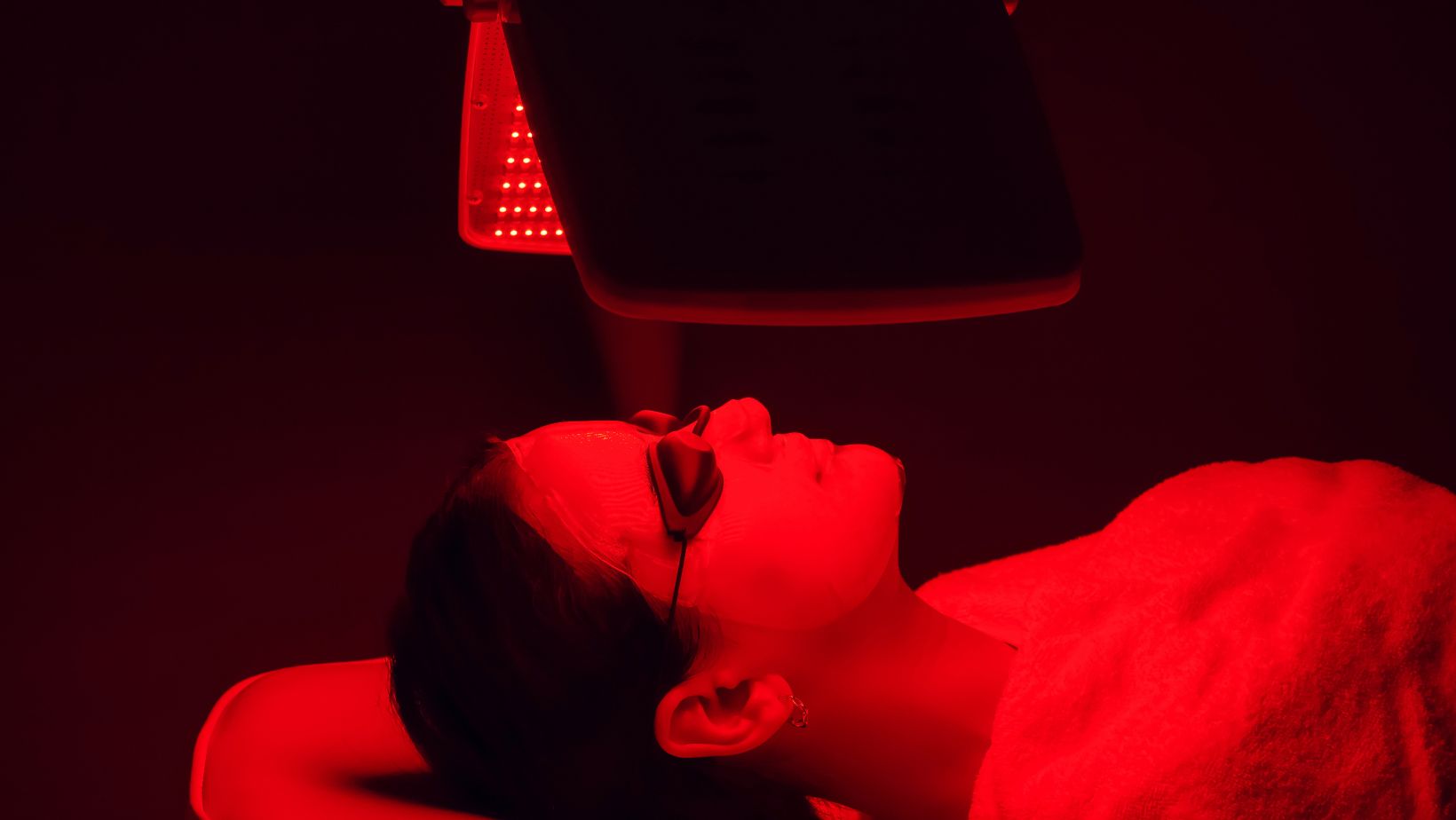

Gout is one of the most painful conditions a person can experience. The sudden onset of intense joint pain, swelling, redness, and heat, most commonly in the big toe but capable of affecting knees, ankles, wrists, and elbows, can be completely debilitating. For the millions of people who manage gout on an ongoing basis, finding approaches that help reduce both the frequency of flares and the severity of symptoms is an ongoing priority.
One approach that has been generating increasing interest is red light therapy. StreamShop Australia has published a detailed resource on red light therapy for gout covering the mechanisms, the evidence, and how to approach treatment at home. For those who want to explore this further with a dedicated device, their range of red light therapy panel australia options includes both targeted and full-body systems that are well-suited to the joint-focused treatment protocols most relevant to gout management.
Understanding Gout: A Brief Overview
Gout is a form of inflammatory arthritis caused by elevated levels of uric acid in the blood, a condition known as hyperuricaemia. When uric acid accumulates beyond what the kidneys can efficiently process, it forms monosodium urate crystals that deposit in joint spaces and surrounding tissue. These crystals trigger an intense inflammatory response from the immune system, producing the characteristic pain, swelling, and heat of a gout attack.
Gout attacks often strike suddenly, frequently overnight, and can last anywhere from a few days to several weeks if untreated. Over time, recurrent attacks can cause permanent joint damage and the formation of tophi, which are visible deposits of urate crystals beneath the skin.
Standard medical management of gout typically involves uric acid-lowering medications such as allopurinol, anti-inflammatory drugs during acute flares, dietary modifications to reduce purine intake, and increased hydration. These approaches are effective for many people but do not always provide complete relief, particularly for the pain and inflammation component during and after an acute attack.
How Red Light Therapy May Help With Gout
Red light therapy, also known as photobiomodulation, works by delivering specific wavelengths of red and near-infrared light to the tissue being treated. These wavelengths are absorbed by mitochondrial photoreceptors, stimulating increased ATP production, reduced oxidative stress, and a modulation of the inflammatory response at the cellular level.
For gout specifically, several mechanisms are of particular interest:
- Anti-inflammatory effects: Photobiomodulation has been consistently shown in research to reduce levels of pro-inflammatory cytokines, including IL-1 beta and TNF-alpha, which are among the key drivers of the inflammatory cascade in gout attacks. By modulating this response at the cellular level, red light therapy may help reduce the severity and duration of inflammation during a flare.
- Pain relief: The analgesic effects of red light therapy are well-documented across multiple types of pain, including joint pain and neuropathic pain. The mechanisms include both the reduction of inflammation and a direct effect on pain-signalling pathways, including the modulation of substance P and other nociceptive mediators.
- Improved circulation: Near-infrared light in particular has been shown to improve microvascular circulation in treated tissue. For gout sufferers, improved blood flow to an affected joint may support the clearance of inflammatory mediators and urate crystals from the joint space over time.
- Tissue repair: Repeated gout attacks cause cumulative damage to joint tissue and cartilage. The tissue-regenerative effects of photobiomodulation, including stimulation of fibroblast activity and collagen synthesis, may support the repair of this damage between flares.
What Does the Research Actually Show?

Research specifically on red light therapy for gout is still emerging, but the broader evidence base for photobiomodulation in inflammatory arthritis is encouraging. Several studies have examined the use of low-level laser therapy in rheumatoid arthritis and osteoarthritis, two conditions that share some inflammatory mechanisms with gout, and found meaningful improvements in pain, joint function, and morning stiffness.
A 2000 Cochrane review of low-level laser therapy for rheumatoid arthritis found statistically significant reductions in pain and morning stiffness compared to placebo, with no adverse effects reported. While rheumatoid arthritis and gout are distinct conditions, the shared inflammatory mechanisms make these findings relevant to the gout context.
A study published in Photomedicine and Laser Surgery examined the effects of low-level laser therapy on uric acid levels in an animal model and found that treated subjects showed lower serum uric acid levels compared to controls. This raises the possibility that photobiomodulation may influence uric acid metabolism directly, though human clinical trials specifically on this question are still needed.
More broadly, the anti-inflammatory and analgesic effects of red and near-infrared light are among the most replicated findings in the photobiomodulation literature, and these effects are directly relevant to the management of gout symptoms regardless of any specific effect on uric acid levels.
How to Use Red Light Therapy for Gout at Home
If you are considering red light therapy as a complementary approach to managing gout, here is how to approach it practically:
- During an acute flare: Apply red and near-infrared light directly to the affected joint. Use a handheld device or a panel positioned at the recommended distance of 15 to 25cm from the joint. Sessions of 10 to 15 minutes once or twice daily during the acute phase may help reduce inflammation and ease pain. Avoid applying pressure to the joint during treatment.
- Between flares: Consistent use of red light therapy in the days and weeks between acute attacks may help maintain lower levels of background inflammation in the joint and support ongoing tissue repair. Three to five sessions per week at the affected joint or joints is a reasonable maintenance protocol.
- Wavelength selection: For gout, near-infrared wavelengths of 810 to 850nm are particularly relevant given their ability to penetrate deeply into joint tissue. A combination device that also offers 630 to 660nm red light will address both surface inflammation and deeper tissue simultaneously.
- Device format: For joints like the big toe, ankle, or knee, a handheld device or a flexible wrap gives the most precise coverage. For those with gout affecting multiple joints or larger areas, a panel device offers broader coverage and more efficient treatment time.
Important Considerations
Red light therapy is best approached as a complementary tool alongside your existing medical management of gout, not as a replacement for it. Uric acid-lowering medications, dietary changes, and adequate hydration remain the foundation of long-term gout management, and any approach to the condition should be discussed with a healthcare professional, particularly if you are already taking medications.

It is also worth noting that during an acute gout attack, the affected joint is extremely sensitive. Even gentle contact can be excruciating. The non-contact nature of red light therapy is one of its practical advantages in this context: the device does not need to touch the skin to be effective, and treatment can be delivered without disturbing the joint.
Red light therapy does not cure gout and does not address the underlying cause of elevated uric acid. What it offers is a safe, non-invasive tool for managing inflammation and pain, and potentially supporting the long-term health of affected joints.
Choosing a Device for Joint Treatment
For gout-focused treatment, the most important device characteristics are:
- Near-infrared output: Confirm the device includes 810nm or 850nm wavelengths, not just visible red light, as near-infrared is essential for reaching joint tissue at depth.
- Sufficient irradiance: A device delivering at least 50 to 100mW/cm2 at the treatment surface will provide therapeutically relevant dosing within a reasonable session length.
- Format suited to the joint: For small joints such as the toe or finger, a handheld or wrap device is more practical than a large panel. For larger joints such as the knee or shoulder, a panel or larger wrap device will provide better coverage.
- Quality and certification: Look for FDA-cleared or TGA-approved devices, particularly if you are using the device for a specific therapeutic purpose.
The Bottom Line
Red light therapy is not a cure for gout, but the evidence for its anti-inflammatory and analgesic effects is substantial, and the mechanisms by which it works are directly relevant to the way gout affects joint tissue. For people managing gout alongside conventional treatment, it represents a safe, non-invasive, and increasingly accessible complementary tool.
The key is choosing a quality device, using it consistently as part of a broader gout management approach, and maintaining realistic expectations about what it can and cannot do. Used correctly, red light therapy can meaningfully support pain relief and inflammation management during and between flares, and potentially contribute to the long-term health of joints that have been repeatedly affected by urate crystal deposition.
As with any health decision, speak with your doctor or rheumatologist before incorporating red light therapy into your gout management plan, particularly if your condition is being managed with prescription medication.