
How to Spot Hidden Dry Rot in Your Deck Before It Becomes a Safety Hazard

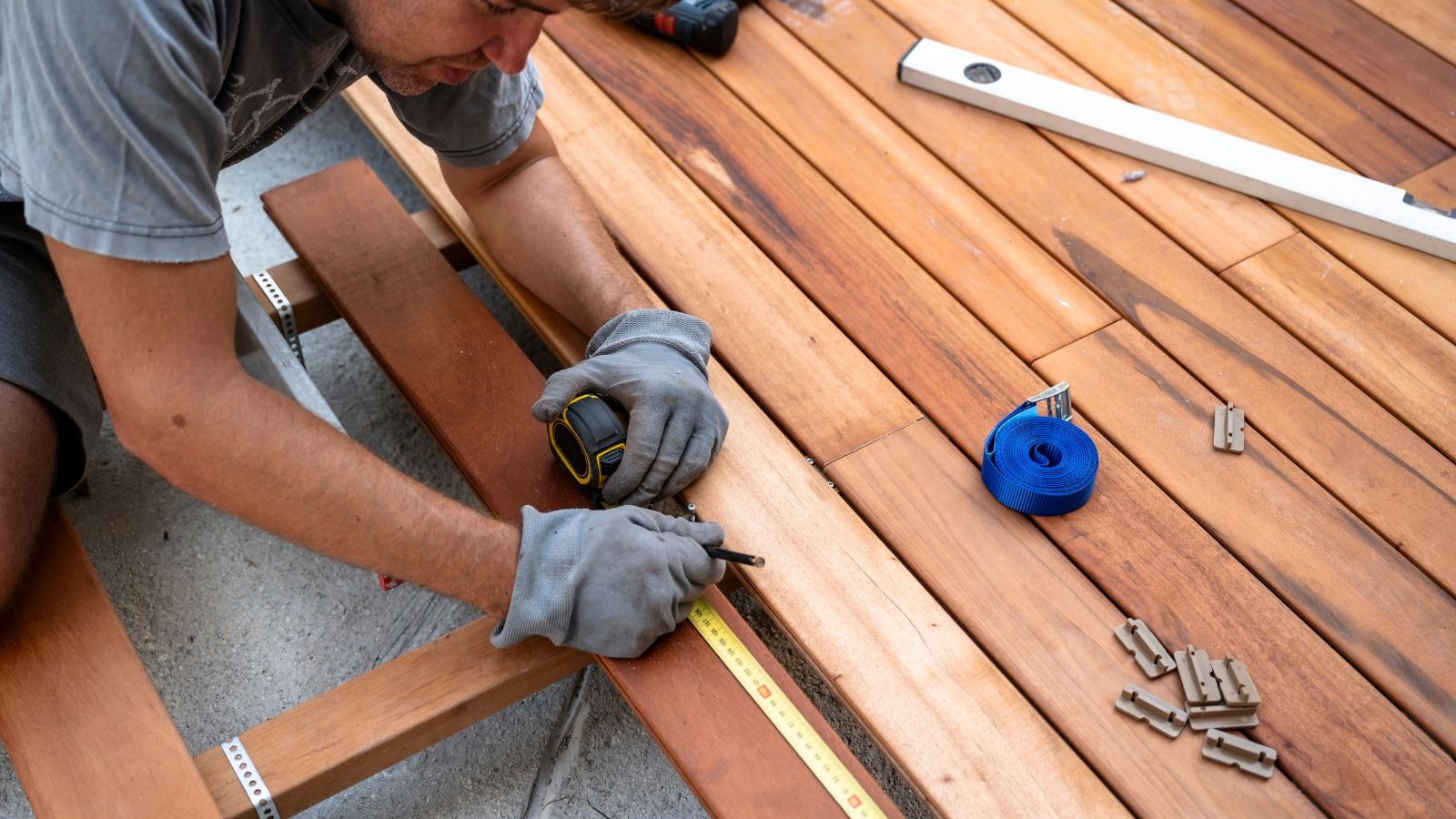

A deck is more than just a place to relax; it’s an extension of your home and a key factor in your property’s safety and value. Yet, many homeowners overlook one of the most insidious threats to their outdoor spaces: dry rot. While visible damage is obvious, the real danger often hides beneath the surface, silently weakening your deck’s structure. Recognizing early signs of dry rot can save both money and potential accidents.
Understanding Dry Rot and Its Risks
Dry rot is a fungal decay that attacks the wood’s structure, causing it to become brittle, soft, and crumbly. Unlike moisture-related staining or superficial damage, dry rot compromises the wood’s integrity, making decks prone to collapse if left untreated. In Seattle and other damp climates, dry rot is particularly common due to persistent moisture exposure.
Homeowners searching for Seattle dry rot repair can access expert guidance on inspecting, preventing, and addressing damage. Learning to detect warning signs early can prevent costly repairs and enhance long-term safety. Dry rot typically begins in hidden areas, such as under deck boards, around posts, or near water contact points like planters or gutters.
Early Warning Signs of Dry Rot
Spotting dry rot before it spreads requires attention to both subtle and obvious indicators. First, check for discoloration: affected wood may appear darker or unusually pale compared to surrounding areas. Small cracks, splits, or a dry, brittle texture can also signal early rot. When pressed, rotting wood often crumbles into powder or flakes.
Another telltale sign is the presence of fungal growth, which can appear as white, gray, or yellowish patches on or near the wood surface. Musty odors emanating from the deck or enclosed areas underneath are often overlooked but can indicate decay hidden from view.
Structural changes are also important clues. Wobbly boards, sagging sections, or loose railings may indicate the wood’s internal integrity is compromised. Inspecting joints and posts where the deck meets the house is critical, as these areas are prone to moisture accumulation.
Practical Steps for Homeowners
Once you suspect dry rot, action should be prompt. Begin by clearing debris from the deck surface and gaps between boards to improve airflow and prevent moisture retention. While DIY inspections are useful, consulting a professional for a thorough assessment ensures no hidden damage is overlooked.
For routine maintenance, sealing your deck annually and keeping water away from wood contact points can dramatically reduce the risk of rot. Ensure gutters are functioning properly, and avoid placing planters directly on wood surfaces. Even small preventive measures can extend the life of your deck significantly.
When to Call a Professional
Some homeowners attempt to address dry rot with quick fixes like sanding, patching, or surface treatments. While these methods may improve appearance temporarily, they often fail to address the underlying decay. Professional services like iGotRot provide complete restoration, including removal of damaged wood, structural reinforcement, and protective treatments to prevent future rot.
Experts can identify hidden rot in crawl spaces, post footings, and under deck boards—areas difficult for a typical homeowner to inspect. They also provide guidance on long-term maintenance, helping your deck remain safe and attractive for years to come.
Cost Considerations and Decision Making
Understanding the potential costs of dry rot repair helps homeowners make informed decisions. While immediate DIY fixes may seem cheaper, untreated rot often spreads, leading to more extensive and expensive interventions. Investing in a professional assessment early on prevents structural failure and preserves your home’s value.
Additionally, using the right materials for replacement or reinforcement, such as
![energy-efficient windows, upgrade to energy-efficient windows, benefits of energy-efficient windows, energy-efficient window installation, energy-saving windows, windows energy efficiency benefits, best energy-efficient windows, energy-efficient window replacement, energy-efficient windows near me, energy-efficient windows [location]](https://whatutalkingboutwillis.com/wp-content/uploads/2026/04/airtable_69e63f71bacbf-1.jpg)
pressure-treated lumber or composite boards, can reduce recurring issues. Professionals can advise on the best approach for each deck based on age, exposure, and construction type.
Maintaining a Safe, Long-Lasting Deck
Regular inspections, prompt attention to signs of decay, and proper water management are the pillars of a safe deck. Educating yourself on the signs of dry rot empowers you to take preventive action before minor issues escalate into serious hazards.
For Seattle homeowners facing dry rot, expert guidance ensures that decks remain both beautiful and structurally sound. Whether it’s a subtle discoloration, a soft spot underfoot, or a
faint musty odor, addressing these issues promptly keeps your outdoor space safe for family and friends.
If you’re unsure about the condition of your deck or suspect hidden damage, scheduling an evaluation with professionals specializing in Seattle dry rot repair, like iGotRot, can provide peace of mind and expert solutions tailored to your home.