
A Complete Guide to Pruning and Trimming Trees

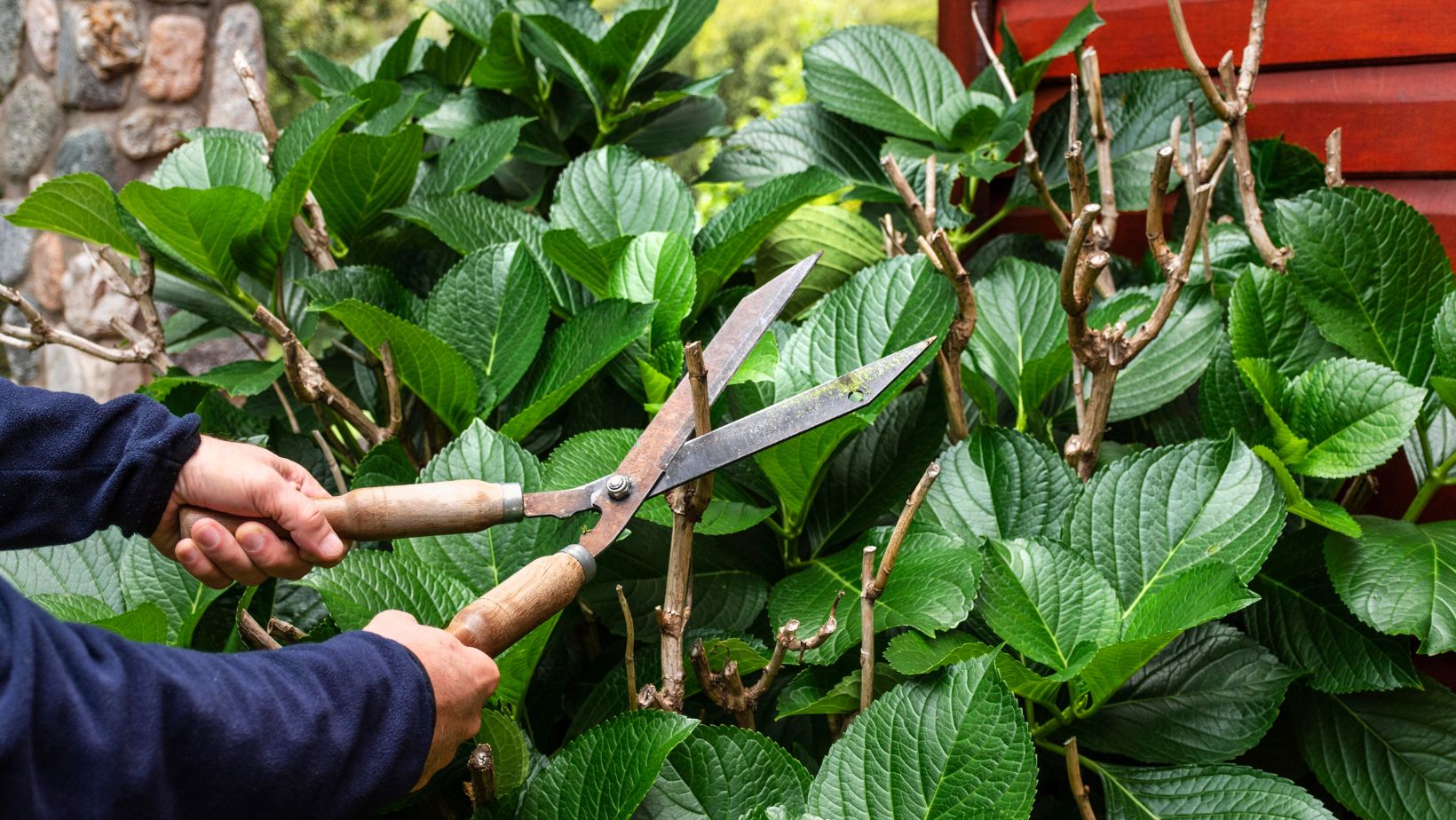

A well-kept tree is a real joy. It offers shade, beauty, and structure to your yard. But when a tree is left to grow wild, it can become a risk. Pruning and trimming are vital to ensure safety. When done right, they boost a tree’s health, shape, and safety. But when done wrong, they can cause harm that lasts for years.
In this article, we will discuss in detail the best time to prune, what to remove, and how to stay safe while you work. Let’s turn this daunting task into a simple and smart routine.
When to Prune Trees?
The best time for pruning most trees is late winter. This is when they are dormant. With no leaves, you can see the branch structure clearly. Moreover, cuts made at this time heal fast as spring growth starts. It also lowers the risk of disease spread, as many pests and fungi are inactive.
However, some trees are exceptions. Spring bloomers, like dogwoods, are best pruned right after their flowers fade. And for fruit trees, summer cuts can help control growth. You should never prune in early fall, as new cuts may not harden before frost. To prune trees, you should have sharp and reliable tools. For a precise job, you must consider buying chainsaws from Sydney Tools. They offer the best tools for pruning trees.
What to Cut?
Pruning is not about making just random cuts. You must know what to remove. Start with the rule of three D’s, which states to cut the dead, diseased, and damaged limbs. They drain the tree and are a risk to you.

After cutting these, you must look for limbs that cross or rub, as these cause wounds that let in pests. Additionally, you must pay attention to weed control, as it is essential for the safety of your plants.
Essential Safety Tips
Many risks are associated with tree pruning. Falling branches, sharp tools, and unstable footing can lead to harm. So do not rush and follow these rules to protect yourself and your property.

- Use the Right Tools
You must match the tool to the branch you want to. Use hand shears for small twigs and loppers for limbs up to two inches thick. However, for bigger ones, use a sharp pruning saw. You must keep all blades clean and sharp. Otherwise, a dull tool will make you work hard and give rough cuts that heal slowly.
- Wear Proper Protective Equipment
You must wear safe glasses to guard your eyes from falling bits. Also, do not forget strong gloves to keep your hands safe from cuts and sap. Additionally, a hard hat is vital if you work under heavy limbs. In case you use a chainsaw for pruning, wear chaps, ear guards, and a face shield. Strong boots with a good grip are also a must.
- Cut Above Buds
When you cut a branch back to a bud, you must make your cut at a slight angle, just above a bud that faces the way you want new growth to go. Do not cut too close to the bud, or it may die. Also, do not leave a long stub, as it will rot and let in disease.
What's Your Reaction?