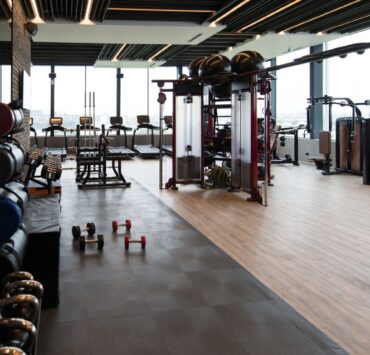
Home Hyperbaric Chambers: The Ultimate Recovery Investment for Serious Athletes

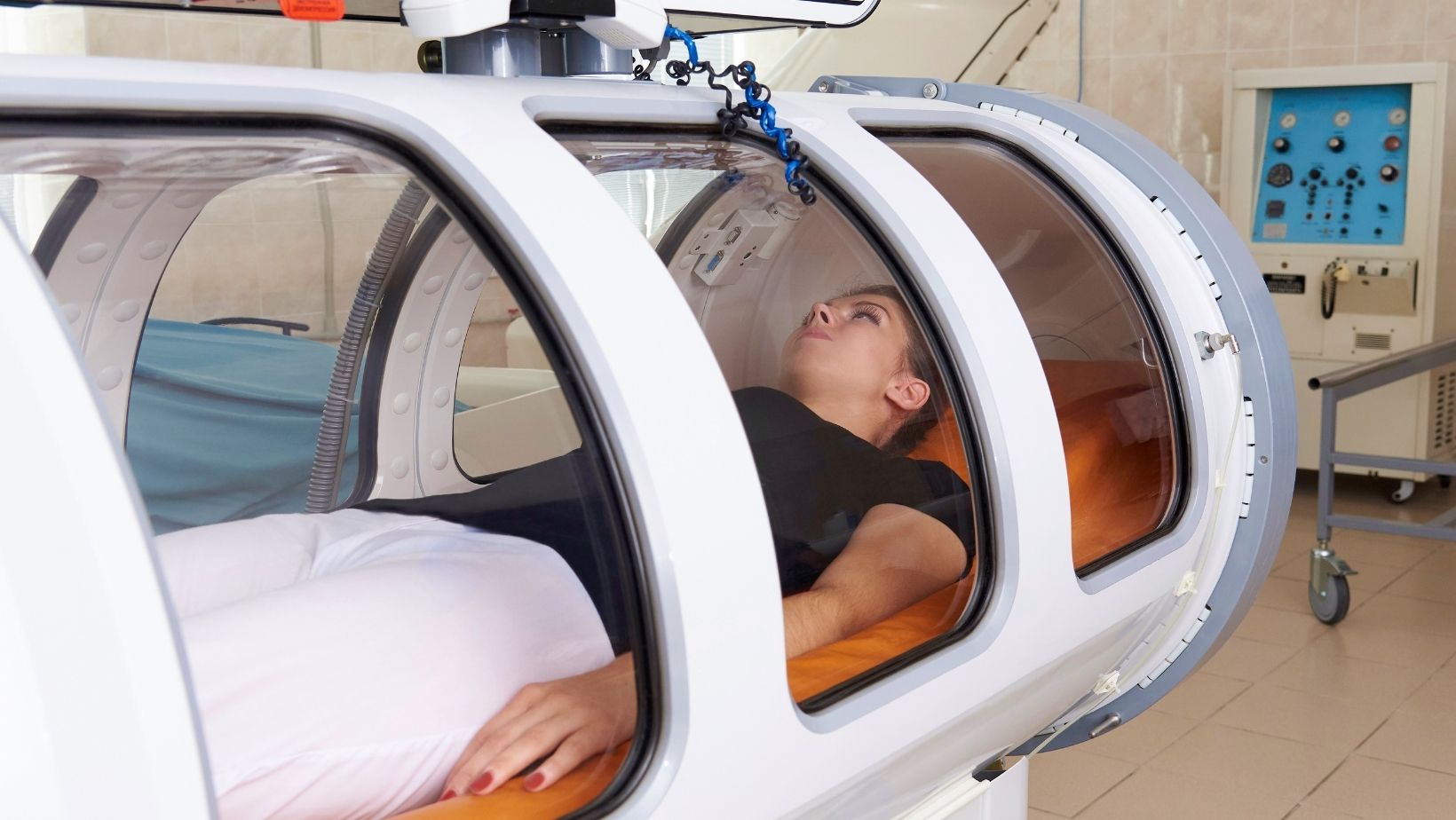

The democratization of hyperbaric oxygen therapy has revolutionized athletic recovery, with home hyperbaric chambers now offering professional-grade therapeutic benefits at a fraction of traditional costs. What was once exclusive to elite professional teams and medical facilities is now accessible to dedicated athletes committed to optimizing their recovery and performance.
The Evolution of Hyperbaric Technology
Recent advances in chamber design, pressure systems, and safety features have made home hyperbaric units both affordable and user-friendly. Modern chambers utilize aerospace-grade materials and sophisticated pressure regulation systems that deliver consistent therapeutic environments without requiring medical supervision. The technology has matured to the point where home units rival the effectiveness of clinical systems for athletic recovery applications.
Why Athletes Choose Hyperbaric Recovery
The decision to invest in hyperbaric oxygen therapy equipment stems from its unmatched ability to accelerate recovery at the cellular level. Unlike surface-level recovery tools, HBOT works systemically – enhancing oxygen delivery to every tissue in the body, promoting stem cell mobilization, and activating genetic pathways associated with healing and adaptation. Professional athletes who’ve adopted HBOT report being able to maintain training intensities that would be unsustainable without this recovery support.
Cost-Benefit Analysis
While home hyperbaric chambers represent a significant upfront investment ($15,000-$40,000 depending on features), the long-term value proposition is compelling for serious athletes. Clinical HBOT sessions cost $200-400 per treatment, meaning a home unit pays for itself within 50-100 sessions.
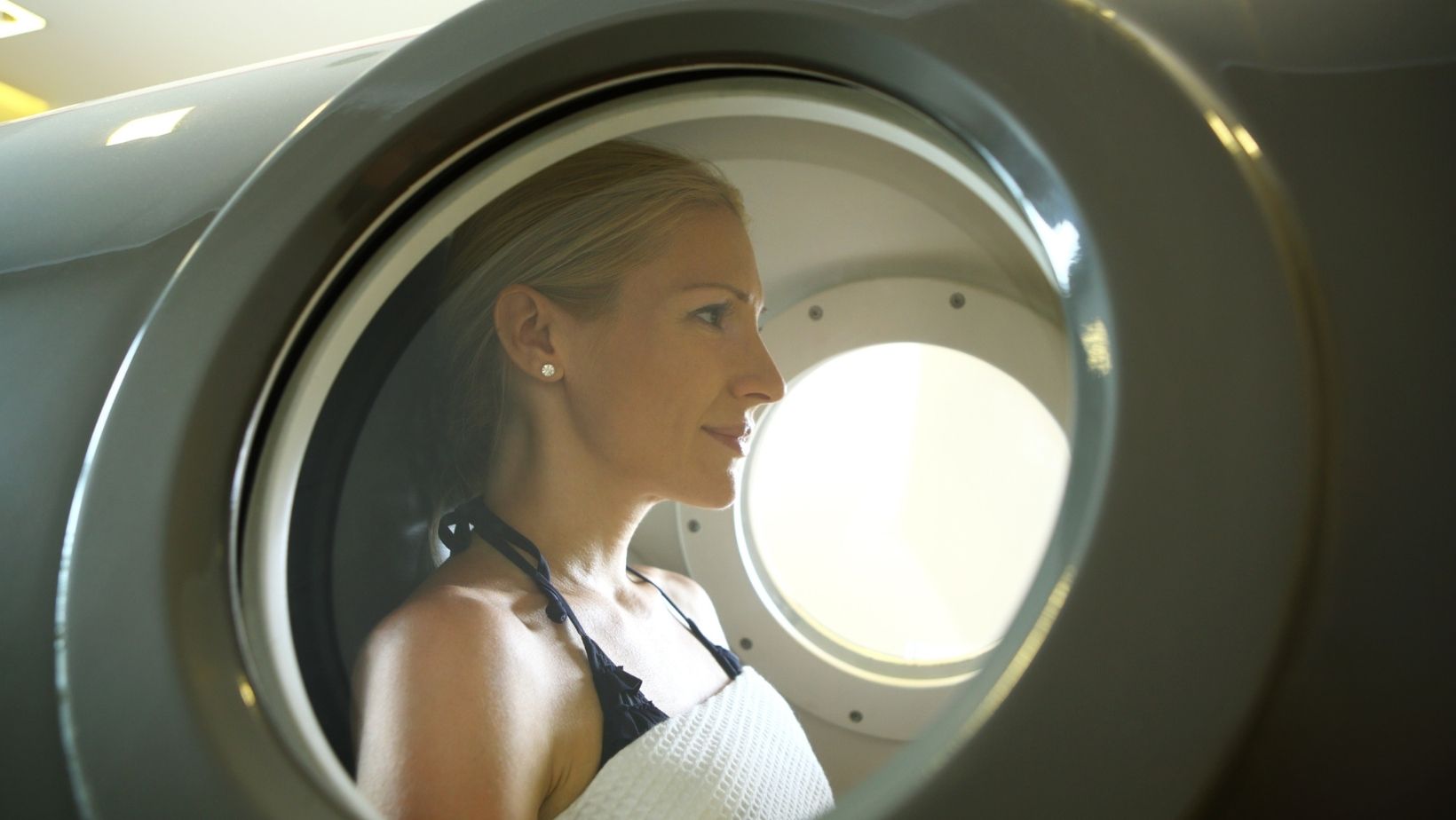
Athletes training 5-6 days per week can recoup their investment within 12-18 months while gaining unlimited access to recovery on their schedule. According to Forbes Health, the home hyperbaric market has grown 300% over the past five years as athletes recognize the performance ROI.
Choosing the Right Chamber
Key considerations include chamber pressure capabilities (measured in ATA), interior dimensions, portability, and ease of operation. Soft-sided chambers offer portability and lower costs, while hard-shell chambers provide higher pressure capabilities and more spacious interiors. Most athletes find 1.5-2.0 ATA chambers sufficient for recovery purposes, though competitive athletes often prefer 2.0+ ATA units for maximum therapeutic effect. The Consumer Reports medical equipment guide recommends prioritizing pressure range and build quality over luxury features when selecting athletic recovery chambers.
Real-World Results from Athletes
Professional athletes across multiple sports credit hyperbaric therapy with extending their careers and enabling training volumes that would otherwise lead to overtraining or injury. UFC fighters report healing from training injuries 40-50% faster, marathon runners maintain higher weekly mileage without breakdown, and team sport athletes recover between games more completely. The psychological confidence that comes from knowing you can recover effectively also enhances training quality and competitive performance.
Integration into Training Programs
Optimal implementation involves using hyperbaric therapy strategically throughout training cycles – increasing frequency during high-volume training blocks and competition phases while reducing during rest periods. Many athletes use HBOT preventatively, conducting 2-3 sessions weekly even when not injured to maintain tissue health and recovery capacity. This proactive approach prevents the cumulative fatigue that often leads to injury or performance decline.
Getting Started
Begin with education – understand chamber operation, pressure protocols, and safety procedures before making a purchase. Most reputable manufacturers provide comprehensive training and ongoing support. Start conservatively with lower pressures and shorter sessions (45-60 minutes at 1.5 ATA) and gradually progress to longer sessions at higher pressures as your body adapts. Track recovery metrics including heart rate variability, subjective soreness, and training performance to quantify the benefits you’re receiving.
What's Your Reaction?