
Modern Parenting Safety: What Helps When You Can’t Be There



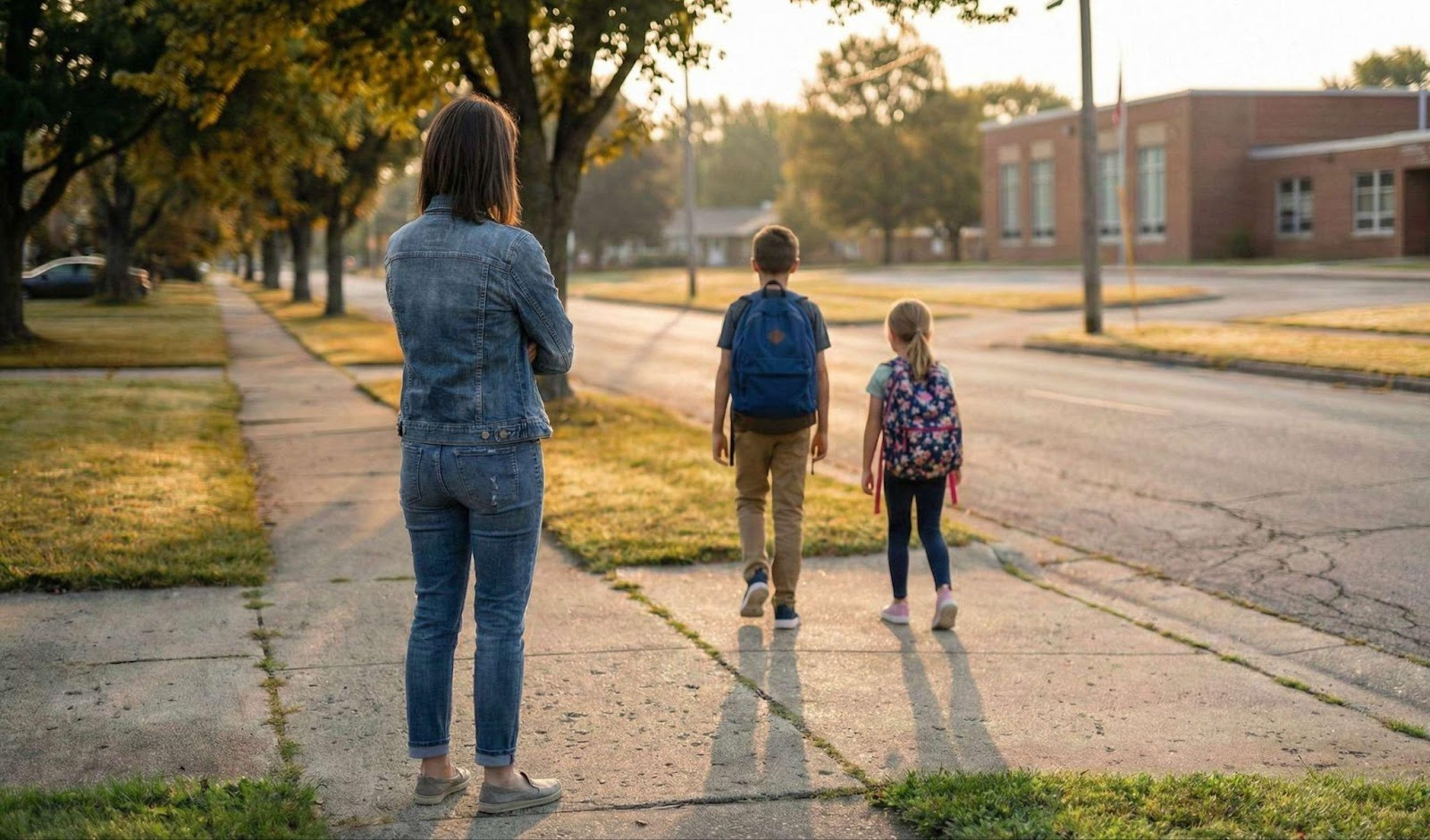
There is a moment most parents remember clearly. The first time your child walks to an activity alone. The first after-school club where pickup feels late. The first time they ask to stay out a little longer than you expected. These milestones are exciting, but they also come with a quiet shift many parents feel but rarely talk about. You are proud of their independence, yet your mind fills in the gaps when you are not there.
Modern parenting asks us to loosen our grip earlier than previous generations did. Safety today is less about standing close and more about putting the right supports in place.
This article is not about fear or control. It is about practical ways parents help their kids grow while still sleeping at night, even when they cannot physically be there.
Why “Being There” Looks Different in Modern Parenting
Parenting today feels fuller and more layered than it once did. Family life has expanded beyond the home, and kids are stepping into independence earlier than many parents expected. Being present still matters, but it shows up in more practical and flexible ways.
- Busier schedules shape family life: Between school, activities, work commitments, and social plans, days are tightly packed. Parents often manage overlapping schedules, which makes constant physical presence unrealistic, even when safety remains a top priority.
- More activities encourage earlier independence: Sports, clubs, and time with friends help children build confidence and responsibility. These experiences require kids to navigate short periods on their own, which is a natural and healthy part of growing up.
- Safety goes beyond hovering nearby: Watching every move does not prepare kids for real situations. Safety now means knowing plans, understanding routines, and being reachable when something changes.
- Backup plans create calm: Clear check-in expectations, trusted adults, and agreed next steps help families handle delays or surprises without panic.
- Preparation replaces fear: When safety is built around readiness and communication, children feel capable and parents feel more comfortable stepping back.
Everyday Situations Parents Worry About Most
Certain moments tend to sit in the back of a parent’s mind, not because something is wrong, but because these situations involve new variables and less direct oversight. These worries are common and understandable.
- After-school activities and late pickups: Practices run long, buses are delayed, and schedules shift at the last minute. Parents often worry about kids waiting alone, moving between buildings, or not knowing who to contact if plans change unexpectedly.
- Walking home or biking with friends: Short trips feel manageable until routes change or groups split up. Parents may wonder if their child took the usual path, arrived safely, or knew what to do if something felt off along the way.
- Group outings, sports events, and field trips: Crowded places introduce unfamiliar environments and busy schedules. Parents trust the adults in charge, but it is still natural to think about how kids navigate large groups or unexpected changes.
- Sleepovers and unfamiliar neighborhoods: New homes come with different routines and surroundings. Parents often worry about comfort, communication, and whether their child feels confident asking for help if needed.
- First steps toward independence for tweens and teens: These moments carry pride and uncertainty at the same time. As kids manage their own plans, parents adjust to offering guidance instead of direct oversight.
None of these worries mean a parent lacks trust. They reflect care during a period of change.
The Non-Negotiables: Safety Habits That Still Matter Most
No matter how much parenting changes, some safety habits remain essential. These practices form the foundation that helps children feel secure and capable, even as they gain more independence. Tools and systems can support families, but they never replace these basics.
- Clear communication rules: Kids should know when and how to communicate changes in plans. Simple expectations around calling or texting help avoid confusion and reduce stress for everyone.
- Check-in expectations: Agreeing on when to check in builds consistency. Whether it is after arriving somewhere or before heading home, these small touchpoints create reassurance without feeling restrictive.
- Knowing who kids are with: Understanding who your child is spending time with and who is supervising matters. This is not about control, but about awareness and trust within a wider circle of care.
- Teaching situational awareness: Helping kids notice their surroundings, listen to their instincts, and recognize when something feels off gives them confidence to make smart choices.
- Emergency basics: Children should know who to call, where to go, and what steps to take if plans change or they need help unexpectedly.
These habits reinforce that safety comes from preparation and guidance. Parenting remains the most important tool of all.
When Extra Support Makes Sense and Why It’s Not Overprotective
There are moments in parenting when extra support feels appropriate, even for families that value independence. Transition periods are often the biggest trigger. A new school, a new routine, or a change in schedule can leave both parents and kids adjusting at the same time. During these phases, having a little extra awareness can ease that adjustment.
Crowded places and travel bring similar feelings. Airports, theme parks, tournaments, and busy events add unfamiliar environments and moving parts. Parents are not expecting problems, but they want a way to respond calmly if plans shift or someone gets separated.
Teens starting to drive or commute on their own is another common point where parents look for temporary support. These early experiences come with learning curves, and having a backup option can make those first steps feel more manageable.
Families juggling multiple kids often feel this need most. When attention is divided, tools that quietly support routines can reduce stress.
Used thoughtfully, personal GPS trackers fit here as a quiet backup. It acts as a safety net rather than a surveillance tool. Many parents use it situationally or for a short period, then step back once confidence grows.
How Families Use Location Tools Without Breaking Trust?
For many families, trust starts with honesty. When parents are open about why they are using location tools, kids are less likely to feel watched and more likely to feel supported. Clear conversations early on help everyone understand that safety tools exist to help, not to control behavior.

Setting boundaries and expectations is just as important. Families often agree on when a tool is used and when it is not. Some limit use to specific situations like travel, new routines, or after-school transitions. Others treat location tools as something to check only if plans change or communication breaks down. These boundaries help prevent tools from becoming a source of tension.
Using location tools for safety rather than punishment makes a meaningful difference. When kids know the purpose is to step in only if something goes wrong, they are more likely to accept the support. It also keeps conversations focused on problem-solving instead of discipline.
Many parents describe location tools as a bridge rather than a permanent solution. Options like child or teen GPS tracking, are often used during transitional stages. As routines settle and confidence grows, families naturally rely on communication and trust instead of technology.
Other Safety Supports Parents Rely On
- Neighbor networks: Trusted neighbors provide familiarity and extra awareness, especially when kids are outside playing or walking home. Knowing nearby adults can step in if needed adds a quiet layer of reassurance.
- School communication apps: These apps keep parents informed about schedule changes, delays, or events. They reduce last-minute confusion and help families adjust plans calmly.
- Group texts: Group messages work well for carpools, activities, and quick updates. They make it easier to coordinate pickups or confirm plans without multiple calls.
- Shared calendars: A shared family calendar helps everyone stay on the same page, especially in households with multiple kids and busy schedules.
- Routine planning: Reviewing plans ahead of time sets clear expectations. Simple routines help kids feel prepared and give parents confidence when plans change.
What Changes as Kids Get Older
- Safety shifts from protection to trust: As children grow, safety becomes less about constant oversight and more about mutual trust. Parents begin relying on conversations, expectations, and judgment rather than close supervision.
- Parents step back gradually: Independence usually increases in stages. Parents loosen boundaries a little at a time, allowing kids to make decisions while staying available when guidance is needed.
- Tools and routines evolve: What once felt necessary may become optional. Check-ins become less frequent, routines adjust, and support tools are used only when situations call for them.
- Confidence replaces control: The goal is not to manage every detail, but to raise kids who feel capable and prepared. When parents focus on confidence, children learn to navigate independence with responsibility and self-assurance.
Conclusion: Parenting Isn’t About Control. It’s About Confidence.
Every parent worries. That never fully goes away. What changes is how we respond to that worry. Modern parenting safety is not about controlling every outcome. It is about building confidence through preparation, communication, and support.
When kids know what to do, who to call, and how to navigate the world around them, parents gain something just as important. Trust. Not blind trust, but earned confidence built through small, thoughtful steps. You are not failing by letting go. You are teaching your kids how to stand on their own, with support ready when it is truly needed.